Dermatosis papulosa nigra (DPN) removal: Q&A with dermatologist Dr Dray
TL;DR
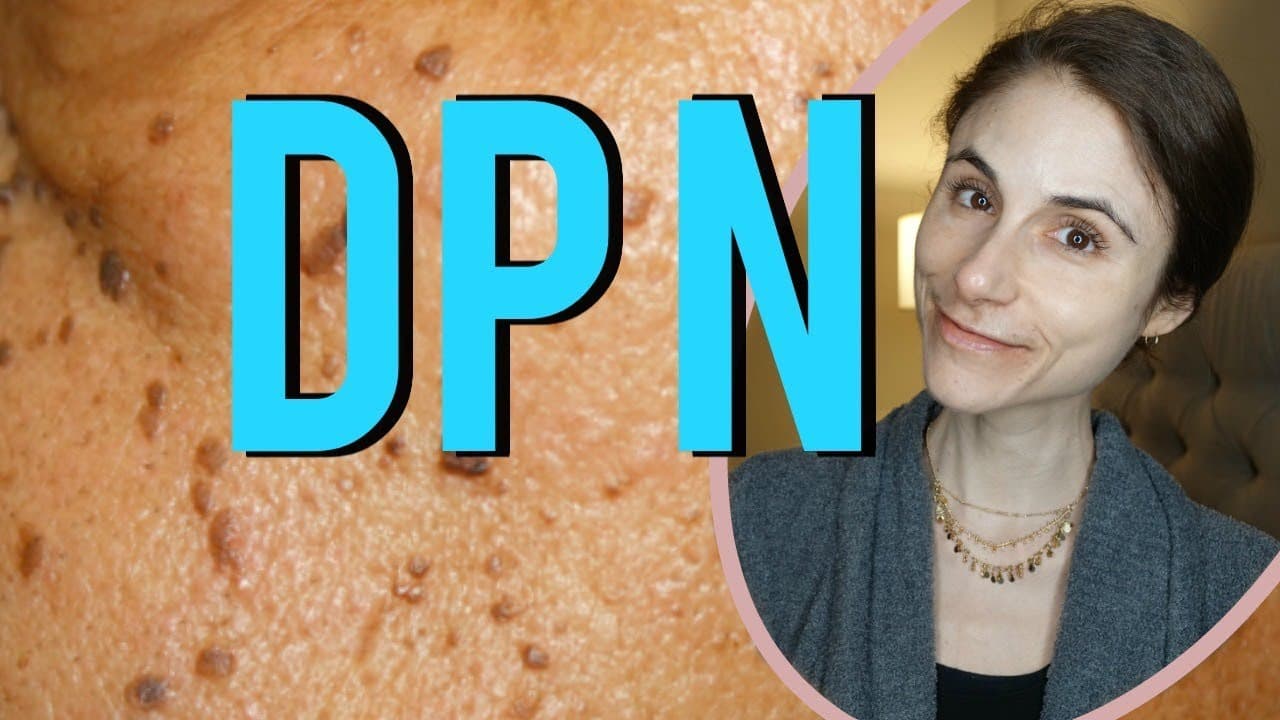
Dermatosis papulosa nigra (DPN) can be removed only through procedures performed by a dermatologist, but treatment cannot prevent new growths. These benign brown-to-black spots commonly appear on the face and may also affect the neck, back, or body. Options include snip excision, shaving, freezing, electrodessication, microdermabrasion, and laser resurfacing, with pigment changes and scarring among the concerns. Read on to compare treatments, limitations, and costs.
Transcript
well hey guys welcome back to the Friday QA so as you can tell from the title and thumbnail of today's video I'm going to be talking about a skin condition that I get many questions on and that is Dermot OSes papule OSA our DP ends if you're not familiar with DP ends I will attempt to insert a photo here of what they typically look like these are s... Read More
Key Insights
- ◾ DPNs are benign skin growths that appear as small brown to black spots on the face, neck, and body.
- 💨 They are not dangerous or cancerous, but they do not go away on their own.
- 🖤 DPNs are more common in black and Asian individuals and tend to be a cosmetic concern.
- 😱 There is no known cause for DPNs, and no creams or remedies can effectively treat or prevent them.
- 🥶 Procedural-based treatments, such as excision, shaving, freezing, electro desiccation, microdermabrasion, and laser resurfacing, can be used to remove DPNs.
- 🧑🏭 The choice of treatment depends on factors such as the individual's preferences, skin type, budget, and the number of DPNs.
- 📔 Insurance typically does not cover the cost of DPN removal procedures, as they are considered cosmetic issues.
Install to Summarize YouTube Videos and Get Transcripts
Explore YouTube Video Summarizer or Get YouTube Transcript Extractor
Questions & Answers
Q: How can dermatosis papulosa nigra (DPN) be removed?
DPN removal requires a procedure performed by a dermatologist; creams, masks, peels, and pills cannot remove the growths. Options include snip excision, shaving, freezing with liquid nitrogen, electrodessication, microdermabrasion, and laser resurfacing.
Q: What is dermatosis papulosa nigra?
DPN consists of small, soft, brown-to-black growths on the top layer of the skin. They commonly occur around the cheekbones, eyes, and other facial areas, although they may also appear on the neck, back, and body.
Q: Are DPN growths dangerous or cancerous?
DPN growths are completely benign and do not become skin cancer. They are also not associated with an internal medical problem or underlying health issue.
Q: What causes DPN, and can new growths be prevented?
The cause and triggers of DPN are unknown. No treatment, pill, or cream can prevent additional growths, even after the existing ones are removed.
Q: Who is most commonly affected by DPN?
DPN occurs most frequently in Black people, including African Americans and Afro-Caribbeans, and can also affect people of Asian ethnicities. It is very uncommon in Caucasian skin types and tends to be more prominent in women than men.
Q: Do DPN growths disappear on their own?
No, DPN growths do not go away or spontaneously regress. They may first appear shortly after puberty, increase in number with age, and become larger over time.
Q: Can DPN be removed at home with creams or apple cider vinegar?
No cream, prescription treatment, peel, or mask can remove DPN, and the dermatologist cautions against online remedies such as burning the growths with apple cider vinegar. Attempting removal at home can cause post-inflammatory hyperpigmentation or scarring.
Q: Does insurance cover DPN removal?
Insurance typically does not cover DPN removal because it is considered a cosmetic procedure. Patients generally need to pay for treatment out of pocket, so cost may influence which removal method they choose.
Summary & Key Takeaways
-
DPNs are small brown to black spots that commonly appear on the face and can also occur on the neck and body.
-
They are similar to seborrheic keratoses, another benign skin condition, and are more common in black and Asian individuals.
-
DPNs are not dangerous but do not go away on their own and require procedural treatment to remove.
Read in Other Languages (beta)
Share This Summary 📚
Summarize YouTube Videos and Get Video Transcripts with 1-Click
Try YouTube Summary with ChatGPT & Claude or YouTube Transcript Generator
Explore More Summaries from Dr Dray 📚




Summarize YouTube Videos and Get Video Transcripts with 1-Click
Try YouTube Summary with ChatGPT & Claude or YouTube Transcript Generator