What Are the Key Signs of Adult ADHD in Women?
TL;DR
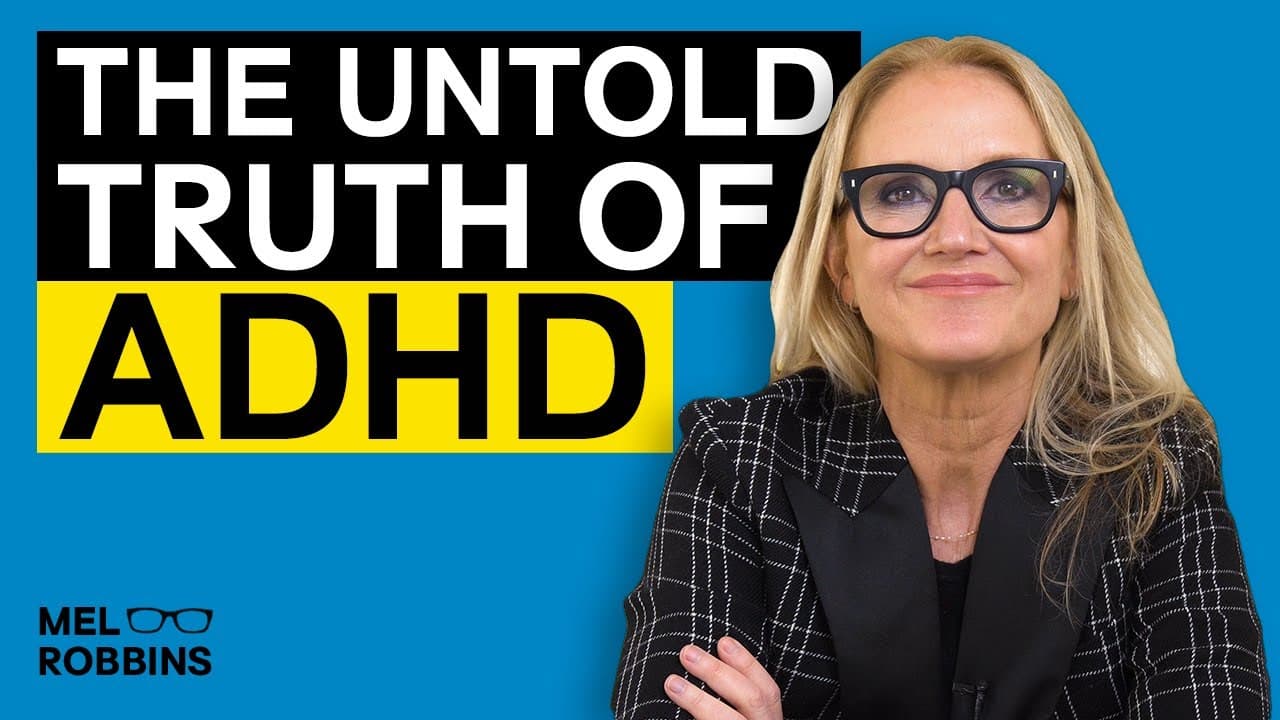
Adult ADHD is marked by the struggle to direct attention rather than an inability to focus. Common signs in women include hyperfocus, emotional dysregulation, impulsive behavior, time blindness, high functionality, and self-criticism. Treatment may involve a combination of medication, therapy, behavioral interventions, and lifestyle changes to improve brain health.
Transcript
today we're talking ADHD in women in particular and in just a second we're going to get to the six surprising signs of adult ADHD but first I really want to dig into what's happening in an ADHD brain and this comes from research from Dr Ned Hollowell it comes from Dr aan I know that huberman lab just did a bunch of podcast episodes on this but this... Read More
Key Insights
- 📁 ADHD is not about the inability to focus, but the struggle to direct attention appropriately.
- 🎮 The prefrontal cortex plays a crucial role in attention control and switching between neural networks.
- 🤦♀️ Women with ADHD often experience internalized symptoms and face unique challenges in diagnosis.
- 🚱 Non-medication interventions, such as therapy, behavioral strategies, and lifestyle changes, can help manage ADHD symptoms.
- 🛟 ADHD is a chronic condition, but proper treatment and support can improve quality of life.
- 🎙️ More videos with Mel Robbins:
Install to Summarize YouTube Videos and Get Transcripts
Explore YouTube Video Summarizer or Get YouTube Transcript Extractor
Questions & Answers
Q: How is ADHD different in women compared to men?
While ADHD affects both genders, it might manifest differently in women. Women with ADHD often exhibit internalized symptoms, such as self-criticism and feelings of inadequacy, while men may display more externalized symptoms, like hyperactivity. This can lead to underdiagnosis or misdiagnosis in women.
Q: What are some non-medication interventions for managing ADHD symptoms?
Non-medication interventions for ADHD include therapy, such as cognitive-behavioral therapy (CBT), to help manage symptoms and develop coping strategies. Behavioral interventions, such as creating structure, setting goals, and using organizational tools, can also be effective. Lifestyle changes, like regular exercise, a healthy diet, and sufficient sleep, can support overall brain health.
Q: Can ADHD be outgrown or cured?
ADHD is a chronic condition that typically persists into adulthood. However, symptoms can be managed and individuals with ADHD can lead successful, fulfilling lives with proper treatment and support. While there is no cure for ADHD, interventions can help individuals cope with symptoms and improve their quality of life.
Q: Are there any natural supplements that can help with ADHD symptoms?
Some individuals with ADHD may find relief from symptoms through the use of natural supplements like omega-3 fatty acids, zinc, iron, magnesium, and vitamin B6. However, it's important to consult with a healthcare professional before starting any new supplements, as their efficacy and safety can vary.
Summary & Key Takeaways
-
ADHD is not about the inability to focus, but the challenge of directing attention appropriately in various settings.
-
The prefrontal cortex plays a crucial role in attention control and switching between neural networks, impacting focus and suppressing distractions.
-
Common signs of adult ADHD in women include hyperfocus, difficulty controlling emotions, impulsive shopping, time blindness, high functionality, and self-criticism.
-
Treatment options for ADHD include medication, therapy, behavioral interventions, and lifestyle changes to support brain health.
Read in Other Languages (beta)
Share This Summary 📚
Summarize YouTube Videos and Get Video Transcripts with 1-Click
Try YouTube Summary with ChatGPT & Claude or YouTube Transcript Generator
Explore More Summaries from Mel Robbins 📚




Summarize YouTube Videos and Get Video Transcripts with 1-Click
Try YouTube Summary with ChatGPT & Claude or YouTube Transcript Generator