How Did Logan Paul's CryptoZoo Project Fail?
TL;DR
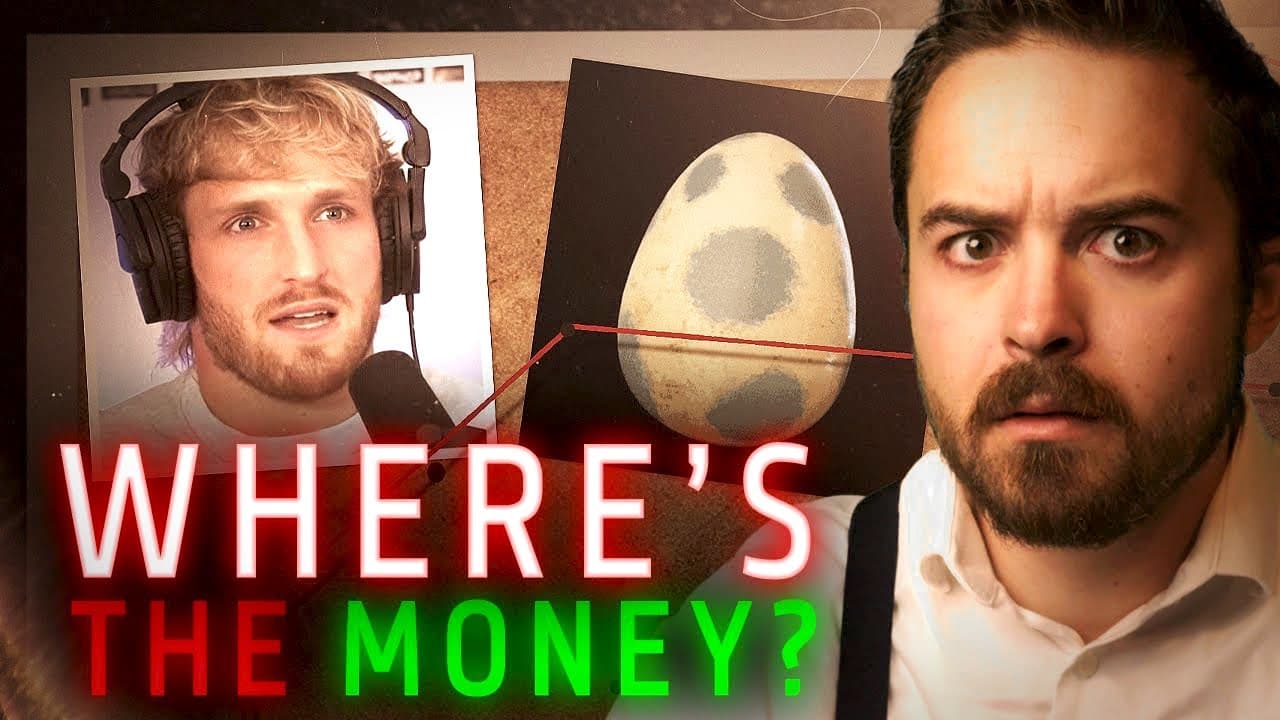
CryptoZoo failed to deliver its advertised core functions: some buyers could not hatch their eggs, and users said their animals never produced claimable earnings. The investigation argues that buyers committed substantial money based on Logan Paul’s promotion, handmade-art claims, and promises of a playable earning ecosystem, even though the game had not launched and remained broken long afterward.
Transcript
cryptozoo dot Co I am so excited about this project it's it's it's so fun it's a really fun game that makes you money a fun game that earns you money how much did you guys make from crypto zoo I lost around fifty thousand dollars in cryptos and I lost forty thousand dollars I lost around 15 000 US dollars I lost twenty five thousand dollars one hun... Read More
Key Insights
- CryptoZoo was marketed as a play-to-earn game where users could buy egg NFTs, hatch animals, breed hybrids, and receive Zoo tokens as a daily yield based on each animal’s rarity.
- Buyer confidence was strongly connected to Logan Paul’s reputation and promotion. Interviewed participants said they viewed his leadership as evidence that the project was trustworthy and believed his claims that he had changed from earlier controversies.
- The game attracted substantial spending before its launch. Buyers purchased 2.5 million dollars worth of eggs on the first day, while the Zoo token reached a two billion dollar market capitalization before the promised game became playable.
- The handmade-art claim was challenged by evidence that the animal images were assembled from Adobe stock photos. This discovery became an early warning sign because handcrafted artwork had been presented as a major distinction between CryptoZoo and competing NFT projects.
- The development-cost claim raised unanswered questions about where project funds went. Logan Paul said the team was out of pocket around a million dollars, but the investigation found stock-based artwork and a smart contract described as a fork of existing code.
- CryptoZoo’s central earning mechanic reportedly did not function at launch. A buyer said animals appeared to show a yield, but the contract provided no working method to claim the Zoo tokens that the animals were supposedly generating.
- Ethereum-funded eggs reportedly had an additional technical failure. Some purchasers said their NFTs did not appear properly on the website, preventing them from hatching the eggs or participating in the ecosystem they believed they had purchased access to.
- The investigation presents CryptoZoo as an unfinished product sold through promises rather than demonstrated functionality. Users described significant losses, while the advertised hatching and claimable-yield features reportedly remained unavailable long after the planned launch.
Install to Summarize YouTube Videos and Get Transcripts
Explore YouTube Video Summarizer or Get YouTube Transcript Extractor
Questions & Answers
Q: How was CryptoZoo supposed to work?
CryptoZoo was supposed to use Zoo tokens as its in-game currency. Players would spend those tokens on egg NFTs, hatch the eggs into animals, and breed pairs of animals to create hybrids. Rarer animals were advertised as producing higher daily Zoo-token yields. Players were then supposed to burn animal NFTs to release their accumulated tokens, which could be reinvested in eggs or cashed out.
Q: Why did people invest in CryptoZoo before it launched?
Buyers were attracted by the promise of handmade artwork, a playable system that could generate earnings, and Logan Paul’s direct involvement. Several interviewed participants said they trusted him or believed he had become a more responsible public figure. Because the game was not yet available, their purchasing decisions depended heavily on promotional claims, anticipated features, and confidence in the project’s leadership.
Q: Did CryptoZoo’s play-to-earn feature work?
According to the users interviewed in the investigation, the advertised earning feature did not work as promised. Animals could appear to generate a Zoo-token yield, but users said there was no functioning method to claim those tokens. Because claimable yield was central to the project’s play-to-earn pitch, this failure meant that the primary advertised financial mechanic was unavailable when buyers expected to use it.
Q: Could CryptoZoo buyers hatch their egg NFTs?
Some buyers reportedly could not hatch their egg NFTs. The investigation specifically describes problems affecting eggs purchased with Ethereum, which did not appear properly when users connected their wallets to the CryptoZoo website. One buyer contacted support and was told the feature was temporarily down, but said it had never been operational for him, leaving the egg as an unusable image.
Q: Was CryptoZoo’s animal artwork handmade?
The investigation disputes the claim that CryptoZoo’s animal artwork was handmade. Logan Paul had emphasized that multiple artists were creating the assets and presented this work as a distinguishing feature. However, the released animal images appeared to combine Adobe stock photos. That discovery became an important warning sign because the project’s marketing had contrasted its supposedly handcrafted assets with randomly generated NFT artwork.
Q: Where did CryptoZoo’s claimed development spending go?
The investigation does not provide a definitive accounting of the claimed development spending. Logan Paul said the team was out of pocket around a million dollars and repeatedly referred to substantial personal investment. However, the investigator found artwork based on stock images and described the smart contract as a fork of existing code, creating questions about which parts of development required the claimed expenditure.
Q: What happened on CryptoZoo’s hatch day?
Hatch day was presented as the moment when CryptoZoo’s promised functionality would become available, and a community manager suggested that conditions would improve afterward. Instead, users reported that essential features failed. The token yield could not be claimed, and some Ethereum-funded eggs could not be hatched. The investigation says these problems persisted long after the planned launch rather than being resolved promptly.
Q: Why does the investigation characterize CryptoZoo as a failed project?
The investigation characterizes CryptoZoo as failed because the product did not provide the core functions used to market it. Buyers were promised hatchable eggs, breedable animals, and claimable token earnings, yet users reported that hatching and yield collection did not work. The concerns were compounded by disputed handmade-art claims, copied smart-contract code, unanswered development-cost questions, and accounts of substantial customer losses.
Summary & Key Takeaways
-
CryptoZoo was promoted as a blockchain game in which players would buy Zoo tokens, purchase and hatch egg NFTs, breed animals, earn additional tokens, and potentially cash out. Logan Paul repeatedly described it as a fun game that could make money, attracting buyers who trusted his public image and involvement.
-
Demand developed before the promised game was available. Buyers purchased millions of dollars in eggs during the initial sale, while the Zoo token’s value and trading activity rose sharply. The investigation emphasizes that customers were purchasing marketing claims and future functionality rather than access to a completed, demonstrably working game.
-
The project’s credibility weakened when its supposedly handmade animal artwork appeared to use combined Adobe stock images and its smart contract appeared to copy existing code. On hatch day, users reported that earnings could not be claimed, while some Ethereum purchasers could not hatch their eggs or use them in the advertised ecosystem.
Read in Other Languages (beta)
Share This Summary 📚
Summarize YouTube Videos and Get Video Transcripts with 1-Click
Try YouTube Summary with ChatGPT & Claude or YouTube Transcript Generator
Explore More Summaries from Coffeezilla 📚





Summarize YouTube Videos and Get Video Transcripts with 1-Click
Try YouTube Summary with ChatGPT & Claude or YouTube Transcript Generator