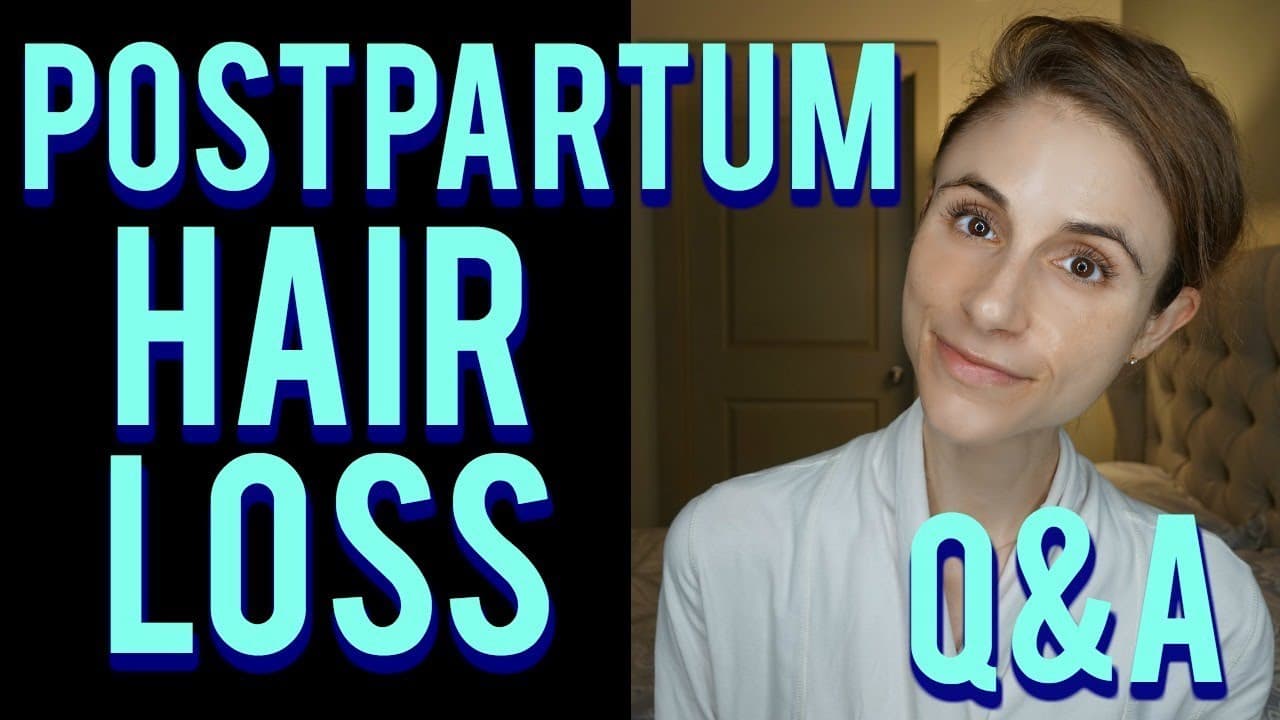
Postpartum Hair Loss Q&A With a Dermatologist: How Long Does It Last and What Hair Care Tips Help?
TL;DR
Postpartum hair loss is generally temporary, does not cause scarring, and usually resolves as the hair returns to full growth and thickness around the child’s first birthday. Shedding often peaks about four months after delivery, but persistent thinning can warrant evaluation for low iron, low vitamin D, thyroid problems, medication effects, or rarely autoimmune disease. Read on for guidance about supplements, birth control changes, and minoxidil.
Transcript
well hey guys so for the Q&A today I thought I would address all of your questions about post-pregnancy hair loss if you've ever dealt with this condition or you know gone through it yourself you know is very very real and you know I can only imagine how incredibly distressing it must be the idea of losing one's hair or the hair thinning is actuall... Read More
Key Insights
- "it's not permanent it doesn't cause scarring and the hair will eventually grow back" (1:19)
- "in general hair shedding Peaks about four months after delivery" (2:11)
- "the answer is no there's no evidence that any vitamin supplement will stop you from experiencing post-pregnancy collagen effluvia" (4:57)
- "the short answer is we don't know it hasn't been established" (5:29)
- "starting and stopping different forms of oral birth control pills can further alter the hair cycle and contribute to persistent hair shedding" (3:46)
Install to Summarize YouTube Videos and Get Transcripts
Explore YouTube Video Summarizer or Get YouTube Transcript Extractor
Questions & Answers
Q: What is postpartum hair loss?
Postpartum hair loss is excessive shedding after pregnancy, frequently called postpartum telogen effluvium. It is related to falling estrogen levels and is described as a normal part of post-pregnancy changes in hair biology.
Q: Is postpartum hair loss permanent?
No. The dermatologist says it is generally temporary, does not cause scarring, and the hair will eventually grow back.
Q: When does postpartum hair shedding peak?
Hair shedding generally peaks about four months after delivery. Many new mothers first notice thinning, clumps of falling hair, or increased shedding a few months after having a baby.
Q: How long does postpartum hair loss last?
Many women regain full hair growth and thickness around their child’s first birthday, while some regain fullness earlier. If shedding continues or fullness has not returned by that point, the dermatologist recommends medical evaluation.
Q: What can cause persistent hair loss after pregnancy?
Possible contributors include low iron, low vitamin D, thyroid problems, medications, and rarely autoimmune diseases. A healthcare provider or dermatologist may consider blood work and review medications when shedding lasts longer than expected.
Q: Can changing birth control cause continued postpartum hair shedding?
Yes. Starting and stopping different oral birth control formulations can further alter the hair cycle and contribute to persistent shedding, including when breastfeeding mothers try a pill that does not affect breast milk production.
Q: Do vitamins or biotin stop postpartum hair loss?
There is no evidence that a vitamin supplement will stop postpartum telogen effluvium. Biotin has been observed to improve the rate of returning hair growth and hair thickness, but its recommended dose has not been established.
Q: Can Rogaine or minoxidil help postpartum hair loss?
Rogaine contains 5% minoxidil as its active ingredient in the United States. The dermatologist says minoxidil can increase the time that hair remains in the growing cycle, but the provided discussion notes that information about its use is minimal.
Summary & Key Takeaways
-
Post-pregnancy hair loss is a common occurrence in new moms, usually happening a few months after giving birth. It is distressing but is a normal part of the body's adjustment to pregnancy.
-
If hair loss or thinning continues beyond the first birthday of the child, it is recommended to see a healthcare provider or dermatologist to rule out any underlying medical conditions that may be contributing to the issue.
-
Changes in oral birth control and low vitamin levels can also contribute to persistent post-pregnancy hair loss and should be evaluated by a healthcare professional.
Read in Other Languages (beta)
Share This Summary 📚
Summarize YouTube Videos and Get Video Transcripts with 1-Click
Try YouTube Summary with ChatGPT & Claude or YouTube Transcript Generator
Explore More Summaries from Dr Dray 📚


Summarize YouTube Videos and Get Video Transcripts with 1-Click
Try YouTube Summary with ChatGPT & Claude or YouTube Transcript Generator