What Are the 5 Wealth-Building Tips from an Ex-Wall Street Investor for European Investors?
TL;DR
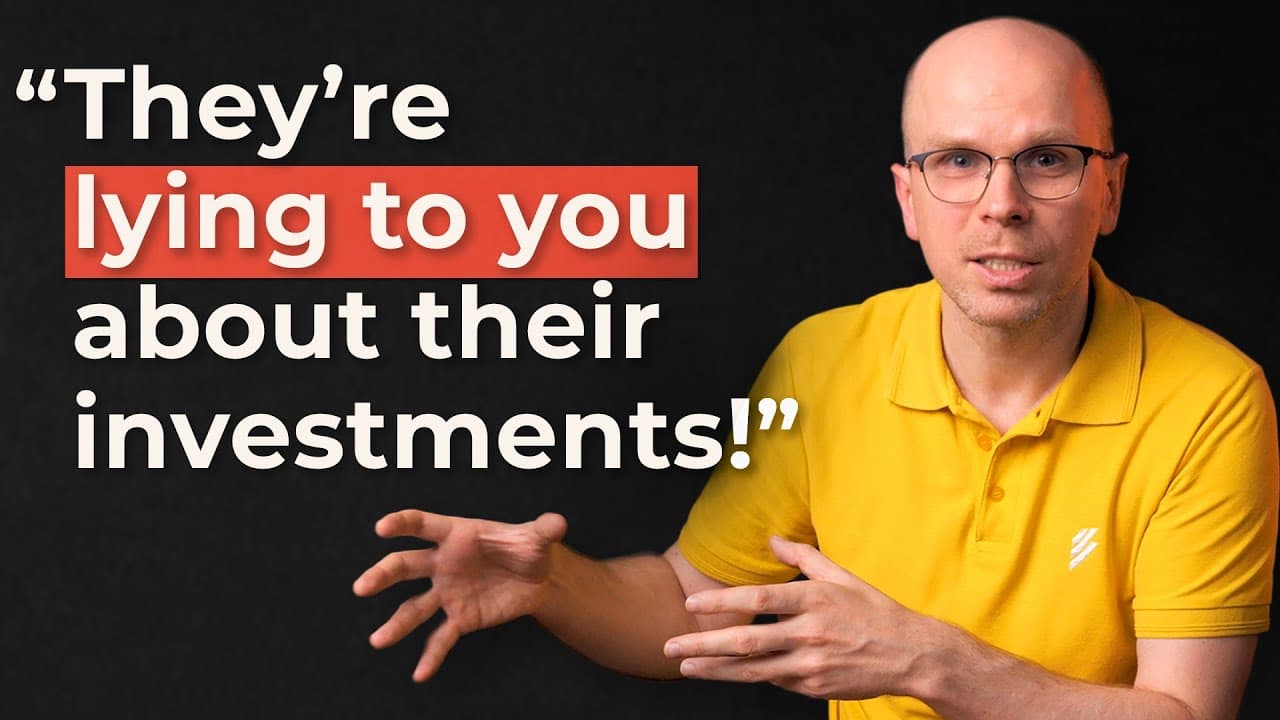
European investors should build wealth slowly by increasing how much they save, using passive index funds or ETFs unless they can pursue stock selection professionally, and researching local taxes before investing. Stocks averaged about 9% annually over the past 50 years, while promises of 20%, 50%, or 100% returns usually signal extreme risk or scams. Read on for practical guidance about income, taxes, stock picking, and overcoming fear.
Transcript
The reason you're not finding the time to invest, it has nothing to do with your packed schedule, and it has everything to do with fear. Hi, I'm Tom Croshill. I'm a professional investor, and the pension funds I managed got the best results in my whole country. Here's what I wish that I had known when I started out. First, if somebody is trying to ... Read More
Key Insights
- Reliable investing is a slow and steady process, not a way to become wealthy instantly. Investments promising annual returns of 20%, 50%, or 100% are generally extremely risky or fraudulent, while safer investments typically produce only a few percent of profit each year.
- Stock market investing has produced about 9% per year on average over the past 50 years, according to the speaker. That historical figure does not make rapid wealth inevitable because successful investing still requires patience, consistent contributions, and acceptance of market risk.
- The amount of money invested is presented as the strongest predictor of investment success. A brilliant strategy cannot turn a very small contribution into substantial wealth, so increasing income and reducing expenses should come before searching for sophisticated investments.
- Income growth is possible through valuable skills, negotiation, and work beyond a standard career path. The speaker recommends identifying skills rewarded by the market, learning them through available educational resources, demonstrating additional value to an employer, and seeking appropriate compensation.
- Successful stock picking is difficult because market gains are concentrated among very few companies. Research cited in the transcript found that, among 26,000 American stocks over 90 years, just 83 stocks produced half of all investor profits.
- Passive investing is the practical choice for people unwilling to make investing their full-time profession. The speaker argues that index funds and ETFs can outperform amateur stock pickers and most professionals while freeing time for education, skill development, and increasing earnings.
- Investment taxes vary across European countries and should be investigated before any money is invested. Delayed tax planning can create stress, fines, excessive payments, inefficient investment choices, or more serious problems, especially for expatriates and people who move between countries.
- Fear is often the real reason people postpone investing, even when they describe themselves as too busy. Concerns about losing money and regretting decisions are natural, but leaving cash in a bank account allows inflation to reduce its value as prices rise.
Install to Summarize YouTube Videos and Get Transcripts
Explore YouTube Video Summarizer or Get YouTube Transcript Extractor
Questions & Answers
Q: How should European investors build wealth?
European investors should reject get-rich-quick promises, increase the amount they save and invest, and accept that reliable investing is slow and steady. Unless they are prepared to pursue stock selection professionally, the speaker recommends passive index funds or ETFs. They should also understand their country’s tax rules before investing.
Q: Why should investors distrust promises of unusually high annual returns?
Promises of 20%, 50%, or 100% annual returns usually involve extreme risk or an outright scam. The speaker contrasts them with safer investments that may return only a few percent annually and stocks that averaged about 9% per year over the past 50 years. Chasing faster gains can cause investors to lose money and wrongly conclude that investing does not work.
Q: Why does the amount invested matter more than investment strategy?
The speaker calls the amount invested the single best predictor of investment success, ahead of strategy, luck, or market developments. Investing €100 cannot produce a million regardless of how brilliant the strategy is. Investors should therefore focus first on increasing income and reducing expenses.
Q: How can investors increase the money available to invest?
They can reduce expenses, acquire skills valued by the market, negotiate higher compensation, or develop the skills needed to start a business. The speaker recommends showing employers how work beyond a formal job description creates additional value. Growing income can increase investment contributions without requiring the same reduction in living standards.
Q: Should individual investors pick stocks or use passive funds?
The speaker advises investors to go professional or go passive. Anyone unwilling to devote extraordinary time and effort to finding winning stocks should consider index funds or ETFs instead. Passive investing also frees time for developing skills and increasing earnings.
Q: Why is picking winning stocks so difficult?
Stock-market gains have historically been concentrated among very few companies. Research cited by the speaker examined 26,000 American stocks over 90 years and found that only 83 generated half of all investor profits. Finding those exceptional companies early is described as searching for a needle in a haystack.
Q: When should European investors research investment taxes?
European investors should investigate taxes before investing because each country has different rules. Delaying tax planning can lead to stress, fines, excessive tax payments, or inefficient investment choices. The issue can be especially complicated for expatriates and people moving between countries.
Q: Why do people postpone investing despite knowing its benefits?
The speaker argues that fear, rather than a packed schedule, often prevents people from investing. Beginners may fear losing money, choosing incorrectly, or regretting their decisions. Meanwhile, leaving cash in a bank account allows inflation to reduce its purchasing power as prices rise.
Summary & Key Takeaways
-
Successful investing depends on rejecting get-rich-quick promises and accepting gradual wealth building. Low-risk investments may return only a few percent annually, while stocks averaged about 9% annually over the past 50 years. Promises of 20%, 50%, or 100% annual returns usually indicate extreme risk or an outright scam.
-
The amount invested is presented as a stronger predictor of success than strategy, luck, or market conditions. Investors should increase income, reduce expenses, develop valuable skills, negotiate better compensation, or build a business. Greater earnings and savings provide more capital to invest and can improve long-term results without requiring exceptional stock selection.
-
Investors should either pursue stock selection professionally or use passive index funds and ETFs. Winning stocks have historically been highly concentrated and difficult to identify early. European investors must also understand their country's tax rules before investing, while hesitant beginners should acknowledge fear and the loss of purchasing power caused by inflation.
Read in Other Languages (beta)
Share This Summary 📚
Summarize YouTube Videos and Get Video Transcripts with 1-Click
Try YouTube Summary with ChatGPT & Claude or YouTube Transcript Generator
Explore More Summaries from Tom Crosshill 📚


Summarize YouTube Videos and Get Video Transcripts with 1-Click
Try YouTube Summary with ChatGPT & Claude or YouTube Transcript Generator