Glacial Melt Spurs Antarctic Phytoplankton Blooms
TL;DR
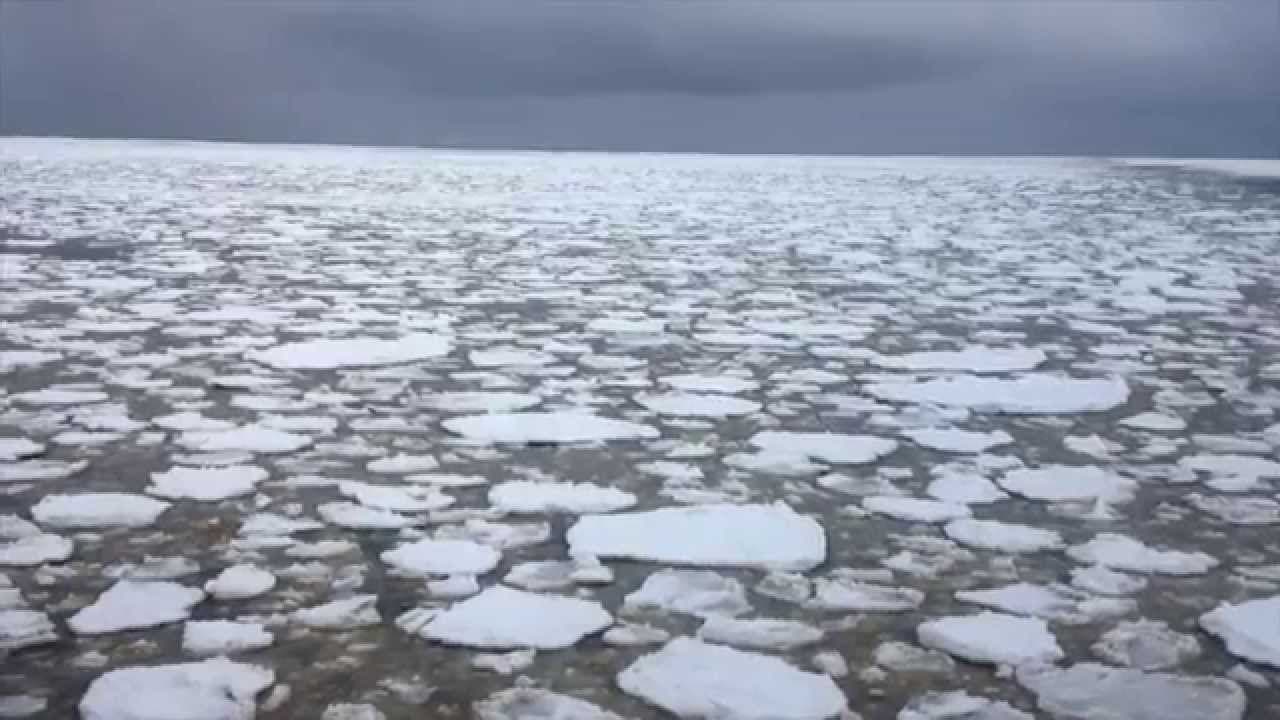
Phytoplankton blooms in polar waters play a crucial role in mitigating atmospheric CO2 levels by taking up carbon dioxide and becoming a food source for marine animals.
Transcript
Stanford University my interest is in global carbon cycling and the role of the ocean in taking up atmospheric CO2 byop Plankton are integral to that uh they are the base of what we call the biological pump and the biological pump is is the pump that takes atmospheric CO2 and pumps to the deep ocean in many parts of the world we don't understand ve... Read More
Key Insights
- 💦 Phytoplankton blooms in polar waters are crucial for carbon sequestration and the biological pump.
- 🫠 The productivity of phytoplankton in penas is primarily influenced by the rate of adjacent ice melting, likely due to increased iron concentrations.
- 🫠 Melting glaciers contribute to the input of iron, enhancing phytoplankton growth and carbon uptake.
- ♻️ The low iron content in the Southern Ocean makes these phytoplankton blooms unique and potentially vulnerable to changes in iron availability.
- 🫠 Increasing rates of glacier melt in the future may lead to increased productivity and carbon sequestration in polar waters.
- 😋 Phytoplankton blooms in penas support the food web, benefiting marine animals like krill, seals, and penguins.
- 🐻❄️ The study highlights the importance of understanding the role of phytoplankton in carbon cycling to predict the impact of climate change on polar ecosystems.
Install to Summarize YouTube Videos and Get Transcripts
Explore YouTube Video Summarizer or Get YouTube Transcript Extractor
Questions & Answers
Q: What is the biological pump and how does it relate to phytoplankton blooms in polar waters?
The biological pump is the process that transfers atmospheric CO2 to the deep ocean. Phytoplankton blooms in polar waters play a crucial role in this pump by taking up carbon dioxide during photosynthesis and then becoming food for marine animals, which eventually sink to the ocean depths, sequestering carbon in the sediments.
Q: Why are phytoplankton blooms in penas important for carbon sequestration?
Phytoplankton blooms in penas facilitate carbon sequestration because these areas are ideal for the ocean to absorb atmospheric CO2. The productivity of these penas is relatively high compared to the surrounding waters, making them a disproportionately important sink for carbon dioxide.
Q: What factors control the productivity of phytoplankton in penas?
The study found that the most important factor affecting phytoplankton productivity in penas was the speed of adjacent ice melting. Higher rates of glacier meltwater entering the ocean resulted in more productive penas. The presence of iron, derived from the melting glaciers and dust accumulation, likely contributes to this increased productivity.
Q: How does the low iron content in the Southern Ocean affect phytoplankton growth?
The Southern Ocean, including polar waters, generally has low iron levels compared to other parts of the global ocean. Unlike other regions, where iron is carried through wind from land sources, the lack of open land in Antarctica limits the input of iron. This scarcity of iron may limit phytoplankton growth unless supplemented by other sources like melting glaciers.
Summary & Key Takeaways
-
Phytoplankton blooms in polar regions are essential for the biological pump, which transfers atmospheric CO2 to the deep ocean.
-
These blooms are a result of phytoplankton growth, facilitated by light, in areas called penas where the ocean becomes ice-free.
-
Phytoplankton form the base of the food web in polar waters, providing nourishment for krill and larger animals like seals and penguins.
Read in Other Languages (beta)
Share This Summary 📚
Summarize YouTube Videos and Get Video Transcripts with 1-Click
Try YouTube Summary with ChatGPT & Claude or YouTube Transcript Generator
Explore More Summaries from Stanford 📚





Summarize YouTube Videos and Get Video Transcripts with 1-Click
Try YouTube Summary with ChatGPT & Claude or YouTube Transcript Generator