Stanford researchers develop vine-like, growing robot
Transcript
Read and summarize the transcript of this video on Glasp Reader (beta).
Install to Summarize YouTube Videos and Get Transcripts
Explore YouTube Video Summarizer or Get YouTube Transcript Extractor
Summary
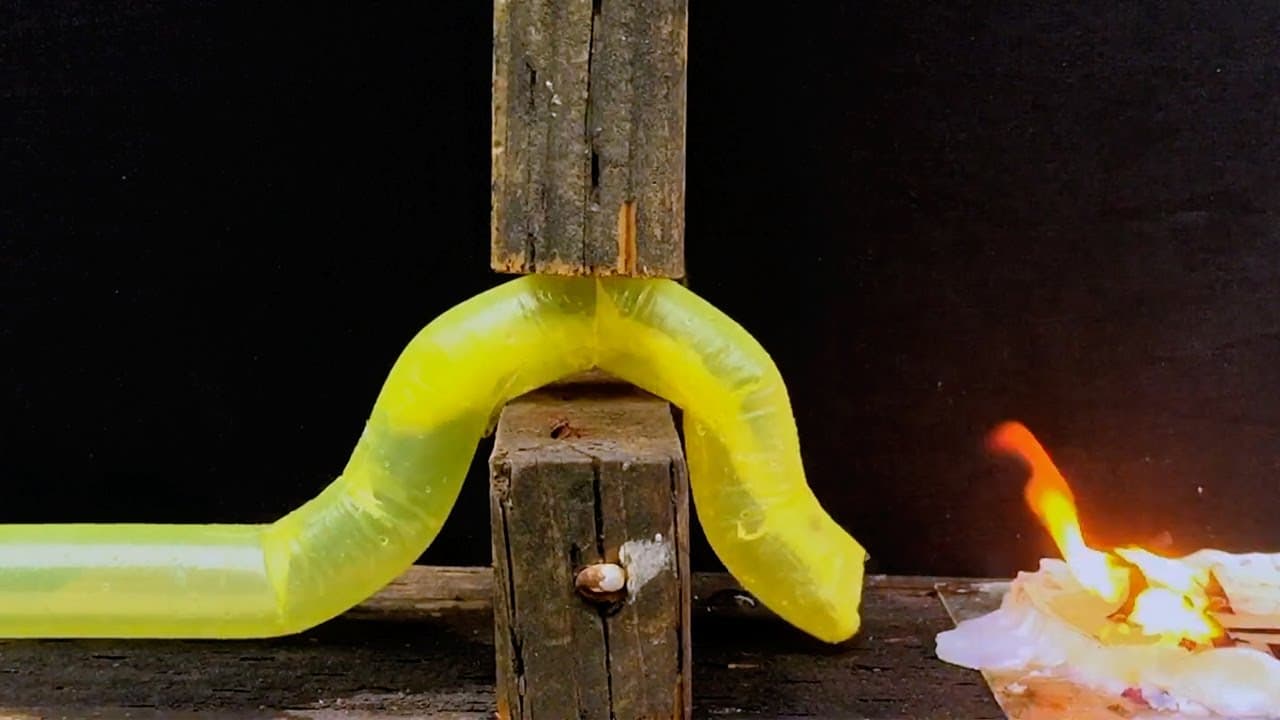
This video showcases a new type of robot that can explore its environment by growing like plants or cells. The robot uses a mechanism called eversion, which allows it to turn inside out as material is emitted from the tip. It is powered by pneumatic pressure or pressurized fluids, eliminating the need for a moving power supply. The robot can sense its environment using a camera and grow towards a designated goal destination. It can navigate through difficult-to-reach places, lift objects, pull cables, and deliver materials. The current prototype is made of cheap plastic, but there are plans to use more robust and waterproof fabrics in the future.
Questions & Answers
Q: What is the basic mechanism of the robot called?
The basic mechanism of the robot is called eversion. It allows the robot to turn inside out as material is emitted from the tip. This mechanism enables the robot to grow to long lengths and navigate through complex paths.
Q: What is the advantage of using pneumatic pressure or pressurized fluids to power the robot?
By using pneumatic pressure or pressurized fluids, the robot can have a power supply that doesn't need to move. This stationary power supply gives the robot more flexibility in terms of weight as it moves through its environment. Additionally, it allows the robot to stay in one place while extending and exploring its surroundings.
Q: How does the robot sense its environment?
The robot has a camera attached at the tip, which functions similar to the human eye. This camera is used to sense the environment and gather visual information. Based on the information captured by the camera, a user can designate a goal destination for the robot to grow towards.
Q: What are some examples of tasks the robot can perform?
The robot can perform various tasks. It can navigate through difficult-to-reach places, lift objects using air pressure, and even create obstacle courses. Additionally, it can pull cables along as it grows, making it useful for applications such as wiring ceilings, walls, or floors. The robot can also take the shape of an antenna for communication purposes, sneak through small crevices, and deliver materials or sensors to disaster victims.
Q: What material is the current prototype of the robot made of?
The current prototype of the robot is made of cheap plastic. It was chosen for its availability and ease of prototyping. However, there are plans to make future versions of the robot using more robust, airtight, and waterproof fabrics.
Q: What is the main purpose of the first paper on this robot idea?
The main purpose of the first paper on this robot idea is to showcase the proof of concept. It highlights the robot's unique form of mobility and demonstrates its capabilities in various scenarios. The paper serves as a starting point for further research and development of this innovative robot technology.
Q: What do you think is the biggest challenge for this robot?
The biggest challenge for this robot is the vast scope of potential applications. With its ability to navigate through challenging environments and adapt to different shapes, the robot could be used in a wide range of fields and industries. However, finding the most effective and efficient applications and addressing the specific requirements of each remains a significant challenge.
Takeaways
This video introduces a revolutionary approach to robot mobility by showcasing a robot that can grow and explore its environment. The eversion mechanism, powered by pneumatic pressure or pressurized fluids, allows the robot to move through difficult-to-reach places and extend to long lengths. Its ability to sense the environment using a camera and its flexibility in shape enable the robot to perform various tasks, from lifting objects and pulling cables to delivering materials or reaching disaster victims. While the current prototype is made of cheap plastic, the future focus is on using more durable and waterproof materials. The possibilities for this type of robot are vast and varied, posing both exciting opportunities and challenges in terms of application development and optimization.
Read in Other Languages (beta)
Share This Summary 📚
Summarize YouTube Videos and Get Video Transcripts with 1-Click
Try YouTube Summary with ChatGPT & Claude or YouTube Transcript Generator
Explore More Summaries from Stanford 📚


Summarize YouTube Videos and Get Video Transcripts with 1-Click
Try YouTube Summary with ChatGPT & Claude or YouTube Transcript Generator