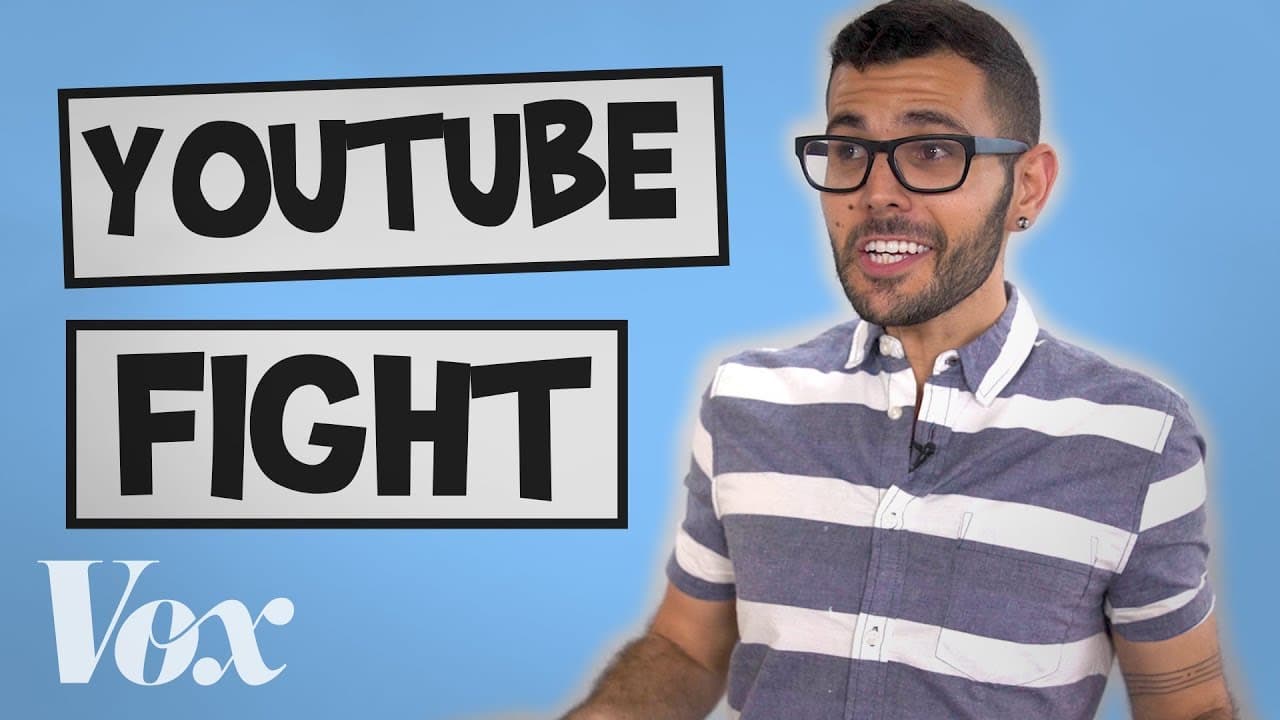
YouTube's messy fight with its most extreme creators
TL;DR
YouTube faces challenges balancing free speech and ad-friendly content.
Transcript
Search YouTube for videos about immigration and eventually you’ll find this: Mass immigration is not the rainbows and unicorns that our politicians portray it as. It is, in fact, a tragedy. Search for videos about Islam, and you’ll find stuff like this: By its very nature, Islam is an intolerant, radical, extremist belief system. Search for feminis... Read More
Key Insights
- YouTube is a platform where right-wing vloggers and activists have built significant followings, often promoting controversial views on immigration, Islam, and feminism.
- The low barrier to entry on YouTube allows anyone to create content, which can include extremist and controversial opinions not typically found on traditional media.
- YouTube's recommendation system can lead viewers down ideological rabbit holes, exposing them to increasingly extreme content.
- The platform faces a dilemma between maintaining open expression and ensuring content is suitable for advertisers, leading to issues like demonetization and shadowbanning.
- The 'Adpocalypse' refers to a situation where advertisers pulled back from YouTube, leading to significant revenue loss for content creators.
- YouTube's attempts to regulate content have been met with criticism from both creators, who feel censored, and advertisers, who demand safer content environments.
- Determining what constitutes hate speech on YouTube is challenging, as opinions differ on what is considered offensive or harmful.
- YouTube's struggle with managing extreme content reflects broader societal debates about free speech, censorship, and the role of digital platforms in shaping public discourse.
Install to Summarize YouTube Videos and Get Transcripts
Explore YouTube Video Summarizer or Get YouTube Transcript Extractor
Questions & Answers
Q: What is the YouTube right?
The YouTube right refers to a group of right-wing vloggers, media operations, and activists on YouTube who have gained significant followings by promoting views critical of immigration, political correctness, and social justice movements. They often create content that challenges mainstream media narratives and appeal to audiences seeking alternative perspectives.
Q: How does YouTube's recommendation system contribute to the spread of extreme content?
YouTube's recommendation system is designed to show users more of what they have just watched, which can lead them down ideological rabbit holes. For example, watching a video on immigration by a right-wing creator might lead to recommendations for more extreme content, such as videos on white genocide, thereby increasing exposure to radical viewpoints.
Q: What was the 'Adpocalypse' and how did it affect YouTube creators?
The 'Adpocalypse' refers to a period when advertisers pulled their ads from YouTube after discovering they were appearing alongside extremist content. This led to widespread demonetization of videos, significantly reducing revenue for many creators, including those not involved in producing controversial content, and highlighting the challenges YouTube faces in balancing content regulation with creator income.
Q: Why is regulating content on YouTube challenging?
Regulating content on YouTube is challenging due to the sheer volume of uploads, with 400 hours of video added every minute. Additionally, defining what constitutes hate speech or offensive content is subjective, leading to disagreements over what should be censored. The platform must balance creator freedom with advertiser safety, complicating content moderation efforts.
Q: How has YouTube's content regulation affected political content creators?
YouTube's content regulation has affected political content creators by demonetizing videos deemed controversial, leading to significant revenue losses. This has prompted accusations of censorship from creators who feel their freedom of expression is being stifled. The platform's actions have sparked debates about the limits of free speech and the role of digital platforms in moderating content.
Q: What role do advertisers play in YouTube's content policies?
Advertisers play a crucial role in YouTube's content policies, as their demand for brand safety influences the platform's approach to content regulation. Advertisers' concerns over their ads appearing on extremist content led to the 'Adpocalypse,' prompting YouTube to implement stricter guidelines to ensure content is ad-friendly, affecting creators' revenue and content strategies.
Q: What are some criticisms of YouTube's handling of extremist content?
Critics argue that YouTube's handling of extremist content is inconsistent and lacks transparency. While some creators feel unfairly censored, advertisers demand stricter controls. The platform's reliance on algorithms for content moderation has also been criticized for inadvertently promoting radical content, highlighting the difficulty of balancing open expression with responsible content management.
Q: How does YouTube's content dilemma reflect broader societal issues?
YouTube's content dilemma reflects broader societal issues surrounding free speech, censorship, and digital responsibility. The platform's struggle to manage extremist content mirrors debates about the limits of expression and the role of media in shaping public discourse. As digital platforms gain influence, they face increasing pressure to balance open dialogue with the need to prevent harm.
Summary & Key Takeaways
-
YouTube hosts a growing community of right-wing creators who challenge political correctness and promote controversial views, creating a complex environment for the platform. This has led to significant debates about censorship and free speech as YouTube attempts to balance creator freedom with advertiser demands.
-
The platform's recommendation algorithms can lead users to more extreme content, raising concerns about the spread of hate speech and conspiracy theories. YouTube's response, including demonetization and content regulation, has sparked backlash from creators and advertisers alike.
-
The 'Adpocalypse' highlighted the financial impact on creators when advertisers withdrew due to concerns over extremist content. YouTube continues to grapple with defining and enforcing content guidelines, reflecting broader societal tensions around free speech and digital responsibility.
Read in Other Languages (beta)
Share This Summary 📚
Summarize YouTube Videos and Get Video Transcripts with 1-Click
Try YouTube Summary with ChatGPT & Claude or YouTube Transcript Generator
Explore More Summaries from Vox 📚

Summarize YouTube Videos and Get Video Transcripts with 1-Click
Try YouTube Summary with ChatGPT & Claude or YouTube Transcript Generator