What Is Short Selling and How Does It Work?
TL;DR
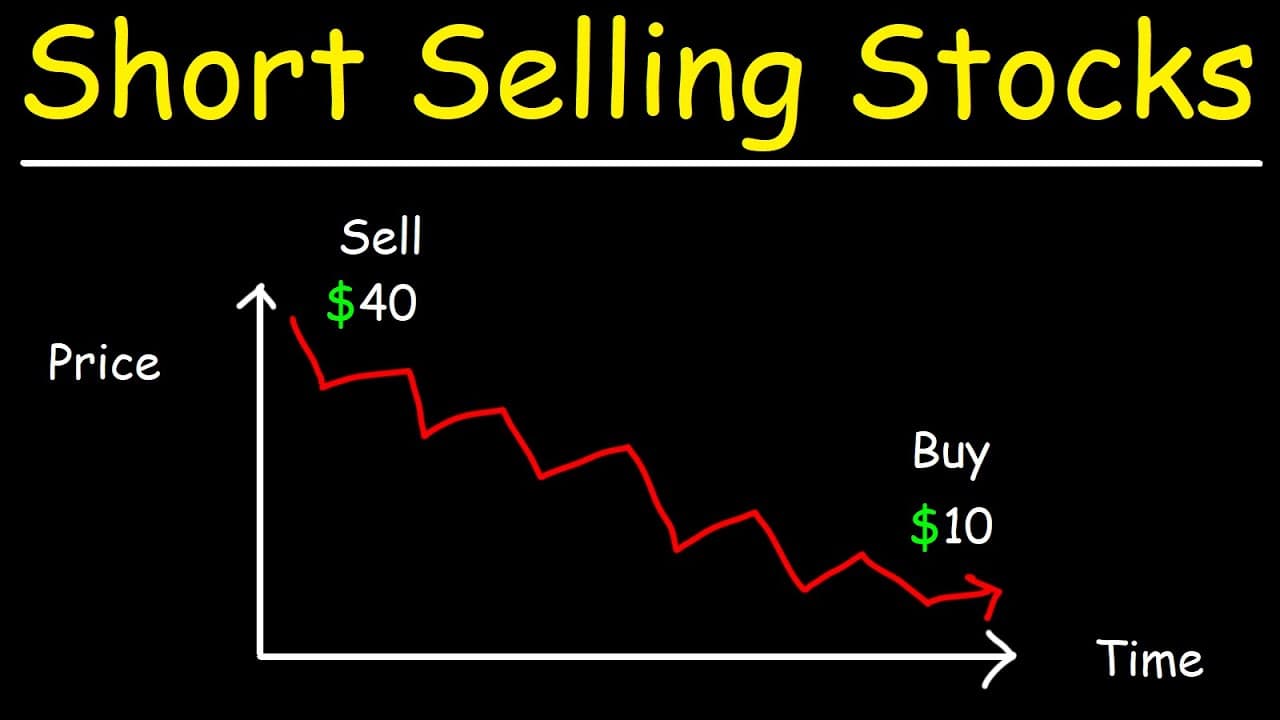
Short selling is a strategy where investors borrow shares to sell at a high price, hoping to buy them back later at a lower price for profit. The maximum return on investment (ROI) is capped at 100%, while potential losses can exceed the initial investment, making it a high-risk trading tactic.
Transcript
what is short selling what does it mean to short a stock well in this video we're going to answer that question but let's talk about the traditional way of investing so let's say the price of a stock is ten dollars and it goes up to twenty when a stock is in an uptrend typically an investor will buy the stock when the price is low and then sell it ... Read More
Key Insights
- 👻 Short selling allows investors to profit from falling stock prices by selling high and buying low.
- 🙃 Short sellers borrow stocks from their broker to sell without owning them.
- 😘 The maximum ROI in short selling is 100% as the lowest a stock price can go is zero.
- 😮 Short selling carries the risk of unlimited losses if stock prices rise instead of falling.
- 🍰 Calculating ROI in short selling considers the initial investment as the cost, rather than the amount used to buy back the shares.
- 😮 Short selling can be profitable when stocks decline, but it can result in significant losses if stock prices rise.
- 🥐 The ROI in short selling is calculated by dividing the profit by the initial investment.
Install to Summarize YouTube Videos and Get Transcripts
Explore YouTube Video Summarizer or Get YouTube Transcript Extractor
Questions & Answers
Q: What is short selling in stock trading?
Short selling involves selling borrowed stocks first and buying them back at a lower price later to make a profit.
Q: How do short sellers sell stocks they don't own?
Short sellers borrow stocks from their broker, sell them at a high price, and then buy them back at a lower price to return to the lender.
Q: Can short sellers make a profit when stock prices go down?
Yes, short sellers make a profit when stock prices go down by selling high and buying low.
Q: What is the maximum ROI in short selling?
The maximum ROI in short selling is 100%, as the lowest a stock price can go is zero. However, losses can exceed the initial investment.
Summary & Key Takeaways
-
Short selling involves selling borrowed stocks at a high price and buying them back at a lower price to make a profit.
-
In short selling, investors sell stocks they don't own by borrowing them from their broker.
-
The ROI in short selling is calculated by dividing the profit by the initial investment, which is considered the cost of investment.
Read in Other Languages (beta)
Share This Summary 📚
Summarize YouTube Videos and Get Video Transcripts with 1-Click
Try YouTube Summary with ChatGPT & Claude or YouTube Transcript Generator
Explore More Summaries from The Organic Chemistry Tutor 📚

Summarize YouTube Videos and Get Video Transcripts with 1-Click
Try YouTube Summary with ChatGPT & Claude or YouTube Transcript Generator