How to Get A Better Return on Your Stockpiled Cash
TL;DR
To get a better return on stockpiled cash, consider high-yield savings accounts, CDs, stable value funds, short-term bond funds, or individual bonds when stocks are unsuitable. Retirement income from a pension, annuity, or Social Security may also provide bond-like stability, while your expenses and proximity to retirement determine how much safety you need. Read on to compare these choices and understand their role in your portfolio.
Transcript
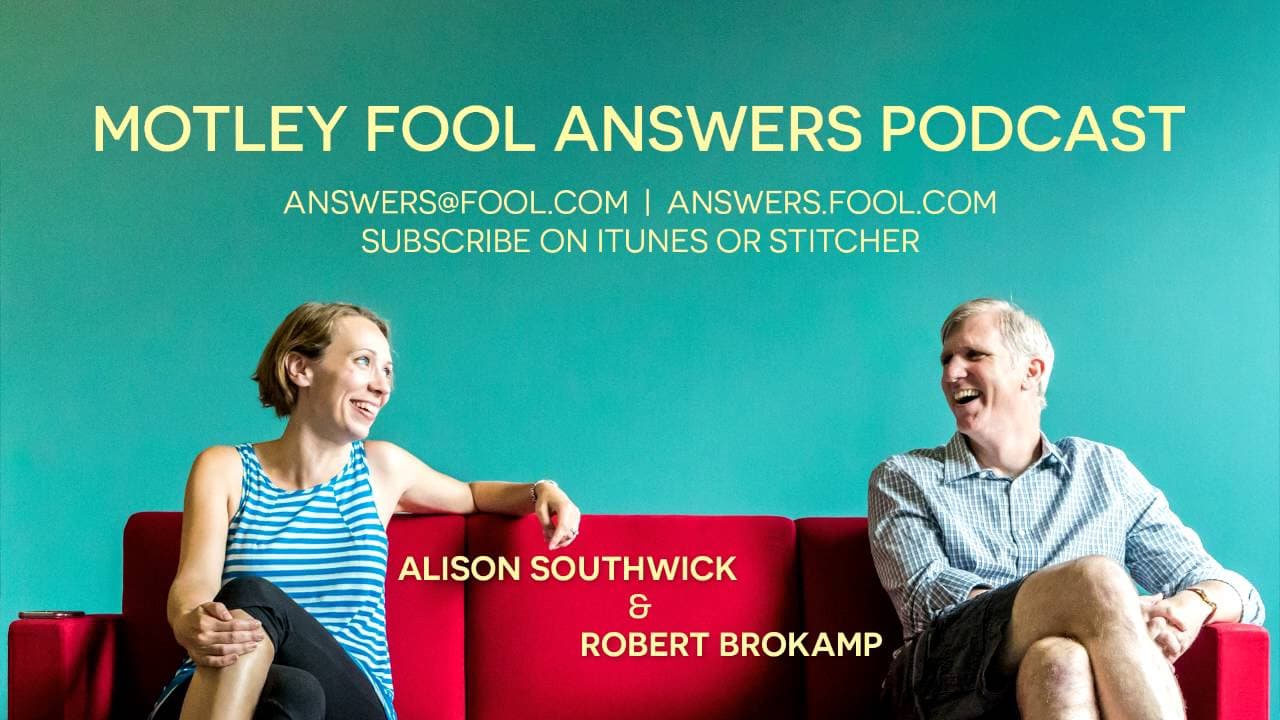
this is mle fool answers I'm Alison Southwick and I'm joined as always by Robert brokamp personal finance expert here at the mle fool and he's also the adviser on the mle fools rule your retirement newsletter hello Allison hi bro how are you doing today just groovy how are you I'm good your chair is really rattly is it I better stop moving maybe it... Read More
Key Insights
- 🚟 Annuities and pensions can be considered as alternatives to bonds in a retirement portfolio.
- 🥡 One's proximity to retirement and the presence of other sources of income should be taken into account when determining asset allocation.
- ✋ Investing in high-yield savings accounts, CDs, and short-term bond funds can offer better returns than traditional savings accounts.
- 😒 Paying off debt can be a wise use of cash, especially if the interest rates are higher than the potential returns on cash investments.
- ❓ The timing of Social Security benefits can affect overall retirement income and should be considered in financial planning.
- 🍉 Building an emergency fund and saving for short-term expenses are important financial strategies.
- 🥺 Negotiating with cable companies and seeking deals in person can lead to better outcomes.
Install to Summarize YouTube Videos and Get Transcripts
Explore YouTube Video Summarizer or Get YouTube Transcript Extractor
Questions & Answers
Q: How can you get a better return on stockpiled cash?
Options include high-yield savings accounts, CDs, stable value funds, short-term bond funds, and individual bonds. The appropriate place for your cash depends on its purpose, such as an emergency fund, a near-term expense, or retirement spending.
Q: What are alternatives to the stock market for storing a large amount of cash?
The alternatives discussed include high-yield savings accounts, CDs, stable value funds, short-term bond funds, and individual bonds. These may be suitable when money is needed for a house, college, retirement, an emergency fund, or another short-term expense.
Q: Can a pension or annuity replace bonds in a retirement portfolio?
A defined benefit pension or straight annuity can serve a bond-like role because it provides monthly payments until death. The transcript also cites retirement researcher Wade Pfau's view that some people may be better served by replacing bonds with an annuity.
Q: How are a defined benefit pension and an annuity similar?
A traditional defined benefit pension sends a retiree a monthly payment from the employer until death. With an annuity, money is given to an insurance company, which then provides monthly payments until death.
Q: How much of an investable portfolio should be in stocks?
A rough starting guideline is 110 minus your age, applied to your investable portfolio rather than your total net worth. For example, at age 50, the formula suggests 60% in stocks, though the transcript describes this guideline as conservative.
Q: Should Social Security be included in retirement asset allocation?
John Bogle's approach, as described in the transcript, is to treat Social Security as part of asset allocation because it supplies monthly income until death. Its estimated value can be considered in terms of what an insurance company would charge to provide the same benefit, stated as roughly $500,000 to $800,000 depending on the benefit.
Q: When can a retiree afford to invest more aggressively?
A retiree can be more aggressive with the remaining portfolio when Social Security, a pension, and annuity income cover all must-pay expenses. If some essential expenses must still come from investments, the portfolio should be managed more cautiously.
Q: Why is a 100% stock portfolio risky near retirement?
If retirement is five years away and the stock market falls sharply, someone who depends on the portfolio may have to delay retirement. Holding part of the portfolio in bonds or cash can provide greater stability when retirement spending is approaching.
Summary & Key Takeaways
-
Most traditional ways of stashing cash are not very profitable.
-
Defined benefit pension and annuities can be considered as alternatives to bonds in a retirement portfolio.
-
How much you need to save depends on the source of income, expenses, and proximity to retirement.
-
High yield savings accounts, CDs, and short-term bond funds are other options for storing cash.
Read in Other Languages (beta)
Share This Summary 📚
Summarize YouTube Videos and Get Video Transcripts with 1-Click
Try YouTube Summary with ChatGPT & Claude or YouTube Transcript Generator
Explore More Summaries from Motley Fool Answers - Personal Finance 101 📚

Summarize YouTube Videos and Get Video Transcripts with 1-Click
Try YouTube Summary with ChatGPT & Claude or YouTube Transcript Generator