What Makes the 1986 Teen Wolf Cartoon So Underrated?
TL;DR
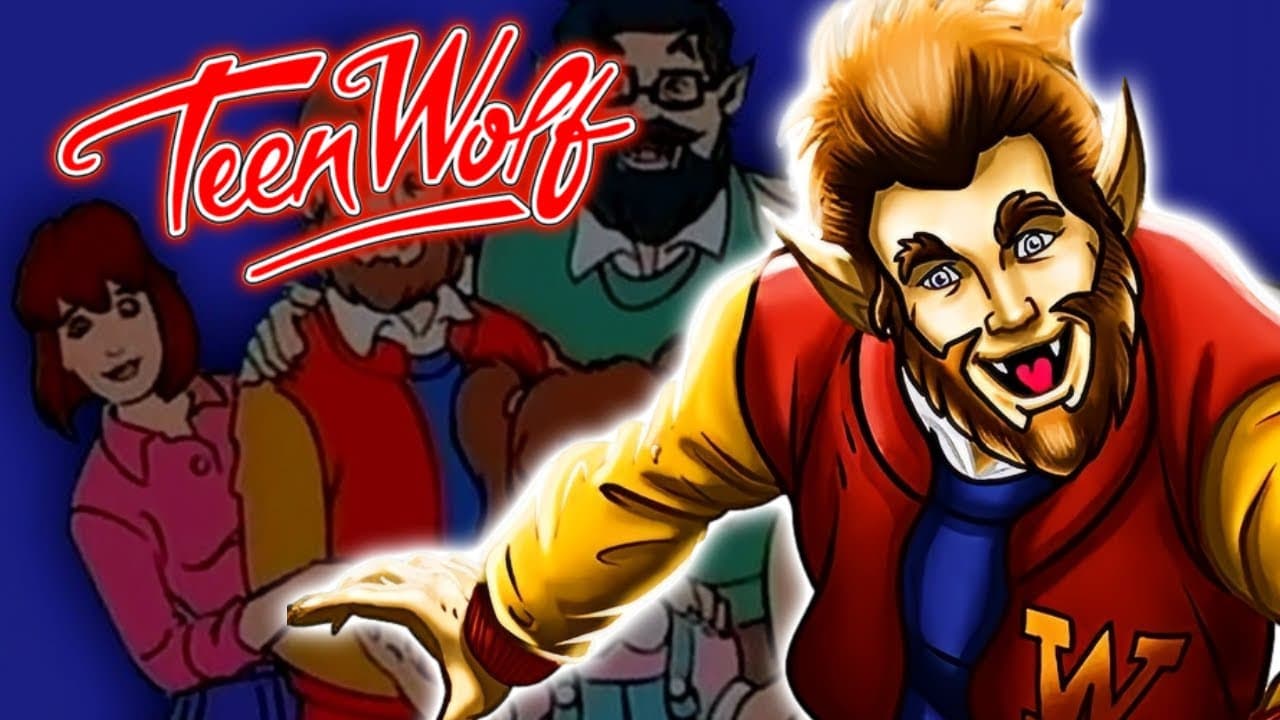
The 1986 Teen Wolf animated series blends comedy with deeper themes, exploring Scott Howard's struggles with his werewolf identity and high school pressures. Despite its simplistic animation, it tackles issues like discrimination and belonging, making it relatable and relevant, even decades later. The show's vibrant colors and engaging storytelling contribute to its nostalgic charm and cult following.
Transcript
back in the80s there was only one real way to cap off a successful young adult film an animated series this was exactly the case with the 1985 coming of age flick Team Wolf directed by Rod Daniel and Jeff lobe when the creators of the fun 8s romp realized they had a Bonafide hit on their hands it was only natural that they were interested in creati... Read More
Key Insights
- 🏃 Teen Wolf's animated series ran for 21 episodes, starting from a successful film, establishing a nostalgic franchise.
- ❓ Scott Howard's character evolution showcases the challenges of adolescence and the pressures of secrecy surrounding identity.
- 🎨 The cartoon's vibrant animation, while simplistic, successfully captured the essence of the 80s through character designs and engaging themes.
- 🗯️ The show addressed mature themes related to civil rights and disability, reflecting societal issues of the 1980s often overlooked in children's programming.
- 🛟 Relationships among characters, particularly familial bonds, were central to the narrative, highlighting loyalty, acceptance, and the complexity of teenage life.
- 👶 New characters like Lupe Howard offered new story arcs and deeper exploration of Scott's family dynamics.
- 🎼 The energetic soundtrack of the series, featuring synth music, contributed significantly to its nostalgic and immersive quality.
Install to Summarize YouTube Videos and Get Transcripts
Explore YouTube Video Summarizer or Get YouTube Transcript Extractor
Questions & Answers
Q: What inspired the creation of the Teen Wolf animated series?
The Teen Wolf animated series was inspired by the success of the 1985 film starring Michael J. Fox. Following the film's popularity and its financially successful run, the creators sought to capitalize on the characters and premise, leading to the development of the animated series in 1986.
Q: How did the animation style of Teen Wolf contribute to its nostalgic appeal?
Despite being simplistic, the animation style of Teen Wolf used vibrant colors and character designs that faithfully echoed the film, enhancing its nostalgic resonance with viewers. The limited animation techniques of the era did not detract from the storytelling, allowing the humor and heart of the narrative to shine through, invoking fond memories from the 80s.
Q: What themes were explored in the Teen Wolf animated series?
The Teen Wolf animated series tackled numerous themes, including the pressures of adolescence, the experience of being an outsider, and the importance of family. It also addressed social issues like discrimination and the challenges faced by those with disabilities, lending a deeper narrative layer to the comedic surface typical of children's programming in the 80s.
Q: Can you explain the character dynamics in the Teen Wolf animated series?
The series featured a range of characters resulting in complex dynamics. Scott Howard, as the everyman protagonist, navigated his werewolf identity with the support of friends like Styles, while also facing pressure from peers and authority figures like Mayor Marone. The relationships, particularly with family and romantic interests, highlighted themes of loyalty, acceptance, and personal growth.
Q: How did the animated series differ from the original film in character portrayal?
The animated series introduced new characters and evolved existing ones, depicting Scott as more relatable with anxiety about fitting in and keeping his werewolf identity secret. It added depth to family relationships by incorporating his sister Lupe, while characters like Pamela Williams received more pronounced roles, showcasing complexities beyond their initial portrayals in the film.
Q: What was the audience's reception of the Teen Wolf animated series over the years?
The reception of the Teen Wolf animated series has remained generally positive over the years, particularly among fans who grew up watching it. It has retained a nostalgic charm and experienced renewed interest due to its DVD releases and references in popular culture, proving its timelessness and relevance in discussions about representation and social issues.
Q: How did the show address serious social issues despite being a children's cartoon?
Teen Wolf managed to explore serious social themes, such as discrimination and identity struggles, through storytelling that resonated with both children and adults. The creators incorporated thematically relevant plots—like Scott's transformations serving as metaphors for real-life afflictions—that fostered empathy and awareness, without compromising the show's comedic and entertaining tone.
Q: What is the lasting cultural impact of Teen Wolf as an animated series?
The cultural impact of Teen Wolf lies in its early representation of complex social issues within a lighthearted context. The show's humor, paired with earnest exploration of teenage identity and family values, paved the way for future series to address similar themes, establishing it as a forerunner in marrying entertainment with meaningful narratives.
Summary & Key Takeaways
-
The 1985 film Teen Wolf, starring Michael J. Fox, inspired a 1986 animated series that ran for three seasons, blending comedy with deeper social themes.
-
The animated series introduced new characters and explored Scott Howard's struggles with his werewolf identity amid typical high school pressures, making the show relatable.
-
Despite its vibrant colors and simplistic animation, Teen Wolf conveyed poignant messages about discrimination, belonging, and family bonds, remaining relevant even decades later.
Read in Other Languages (beta)
Share This Summary 📚
Summarize YouTube Videos and Get Video Transcripts with 1-Click
Try YouTube Summary with ChatGPT & Claude or YouTube Transcript Generator
Explore More Summaries from Marvelous Videos 📚

Summarize YouTube Videos and Get Video Transcripts with 1-Click
Try YouTube Summary with ChatGPT & Claude or YouTube Transcript Generator