What Is the Mapinguari and Is It Real?
TL;DR
The Mapinguari is a legendary Amazonian creature resembling a giant, carnivorous sloth, characterized by backward-facing claws and a foul odor. While some scientific evidence suggests it may be based on the extinct Megatherium, the creature's existence remains unproven, with many attributes attributed to folklore and exaggeration. Cultural accounts from indigenous tribes keep its legend alive, fueling ongoing interest and debate in cryptozoology.
Transcript
what's up everyone it's kate here and welcome back to marvelous videos today we take a look at mapingwary mythological monsters there are many legends about mythical creatures in this world some are wonderful and playful like fairies and others are savage and deadly like yaois this video will analyze the mapping quarry also known as the iznashi a f... Read More
Key Insights
- ❓ The Mapinguari is deeply rooted in Amazonian folklore, showcasing the cultural significance of mythical creatures in indigenous communities.
- 🧑🏭 Physical descriptions of the creature have evolved over time, reflecting the tension between myth and potential historical facts concerning ancient sloths.
- ❓ The absence of concrete evidence for the Mapinguari encourages ongoing debate among cryptozoologists about the existence of similar creatures in the Amazon.
- 🛟 Oral traditions among various tribes serve as a historical record, emphasizing the importance of preserving these narratives amidst modern skepticism.
- 😨 Many believe that the Mapinguari could reflect humanity's innate fascination with and fear of the unknown, represented by untamed wildlife.
- 🥹 Environmental preservation is crucial, as biodiversity in the Amazon may hold secrets that could further enlighten or even validate the legends of creatures like the Mapinguari.
- 🫡 The relationship between humans and the environment in Amazonian mythology highlights the intertwining of cultural practices and respect for nature, as seen with the Mapinguari's ominous presence.
Install to Summarize YouTube Videos and Get Transcripts
Explore YouTube Video Summarizer or Get YouTube Transcript Extractor
Questions & Answers
Q: What does the name Mapinguari translate to, and what does it signify?
The name Mapinguari is often translated as "fettered beast" or "roaring monster." It signifies a fierce, mythological creature feared by those living in the Amazon rainforest, embodying the mysterious and potentially dangerous wildlife that lurks within the dense foliage of the region.
Q: How do descriptions of the Mapinguari differ across various cultures?
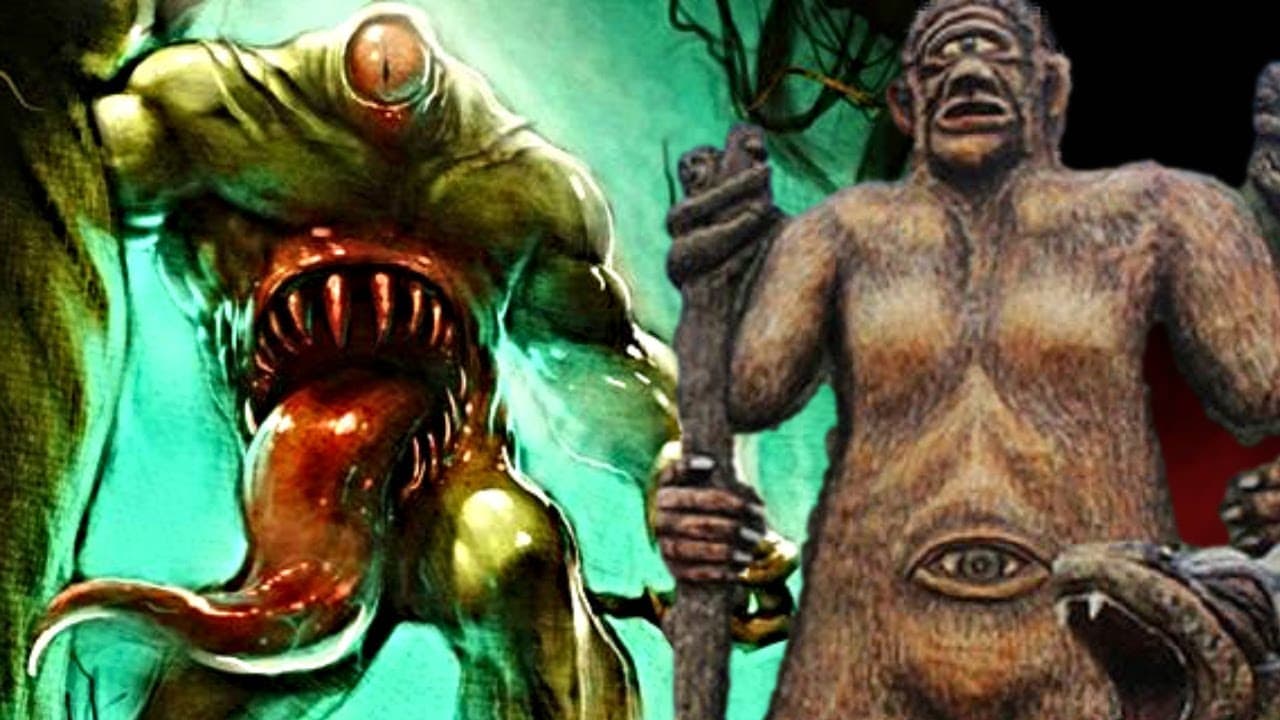
Descriptions of the Mapinguari vary considerably among different Amazonian tribes, with some claiming it possesses one eye while others describe it as having two. It is commonly depicted as a sloth-like creature with a terrifying mouth on its belly, reflecting local beliefs and adaptations of the creature's legend as it is passed down through generations.
Q: How have scientists attempted to find evidence of the Mapinguari’s existence?
Scientists, particularly cryptozoologists like David Oren, have conducted field research in the Amazon while gathering eyewitness testimonies, claw marks, and hair samples from reported sightings. Oren believes that DNA analysis could ultimately link these findings to the historical existence of giant ground sloths, hinting at a possible connection to the Mapinguari legend.
Q: What role do indigenous tribes play in the narrative surrounding the Mapinguari?
Indigenous tribes in the Amazon contribute significantly to the narrative of the Mapinguari, sharing personal experiences and naming the creature in their languages. Their accounts provide a rich cultural context for understanding the creature's myth, revealing the tribe's fear and respect for a being they believe resides in their territory.
Q: What similarities exist between the Mapinguari and the Megatherium?
The Mapinguari bears striking similarities to the Megatherium, an ancient giant ground sloth, including its size and possible behavior. Both creatures are depicted as fearsome with significant physical strength. Skeptics suggest that present-day tales of the Mapinguari may be remnants of ancient memory related to the Megatherium.
Q: Why is the Mapinguari’s foul odor notable, and what is its purported effect?
The Mapinguari is said to emit a potent, foul odor that can incapacitate nearby humans. This aspect of the creature adds to its fearsome reputation, serving as a natural defense mechanism that may deter intruders from encroaching upon its territory, creating an air of mystery and danger around its existence.
Q: What challenges do researchers face in proving the Mapinguari’s existence?
Researchers face significant challenges, including the lack of tangible evidence documenting the Mapinguari's existence. Many expeditions have returned with inconclusive findings, and the reliance on anecdotal accounts complicates the scientific validation of the creature. Cultural myths are often viewed as folklore rather than credible evidence by the broader scientific community.
Q: What is the significance of the Amazon rainforest in the narrative of the Mapinguari?
The Amazon rainforest is central to the narrative of the Mapinguari, serving as both its supposed habitat and a symbol of nature’s mystery and untamed wildlife. The rich biodiversity of the region suggests a potential for undiscovered species that could lend some credence to the existence of legendary creatures like the Mapinguari.
Summary & Key Takeaways
-
The Mapinguari, a mythical creature from Amazonian folklore, is described as a giant, carnivorous sloth with fearsome attributes, including backward-facing claws and a foul odor that may incapacitate individuals nearby.
-
Scientific investigations suggest that tales of the Mapinguari could be rooted in the existence of giant ground sloths, specifically the Megatherium, which inhabited South America during the Pleistocene era and is believed to have gone extinct thousands of years ago.
-
Despite anecdotal evidence and cultural tales from various indigenous tribes, the scientific community remains skeptical about the Mapinguari's existence, attributing its mythological status to exaggerations and folklore surrounding ancient sloths.
Read in Other Languages (beta)
Share This Summary 📚
Summarize YouTube Videos and Get Video Transcripts with 1-Click
Try YouTube Summary with ChatGPT & Claude or YouTube Transcript Generator
Explore More Summaries from Marvelous Videos 📚






Summarize YouTube Videos and Get Video Transcripts with 1-Click
Try YouTube Summary with ChatGPT & Claude or YouTube Transcript Generator