How Elon Musk & Tesla Made Electric Cars Cool
TL;DR
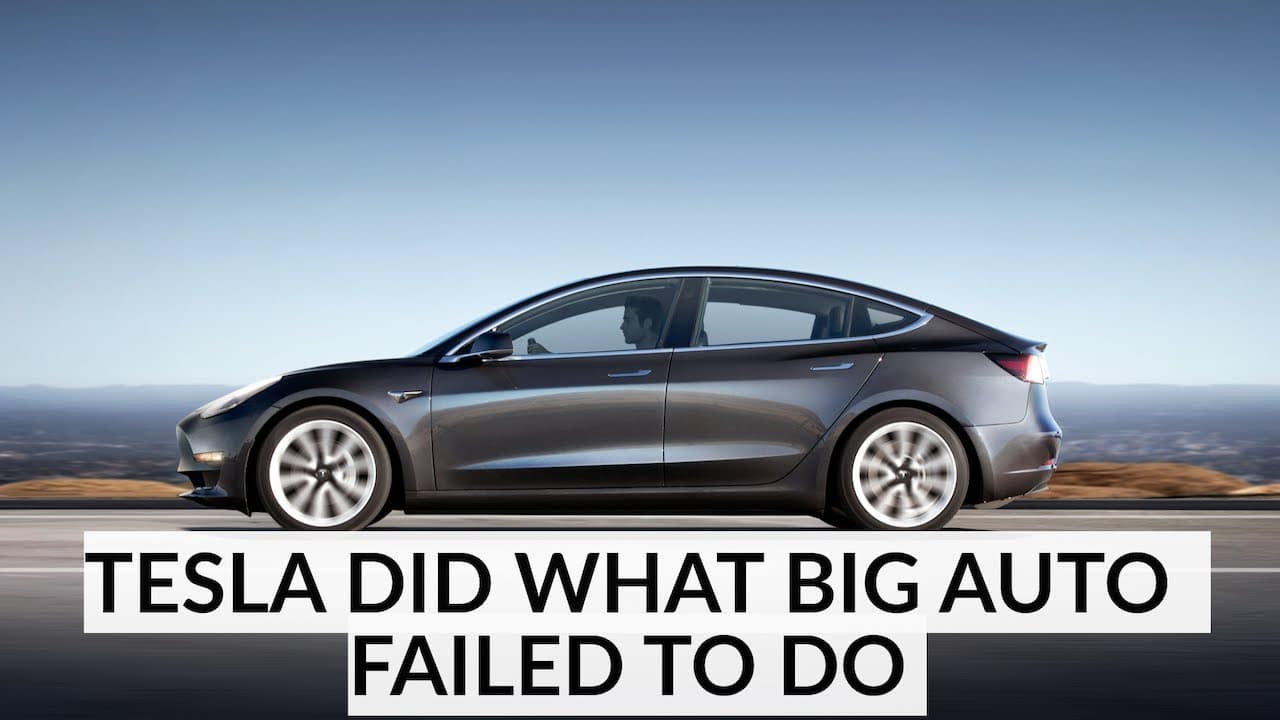
Elon Musk’s Tesla made electric cars cool by launching the all-electric Roadster, which paired a 245-mile range with 0-to-60 acceleration in 3.7 seconds. Tesla later produced 350,000 vehicles in 2018, while emissions pressure in China and Europe encouraged established automakers to invest in electric models. Read on to see why earlier electric cars struggled and how GM, Volkswagen, Ford, and Toyota responded.
Transcript
Hi, and welcome to The Bottom Line! In this video, we're going to take a closer look at the fits and starts electric vehicles have experienced over the past few decades, why some automakers are choosing to make hybrids vs. electric cars, and why all-electric vehicles are likely the future. The very first electric cars debuted in the early 1800s and... Read More
Key Insights
- 🇲🇬 Electric cars had a promising start in the early 1900s but lost momentum due to various factors, including the rise of gas-powered vehicles and low gas prices.
- 🖐️ Tesla's successful introduction of the Roadster in 2006 played a vital role in reinvigorating the electric vehicle market and making them more appealing to consumers.
- 🚙 China and Europe's efforts to reduce emissions are pushing automakers to prioritize electric vehicles and could lead to the eventual decline of hybrid vehicles.
- 🍉 Despite disagreements between automakers on the long-term viability of electric vehicles versus hybrids, both have gained significant traction as alternatives to internal combustion engines.
- 🚙 Electric vehicles are predicted to have a 7% market share in the U.S. automotive market by 2030, while hybrids are expected to have a 23% share.
- 💪 Companies like Volkswagen and GM are shifting their focus and resources towards electric vehicles, indicating a strong belief in their future.
- 🛻 Ford is exploring both electric and hybrid versions of its popular F-150 pickup truck, reflecting the ongoing debate within the industry.
Install to Summarize YouTube Videos and Get Transcripts
Explore YouTube Video Summarizer or Get YouTube Transcript Extractor
Questions & Answers
Q: How did Elon Musk and Tesla make electric cars cool?
Tesla made electric cars desirable with the all-electric Roadster in 2006. It offered a 245-mile range and accelerated from 0 to 60 in 3.7 seconds, combining practical range with strong performance.
Q: Why did early electric cars lose popularity?
Henry Ford’s mass-produced Model T debuted in 1908, and the electric starter made gas-powered automobiles more convenient. Together, these developments quickly ended the early growth of electric vehicles.
Q: Why did the electric-car revival of the 1990s struggle?
The electric cars developed after California’s 1990 zero-emissions law were expensive to produce, while models such as GM’s EV1 had a range of only about 100 miles. Gas cost less than $1.20 per gallon in California at the end of 1996, and the state’s requirements were later challenged and watered down.
Q: What did California’s 1990 zero-emissions law require?
The law said that zero-emissions vehicles had to represent 2% of the vehicles large manufacturers produced for sale in California by 1998. That requirement was scheduled to rise to 10% by 2003.
Q: How successful was Tesla after introducing the Roadster?
Tesla sold 2,400 Roadsters between 2008 and 2012. In 2018, ten years after launching the original Roadster, the company produced 350,000 vehicles and had helped electric vehicles become more mainstream.
Q: Why are automakers investing more in electric vehicles?
Consumer demand is one factor, but China and Europe are also pressuring automakers to reduce vehicle emissions. China penalizes automakers that fail to sell a minimum amount of zero-emissions vehicles, encouraging greater focus on electric models.
Q: How are GM, Volkswagen, Ford, and Toyota approaching electric and hybrid vehicles?
GM and Volkswagen said they were abandoning hybrid development to concentrate on all-electric vehicles. Ford was developing electric and hybrid versions of the F-150, while Toyota was working to add its hybrid technology to more vehicles.
Q: What market shares were electric and hybrid vehicles predicted to reach by 2030?
Some experts predicted that electric vehicles would account for 7% of the U.S. automotive market in 2030. Hybrids were predicted to take a larger 23% share.
Summary & Key Takeaways
-
Electric cars were popular in the early 1900s but lost momentum due to the mass production of gas-powered vehicles. A revival happened in the 1990s, but high production costs and low gas prices hindered their success.
-
Tesla's introduction of the all-electric Roadster in 2006 made electric cars appealing and led to their more mainstream adoption.
-
China and Europe's increased emphasis on reducing emissions is pressuring automakers to shift towards electric vehicles, with some abandoning hybrid development entirely.
Read in Other Languages (beta)
Share This Summary 📚
Summarize YouTube Videos and Get Video Transcripts with 1-Click
Try YouTube Summary with ChatGPT & Claude or YouTube Transcript Generator
Explore More Summaries from The Motley Fool 📚
Summarize YouTube Videos and Get Video Transcripts with 1-Click
Try YouTube Summary with ChatGPT & Claude or YouTube Transcript Generator