What Was the Impact of the Home Taping Is Killing Music Campaign?
TL;DR
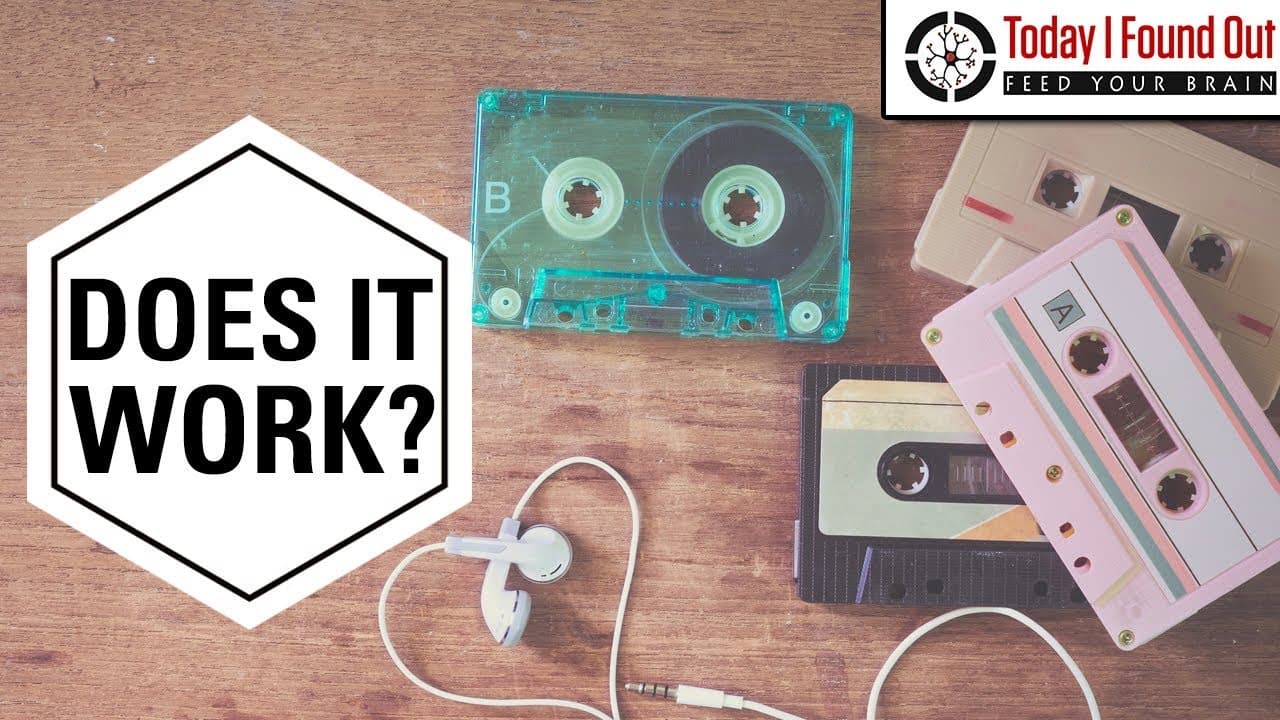
The 'Home Taping Is Killing Music' campaign launched by the British Phonographic Industry in 1981 aimed to discourage music copying on blank cassettes but ultimately failed. It appealed to consumer morality rather than legality, resulting in backlash and highlighting the difficulty in enforcing copyright laws. The campaign increased public awareness of cassette copying while fracturing the music industry's stance on personal use copies.
Transcript
In today’s era of streaming and YouTube where we as consumers have the power to pick and choose the songs we listen to and curate our own playlists, the idea of a homemade mixtape is either quaint or completely alien depending on how old you are. Go back just a few decades in the UK though and you’d find heavy-handed warnings in almost every casset... Read More
Key Insights
- ✋ The campaign failed to stop home taping, highlighting the limitations of morality campaigns in preventing copyright infringement.
- 👮 The legality of making personal copies of music has been a gray area, with variations in laws from country to country.
- 😚 The British government rejected attempts to introduce a tax on blank media to compensate for potential lost sales of musicians.
- 😒 The campaign fractured the music industry over its stance on the legality of making copies for personal use.
- 😮 Similar campaigns have emerged with the rise of new technologies that empower consumers to curate their own music and video libraries.
Install to Summarize YouTube Videos and Get Transcripts
Explore YouTube Video Summarizer or Get YouTube Transcript Extractor
Questions & Answers
Q: What was the purpose of the Home Taping Is Killing Music campaign?
The campaign aimed to discourage consumers from copying music onto blank cassette tapes by appealing to their sense of morality.
Q: How did the campaign address the issue of legality?
The advertising campaign explicitly mentioned that using the new technology to copy copyrighted material was against the law.
Q: Did the campaign succeed in stopping consumers from making copies of music?
No, despite the campaign's efforts, consumers continued to make copies of music they owned for personal and private use.
Q: How did the music industry respond to the campaign?
The campaign resulted in a push-back from consumers and musicians, with some artists even releasing tapes allowing fans to copy their songs.
Summary & Key Takeaways
-
The British Phonographic Industry (BPI) launched the Home Taping Is Killing Music campaign in 1981 to discourage consumers from copying music onto blank cassette tapes.
-
The campaign appealed to the morality of consumers rather than focusing on the legality of home taping.
-
The campaign received backlash from consumers and musicians, and it ultimately failed to prevent the copying of music.
Read in Other Languages (beta)
Share This Summary 📚
Summarize YouTube Videos and Get Video Transcripts with 1-Click
Try YouTube Summary with ChatGPT & Claude or YouTube Transcript Generator
Explore More Summaries from Today I Found Out 📚





Summarize YouTube Videos and Get Video Transcripts with 1-Click
Try YouTube Summary with ChatGPT & Claude or YouTube Transcript Generator