How the food you eat affects your gut - Shilpa Ravella
TL;DR
The food you eat significantly influences your gut health by shaping your gut microbiome. A diverse diet rich in fiber, fermented foods, and plant-based items promotes a healthy gut environment, while processed foods can lead to imbalances. Prioritizing whole foods and minimizing sugar intake is essential for optimal gut function.
Transcript
Read and summarize the transcript of this video on Glasp Reader (beta).
Install to Summarize YouTube Videos and Get Transcripts
Explore YouTube Video Summarizer or Get YouTube Transcript Extractor
Summary
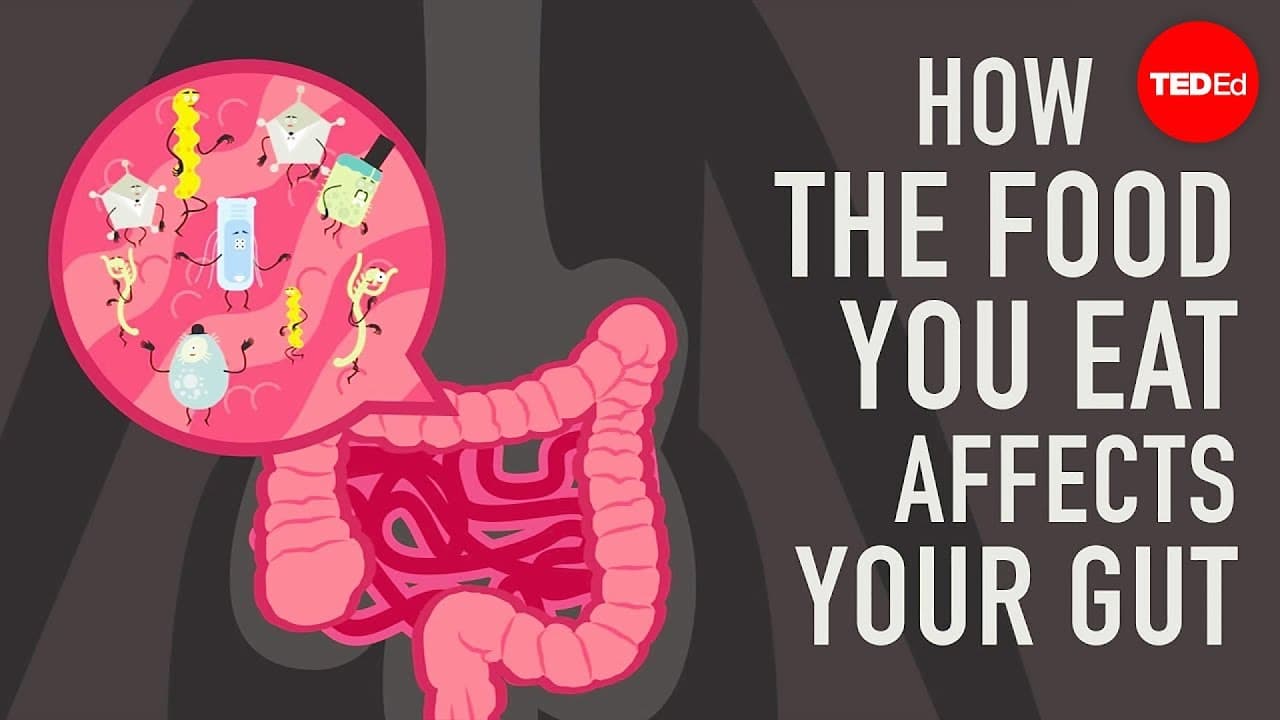
Trillions of bacteria, viruses, and fungi make up the gut microbiome, which plays a crucial role in our overall health. The bacteria in our guts help break down food, produce nutrients, regulate the immune system, and protect against harmful germs. A healthy microbiome requires a diverse range of bacterial species, and factors like environment, medications, and diet affect its balance. Dietary fiber from fruits, vegetables, nuts, legumes, and whole grains is the best fuel for gut bacteria. Fiber digestion produces short chain fatty acids that nourish the gut, improve immune function, and reduce inflammation. Low-fiber, processed foods lead to less bacterial diversity and hunger, potentially causing them to feed on the gut lining. Specific foods like fruits, vegetables, tea, coffee, red wine, and dark chocolate can increase bacterial diversity, while high-dairy fat and sugar-sweetened sodas decrease it. The way food is prepared also matters, with minimally processed and fermented foods being beneficial. However, more research is needed to fully understand how these foods interact with our microbiomes.
Questions & Answers
Q: How do bacteria in our gut contribute to our overall health?
Bacteria in our guts play essential roles such as breaking down food, producing important nutrients, regulating the immune system, and protecting against harmful germs. They form a rich ecosystem called the gut microbiome, which is crucial for our well-being.
Q: What factors can influence the balance of our gut microbiome?
Our environment, medications like antibiotics, and even our mode of delivery (C-section or not) can affect the balance of our gut microbiome. However, one of the leading influences is diet, particularly the types of food we consume.
Q: Why is dietary fiber important for a healthy gut microbiome?
Dietary fiber, found in foods like fruits, vegetables, nuts, legumes, and whole grains, is the best fuel for gut bacteria. When bacteria digest fiber, they produce short chain fatty acids that nourish the gut barrier, improve immune function, and help prevent inflammation, which lowers the risk of cancer.
Q: Can fiber intake influence the diversity of gut bacteria?
Yes, increasing fiber intake can lead to a higher colonization of fiber-digesting bacteria in the gut. It promotes a diverse range of bacterial species, which is important for a healthy microbiome.
Q: What happened in a study that compared high-fiber and high-fat diets?
In the study, rural South Africans who had a regular high-fiber diet switched to a high-fat, low-fiber Western-style diet, while African-Americans switched to a high-fiber, low-fat diet. The African group on the Western-style diet showed increased colon inflammation and a decrease in butyrate, a short chain fatty acid known for its ability to lower the risk of colon cancer. The opposite result was observed in the group on the high-fiber, low-fat diet.
Q: What happens to our gut bacteria when we eat low-fiber processed foods?
Low-fiber processed foods provide less fuel for gut bacteria, causing them to essentially starve until they die off. This leads to lower diversity and hungry bacteria, which may even resort to feeding on the mucus lining.
Q: Can specific foods impact our gut bacteria?
Yes, recent microbiome studies have shown correlations between certain foods and increased or decreased bacterial diversity. Fruits, vegetables, tea, coffee, red wine, and dark chocolate have been correlated with increased diversity due to their polyphenol content, which are naturally occurring antioxidant compounds. Conversely, high-dairy fat foods like whole milk and sugar-sweetened sodas are associated with decreased diversity.
Q: Does the way we prepare food affect our gut bacteria?
Yes, the way food is prepared can impact our gut bacteria. Minimally processed, fresh foods tend to have higher fiber content and provide better fuel for gut bacteria. Lightly steamed, sautéed, or raw vegetables are generally more beneficial than fried dishes. Additionally, fermented foods like kimchi, sauerkraut, tempeh, and kombucha introduce probiotic bacteria into the gut.
Q: How does yogurt contribute to gut health?
Yogurt is a fermented food that can introduce helpful bacteria (probiotics) into our guts. However, not all types of yogurt are equally beneficial. Brands with high sugar content and inadequate bacteria may not provide the desired health benefits.
Q: What is the current understanding of how these foods interact with our gut microbiomes?
While there are positive correlations between certain foods and changes in bacterial diversity, more research is needed to determine the exact mechanisms at play. The complexity and limited accessibility of the gut make it challenging to make direct observations and establish causation.
Takeaways
The gut microbiome, consisting of trillions of bacteria, viruses, and fungi, plays a crucial role in our digestive health. Maintaining a balanced and diverse microbiome is key to reaping the benefits they offer. While we can't control all factors influencing our gut health, we can manipulate the balance of our gut bacteria by paying attention to our diet. In particular, consuming dietary fiber from fruits, vegetables, nuts, legumes, and whole grains is essential for feeding the gut bacteria and promoting a healthy microbiome. Additionally, specific foods like fermented options such as kimchi, sauerkraut, tempeh, and yogurt may introduce beneficial probiotic bacteria. Although more research is needed to fully understand how different foods interact with our gut microbiomes, we have the power to make choices that fuel and support our gut bacteria, ultimately benefiting our overall well-being.
Read in Other Languages (beta)
Share This Summary 📚
Summarize YouTube Videos and Get Video Transcripts with 1-Click
Try YouTube Summary with ChatGPT & Claude or YouTube Transcript Generator
Explore More Summaries from TED-Ed 📚






Summarize YouTube Videos and Get Video Transcripts with 1-Click
Try YouTube Summary with ChatGPT & Claude or YouTube Transcript Generator