How Is Louisiana Protecting Its Gulf Coast Communities?
TL;DR
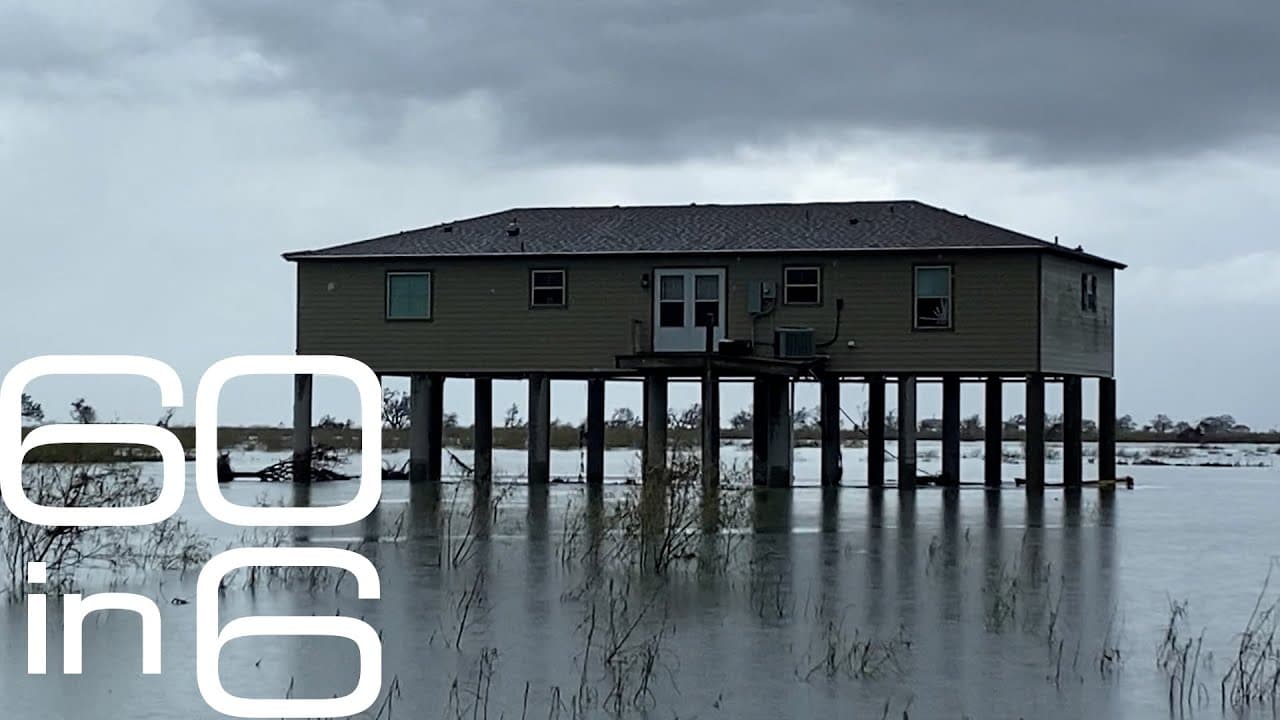
Louisiana is actively protecting its Gulf Coast communities from storm damage and rising sea levels through projects led by the Coastal Protection and Restoration Authority (CPRA). The CPRA is expanding barrier islands and nourishing vulnerable areas with sand to safeguard inland wetlands and habitats. Funding from the Deepwater Horizon oil spill has facilitated these restoration efforts, although many residents face tough decisions about rebuilding or relocating.
Transcript
in climate watch 2020 brought a record 12 named storms to the united states in louisiana where five storms made landfall this year the effects are driving people out of their homes which in some cases are already under water 60 and six correspondent enrique acevedo went to the southern coast to see how one state agency is trying to save what coastl... Read More
Key Insights
- 🥺 Louisiana's Gulf Coast has experienced a record-breaking year of storms, leading to the repeated rebuilding of homes and infrastructure.
- 🇬🇸 The Coastal Protection and Restoration Authority (CPRA) is implementing projects to protect vulnerable areas, such as expanding protective barrier islands and adding sand to nourish coastlines.
- 🇲🇭 Funding from the Deepwater Horizon oil spill is being used to restore wildlife habitats and create land and marsh in Louisiana.
- 🤢 Rising sea levels and frequent flooding are leading residents and businesses to decide whether to rebuild or retreat to higher ground.
- 😀 Climate change is causing land in Louisiana to sink, exacerbating the challenges faced by coastal communities.
- 🤢 The CPRA's efforts aim to protect inland wetlands and communities from the impacts of climate change and rising sea levels.
- 🇨🇷 Rebuilding and relocation decisions are influenced by the cost and feasibility of protecting coastal areas from future storms and flooding.
Install to Summarize YouTube Videos and Get Transcripts
Explore YouTube Video Summarizer or Get YouTube Transcript Extractor
Questions & Answers
Q: How are the effects of climate change driving people out of their homes in Louisiana?
The increased frequency of storms and rising sea levels have caused homes to be repeatedly rebuilt, leading residents to decide whether to rebuild or retreat to higher ground.
Q: What is the role of the Coastal Protection and Restoration Authority (CPRA) in protecting Louisiana's Gulf Coast?
The CPRA is working to expand protective barrier islands and add sand to nourish vulnerable areas, aiming to protect inland wetlands and communities from the effects of storms and rising sea levels.
Q: How is funding from the Deepwater Horizon oil spill being used to restore habitats and create land and marsh in Louisiana?
The funding has financed projects, such as the restoration and expansion of Queen Bess Island, to preserve wildlife habitats and offset the damage caused by the oil spill. This has resulted in the creation of thousands of acres of land and marsh.
Q: What challenges do residents and businesses on Louisiana's Gulf Coast face due to the effects of climate change?
Rising tides, sinking land, and frequent flooding pose challenges for residents and businesses, as they are forced to adapt to the changing environment and make difficult decisions about relocation and rebuilding.
Summary & Key Takeaways
-
Louisiana's Gulf Coast has experienced a record-breaking year of storms, causing homes to be repeatedly rebuilt and driving people out of their homes.
-
The Coastal Protection and Restoration Authority (CPRA) is working to expand protective barrier islands and add sand to nourish vulnerable areas in order to protect inland wetlands and communities.
-
Funding from the Deepwater Horizon oil spill has played a role in restoring wildlife habitats and creating more land and marsh.
Read in Other Languages (beta)
Share This Summary 📚
Summarize YouTube Videos and Get Video Transcripts with 1-Click
Try YouTube Summary with ChatGPT & Claude or YouTube Transcript Generator
Explore More Summaries from 60 Minutes 📚

Summarize YouTube Videos and Get Video Transcripts with 1-Click
Try YouTube Summary with ChatGPT & Claude or YouTube Transcript Generator