The Jobs Report Is In | Investor Beat - 11/8/13 | The Motley Fool
TL;DR
Investors should treat the October jobs report as an uncertain monthly estimate and focus on long-term company performance instead of trying to predict the Fed or the market’s next move. The US added 204,000 jobs, while Twitter’s IPO was priced at $26 before closing its first trading day around $44.90. Read on for the discussion of jobs data, Twitter’s valuation, and retail trends.
Transcript
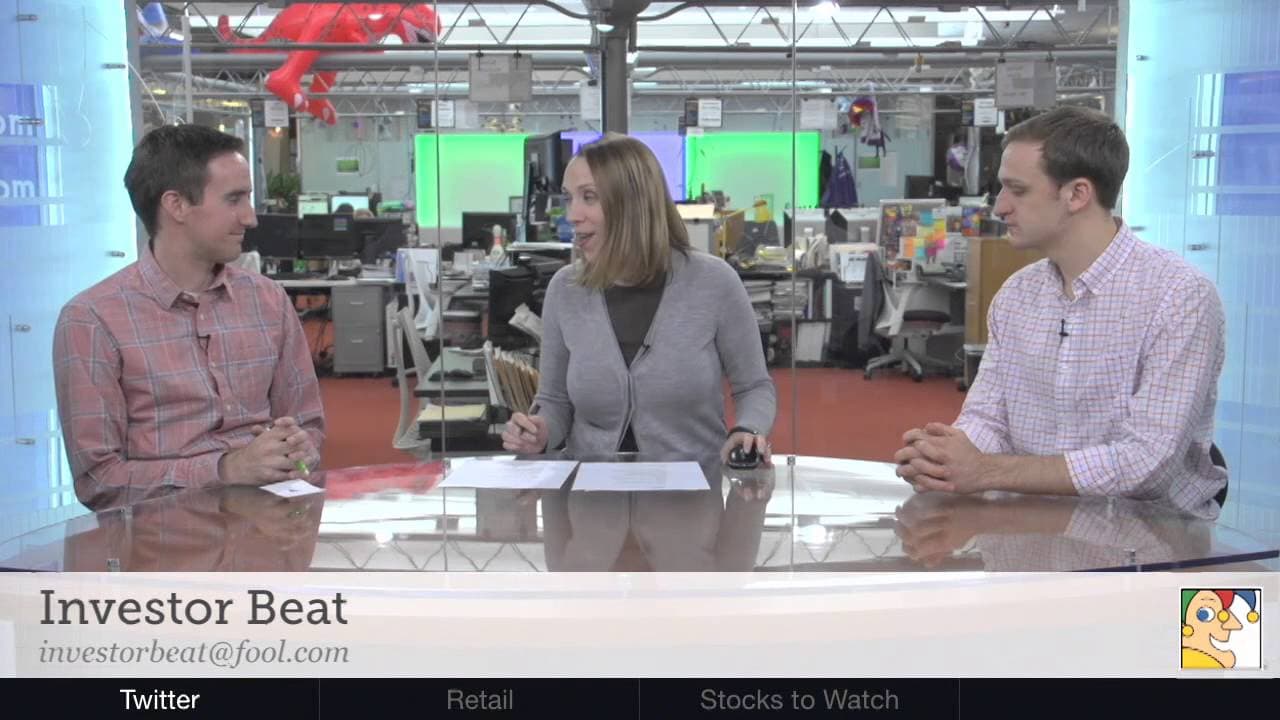
it may have been late but this jobs report was worth the wait investor beat starts now thanks for watching I'm Allison Southwick the Dow is rallying today after yesterday's biggest drop since August lifted by a better than expected jobs report joining me now in studio is Morgan howel and David Hansen analyst here at the Motley Fool so let's get bac... Read More
Key Insights
- 🛀 The jobs report showed better than expected results, but the concern now shifts to the Fed's next move.
- 😘 The low pricing of the Twitter IPO could indicate a bad IPO on the part of the bankers, as the stock went up 80% on its first day.
- 💦 Gap is performing well in the retail industry, while Abercrombie and Fitch is struggling with a significant drop in sales.
- 🈷️ Investors should focus on long-term trends rather than month-to-month figures in jobs reports.
- 🍗 Trying to predict the market's reaction to economic data is difficult as the economy is complex.
- 😘 The Twitter IPO left a billion dollars on the table due to low pricing, indicating a potential mistake by the bankers.
- 🥺 Twitter's profitability is uncertain, but its large user base and cash from the IPO could lead to future innovations.
Install to Summarize YouTube Videos and Get Transcripts
Explore YouTube Video Summarizer or Get YouTube Transcript Extractor
Questions & Answers
Q: What does the October jobs report mean for investors?
The US added 204,000 jobs in October, beating expectations and helping the Dow rally. However, the analysts advise investors not to make decisions from one monthly report or attempt to predict the Fed’s response.
Q: How closely should investors follow monthly jobs reports?
Investors should give individual monthly reports very little weight because the estimates have a large margin of error. The discussion recommends examining trends across six months, nine months, or one year instead.
Q: How reliable are the monthly job-creation estimates?
The analysts say an estimate of about 200,000 jobs can have a margin of roughly plus or minus 100,000. They also say the figure may be revised seven times over the following years, making the initial estimate an uncertain basis for investing.
Q: Should individual investors try to predict the Fed’s decisions?
No. David Hansen says the Fed will assess the data and make its own decisions, while investors should find good companies, invest in them, and hold them for the long haul.
Q: Can a strong jobs report predict the stock market’s daily direction?
No reliable day-to-day relationship is presented. The market rose after this strong report, but the analysts note that markets have also fallen after good reports and risen after bad ones.
Q: Why did Twitter’s first-day gain suggest that its IPO was priced too low?
Twitter’s IPO shares were priced at $26, began trading at $45, and closed around $44.90. Its roughly 80% first-day rise suggested to Morgan Housel that the company had left about a billion dollars on the table, indicating a poor pricing outcome by the bankers.
Q: How did Twitter’s IPO differ from Facebook’s IPO?
Twitter’s shares surged because the IPO was priced well below where the stock traded, while Facebook went public at a high price and its shares fell. From the company’s fundraising perspective, the analysts argue that Twitter’s apparently smooth debut was not necessarily the better IPO.
Q: Was Twitter considered a good investment at its post-IPO price?
David Hansen could not identify Twitter’s specific future source of profit and said its shares looked pricey, so he was not rushing to buy. Still, he noted that Twitter had many users, smart employees, and IPO cash that could support innovation over the next five to ten years.
Summary & Key Takeaways
-
The US added 204,000 jobs in October, which was a surprise but now leads to concerns about the Fed's next move.
-
The Twitter IPO went smoothly, but the low pricing may indicate a bad IPO on the part of the bankers.
-
Gap is performing well in the retail industry, while Abercrombie and Fitch is experiencing a drop in sales.
Read in Other Languages (beta)
Share This Summary 📚
Summarize YouTube Videos and Get Video Transcripts with 1-Click
Try YouTube Summary with ChatGPT & Claude or YouTube Transcript Generator
Explore More Summaries from The Motley Fool 📚

Summarize YouTube Videos and Get Video Transcripts with 1-Click
Try YouTube Summary with ChatGPT & Claude or YouTube Transcript Generator