How Japan Reacted When Hiroshima Went Silent
TL;DR
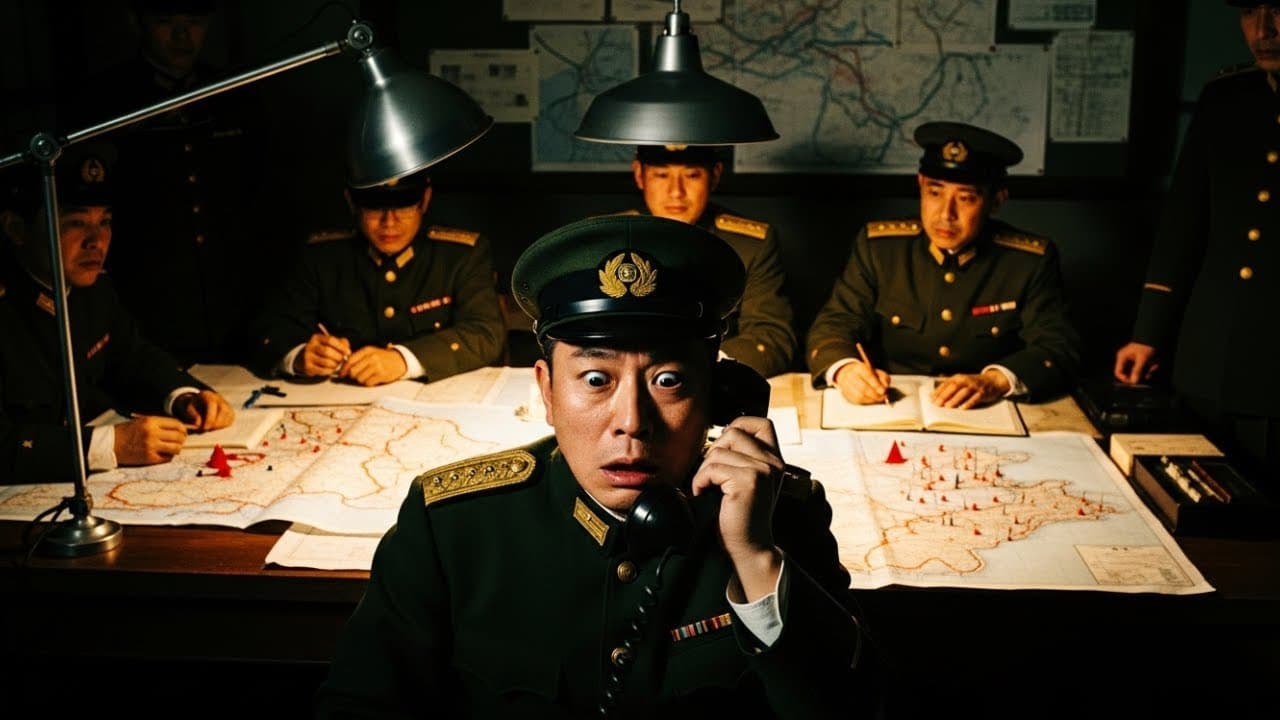
Tokyo’s high command first treated Hiroshima’s total communications blackout as equipment failure, conventional bombing, or Allied deception. Reports of one bomber, a blinding flash, a mushroom-shaped cloud, circular destruction, unusual burns, and a reconnaissance flight eventually made those explanations untenable, raising the terrifying possibility that America had deployed an atomic weapon capable of invalidating Japan’s defensive plans.
Transcript
Hiroshima stops existing at 8:15 a.m., but 500 miles away in Tokyo, they have no idea. The telephone lines go dead first. Then the radio stations, then the military bases. One by one, every connection to the city simply ends. The generals in Tokyo receive fragments of reports that don't make sense. A single plane, a flash of light, then nothing. Th... Read More
Key Insights
- Hiroshima’s silence was comprehensive: telephone lines, telegraph stations, radio broadcasts, military circuits, and emergency frequencies all stopped responding shortly after 8:15 a.m. on August 6, 1945, leaving Tokyo unable to determine what had happened through normal communications.
- The initial evidence contradicted established expectations about aerial warfare: reports mentioned only one bomber, possibly one bomb, and an immediate citywide communications failure. Japanese officers struggled to accept that such limited aircraft activity could produce destruction on that scale.
- The high command’s first explanations were conventional ones: officers suggested severed lines, a destroyed telephone exchange, a fuel-depot explosion, overwhelmed local commanders, equipment failure, or Allied psychological warfare designed to persuade Japan that its situation was hopeless.
- Railway signalmen reported extraordinary physical effects: a massive column that mushroomed at the top, fire and smoke covering the valley, and a shock wave that knocked people down 30 miles away while bending telephone poles and shattering station windows.
- Survivor injuries appeared inconsistent with ordinary fire: medical officers encountered seared skin, burns concentrated on the side facing Hiroshima, and object-shaped shadows or marks on victims. These reports became part of the evidence pointing toward an unfamiliar weapon.
- Black rain was reported beneath the mushroom cloud: witnesses described thick, oily drops that left dark stains, while one patrol officer characterized the rain as smelling wrong, chemical, and poisonous. Tokyo’s operations staff highlighted this alongside other unusual observations.
- Aerial reconnaissance revealed a circular destruction pattern: Major Qotaro saw an estimated radius of 2 km or more in which nearly everything was flattened, unlike the scattered and chaotic damage he expected from a conventional bombing raid.
- The atomic possibility threatened Japan’s entire strategy: officers familiar with Japan’s limited atomic research understood that an American success could make existing defenses ineffective and turn plans for homeland resistance into suicide, even as senior figures resisted accepting the conclusion.
Install to Summarize YouTube Videos and Get Transcripts
Explore YouTube Video Summarizer or Get YouTube Transcript Extractor
Questions & Answers
Q: Why did Tokyo initially doubt that Hiroshima was destroyed?
Tokyo’s officers had spent years tracking bombing raids, but the first reports from Hiroshima did not fit their understanding of aerial warfare. They heard that one bomber, possibly carrying one bomb, had passed over the city before every connection failed. Because they believed a single bomb could not erase a city, they considered damaged lines, equipment failure, a fuel-depot explosion, poor discipline, and enemy deception.
Q: How did Japan’s high command first learn something was wrong in Hiroshima?
The first unmistakable warning was Hiroshima’s complete communications failure. Telephone operators could not reach the city, telegraph stations stopped transmitting, radio broadcasts ended, and military bases failed to answer. Hiroshima’s main broadcasting station went off the air at 8:16 a.m., while its backup station never began operating. Repeated attempts through military, civilian, and emergency circuits produced static or dead air.
Q: What evidence suggested that one bomb had devastated Hiroshima?
Fragmentary reports repeatedly connected a single bomber with a blinding white flash and the immediate disappearance of Hiroshima’s communications. Railway personnel outside the city then described a towering mushroom-shaped cloud, widespread fire, and a powerful shock wave. Later aerial observation found a circular area approximately 2 km or more in radius where almost everything had been flattened, strengthening the single-weapon explanation.
Q: What did witnesses outside Hiroshima report after the explosion?
Railway signalmen and military patrols outside Hiroshima reported a massive column of smoke that mushroomed at the top, fire spreading across the valley, and a shock wave powerful enough to knock people down. At a station 30 miles away, witnesses saw telephone poles bend and snap and windows shatter. Other observers described intense fires, injured survivors, and black rain falling from the cloud.
Q: What unusual injuries were reported among Hiroshima survivors?
Medical officers at outer stations encountered injuries that did not resemble ordinary fire damage. Some survivors had skin described as seared or almost melted, while others were burned only on the side of the body that had faced Hiroshima. Reports also mentioned strange patterns and shadows of objects marked onto skin. These observations contributed to suspicion that an unfamiliar and exceptionally powerful weapon had been used.
Q: What did Major Sunumi Qotaro see over Hiroshima?
Major Sunumi Qotaro expected damage resembling other bombed cities, but he instead saw an almost perfectly circular destruction zone. He estimated its radius at 2 km or more, with nearly everything inside flattened. Rivers and bridges remained visible like lines across scorched ground, while smoke continued rising in a mushroom shape. The airfield was destroyed, cratered, and covered with debris and bodies, preventing a landing.
Q: Why was the possibility of an atomic bomb strategically terrifying?
Officers familiar with theoretical research understood that an American atomic weapon would invalidate Japan’s assumptions about defense. If one bomber and one bomb could silence and flatten a city, conventional interception, dispersed communications, and plans for continued homeland resistance offered little protection. The transcript states that this realization made every defensive strategy appear meaningless and every plan for homeland resistance seem suicidal.
Q: How did the Japanese high command move from denial toward acceptance?
Acceptance developed through accumulating evidence rather than a single report. Total communications silence first prompted conventional explanations. Accounts of a flash, a mushroom-shaped cloud, a 30-mile shock wave, circular destruction, unusual burns, and black rain made those explanations harder to sustain. Major Qotaro’s reconnaissance then supplied direct military observation, and physicist Yoshio Nisha reviewed the flash pattern, injuries, destruction, cloud formation, testimony, and calculations.
Summary & Key Takeaways
-
At 8:15 a.m. on August 6, 1945, Hiroshima stopped communicating with Tokyo. Telephone, telegraph, radio, and military circuits all failed. Japanese officers initially proposed familiar explanations, including damaged communications equipment, a fuel-depot explosion, poor local reporting, and enemy psychological warfare, because one bomb destroying an entire city seemed physically impossible.
-
Reports from railway signalmen and military patrols steadily undermined those conventional explanations. Witnesses described a blinding flash, a towering mushroom-shaped cloud, a shock wave felt 30 miles away, widespread fires, unusual one-sided burns, object-shaped marks on victims, and thick black rain falling from the cloud and staining everything it touched.
-
Major Sunumi Qotaro was ordered to inspect Hiroshima from the air and provide facts rather than rumors. He observed a circular destruction zone approximately 2 km or more in radius, flattened buildings, ruined runways, debris, bodies, and smoke still rising hours later. His assessment to Tokyo was stark: the city was gone.
Read in Other Languages (beta)
Share This Summary 📚
Summarize YouTube Videos and Get Video Transcripts with 1-Click
Try YouTube Summary with ChatGPT & Claude or YouTube Transcript Generator
Explore More Summaries from Untold WW2 Stories 📚

Summarize YouTube Videos and Get Video Transcripts with 1-Click
Try YouTube Summary with ChatGPT & Claude or YouTube Transcript Generator