How Did Alcatraz Occupation Change Native Rights?
TL;DR
The occupation of Alcatraz Island by Native Americans in 1969 was a pivotal moment in the Native civil rights movement, leading to policy changes that increased tribal sovereignty. This event catalyzed the Self-Determination Era, allowing Native nations more control over their governance and social services, although challenges and inequalities remain.
Transcript
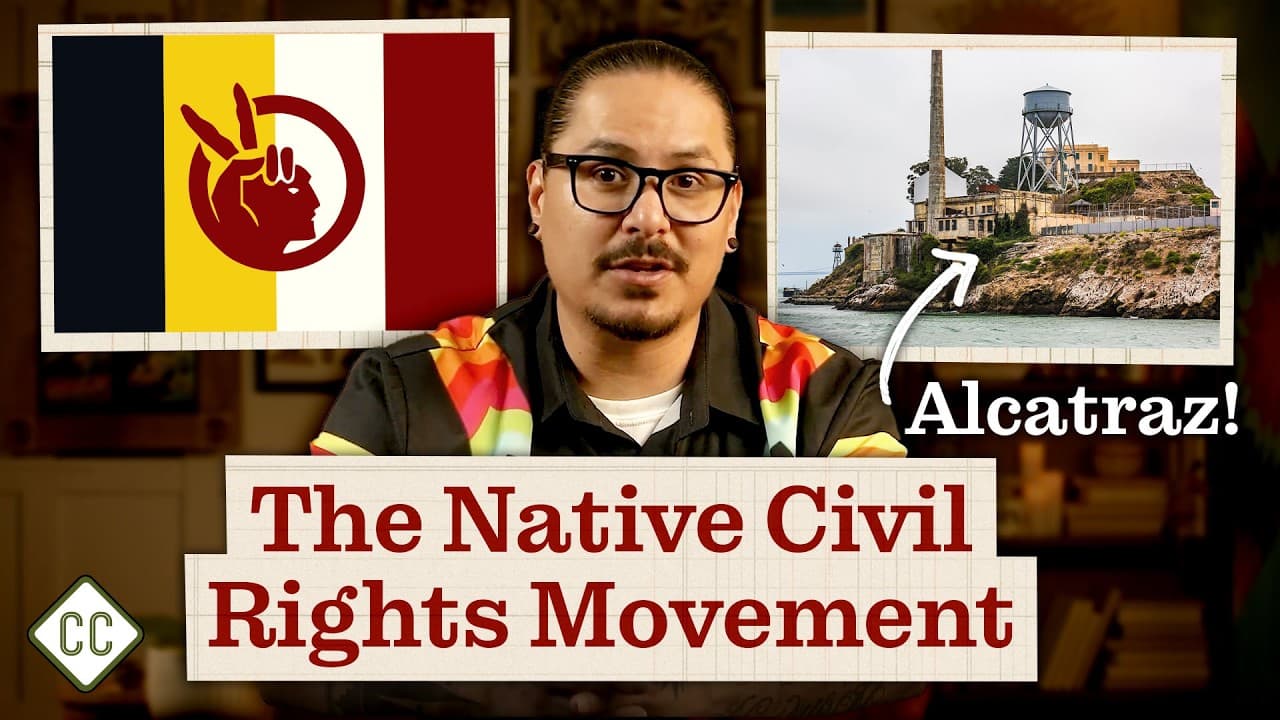
This is Alcatraz Island. The Rock. Home to America’s most infamous prison. It long stood as a symbol of confinement and inescapable fate. But it’s also a place of radical change, the site of perhaps the most important event in modern Native American history. More than a protest, it was a catalyst that helped bring the relationship between the Ameri... Read More
Key Insights
- The occupation of Alcatraz Island in 1969 was a catalyst for change in U.S.-Native American relations.
- The Self-Determination Era began in the late 1960s, marked by increased Native American activism.
- The Indian Self-Determination and Education Assistance Act of 1975 allowed tribes more control over social services.
- Self-determination policies have improved Native control over education, fostering cultural revival in schools.
- The Indian Child Welfare Act of 1978 aimed to keep Native children within their communities.
- Challenges persist, including tribes losing federal recognition and issues of corruption within the BIA.
- Amendments to self-determination laws have enhanced tribal governance over federal program funds.
- The legacy of Alcatraz continues to inspire Native activism for rights and recognition.
Install to Summarize YouTube Videos and Get Transcripts
Explore YouTube Video Summarizer or Get YouTube Transcript Extractor
Questions & Answers
Q: How did the Alcatraz occupation impact Native American rights?
The Alcatraz occupation in 1969 was a pivotal event that highlighted Native American grievances and demands for sovereignty. It led to increased awareness and catalyzed policy changes, including the Indian Self-Determination and Education Assistance Act of 1975, which granted tribes more control over their governance and social services, marking the start of the Self-Determination Era.
Q: What is the Self-Determination Era in Native American history?
The Self-Determination Era began in the late 1960s, characterized by policies that increased Native American control over their affairs. This era followed the Alcatraz occupation and was marked by the Indian Self-Determination and Education Assistance Act of 1975, allowing tribes more autonomy in governance, education, and social services, fostering cultural revival.
Q: What changes did the Indian Self-Determination Act bring?
The Indian Self-Determination and Education Assistance Act of 1975 allowed Native American tribes to assume control over federal programs that affected them, such as education and health services. This increased tribal sovereignty, enabling tribes to manage resources and services on their lands, promoting cultural preservation and self-governance.
Q: How did self-determination policies affect Native American education?
Self-determination policies allowed tribes to govern their educational institutions, leading to a cultural revival. Native languages and traditions were integrated into the curriculum, improving educational outcomes. For example, schools like Riverside Indian School shifted from assimilation tactics to teaching Native culture, enhancing students' connection to their heritage and boosting academic performance.
Q: What is the Indian Child Welfare Act?
Passed in 1978, the Indian Child Welfare Act aimed to keep Native American children within their communities. It responded to high rates of Native children being removed from their homes and placed with non-Native families. The Act prioritized placement with relatives or tribal members, supporting cultural continuity and stability for Native children.
Q: What challenges remain in the Self-Determination Era?
Despite progress, challenges in the Self-Determination Era include tribes losing federal recognition, limiting access to benefits and funding. Corruption and mismanagement within the Bureau of Indian Affairs have also been issues. Amendments to self-determination laws aim to enhance oversight and governance, but disparities and unrecognized treaties persist.
Q: How have amendments improved self-determination policies?
Amendments to self-determination policies have strengthened tribal governance over federal program funds, ensuring better oversight and management. These amendments have established Tribal Self-Governance as a permanent program, allowing tribes more control over how funds are spent, promoting transparency and accountability in the administration of tribal programs.
Q: What is the legacy of the Alcatraz occupation?
The Alcatraz occupation's legacy is its role in sparking the Native civil rights movement and leading to significant policy changes in U.S.-Native American relations. It inspired ongoing activism for Native rights and sovereignty, highlighting the importance of self-determination and cultural preservation, and continues to motivate efforts for justice and recognition today.
Summary & Key Takeaways
-
The 1969 Alcatraz occupation by Native Americans was a significant protest that led to the Self-Determination Era, changing how the U.S. government interacted with Native nations. This era is defined by increased tribal sovereignty and control over social services, though challenges like unrecognized treaties and BIA corruption persist.
-
The Indian Self-Determination and Education Assistance Act of 1975 allowed tribes greater autonomy over governance and education. This shift enabled cultural revival in schools, with Native languages and traditions becoming integral to the curriculum, which improved educational outcomes for Native youth.
-
Despite progress in self-determination, issues remain, such as tribes losing federal recognition, which limits access to benefits. Amendments have been made to improve oversight and governance, but the struggle for full recognition and equitable treatment continues, inspired by the legacy of the Alcatraz occupation.
Read in Other Languages (beta)
Share This Summary 📚
Summarize YouTube Videos and Get Video Transcripts with 1-Click
Try YouTube Summary with ChatGPT & Claude or YouTube Transcript Generator
Explore More Summaries from CrashCourse 📚






Summarize YouTube Videos and Get Video Transcripts with 1-Click
Try YouTube Summary with ChatGPT & Claude or YouTube Transcript Generator