What Is the Microbiome and Why Is It Important for Health?
TL;DR
The microbiome consists of microorganisms that play a crucial role in human health, dating back to discoveries made in the 1600s. Advances in sequencing technology enable detailed study of the microbiome, revealing that low gut microbiota diversity is linked to poor outcomes in stem cell transplant patients. Understanding and manipulating the microbiome can significantly improve health outcomes.
Transcript
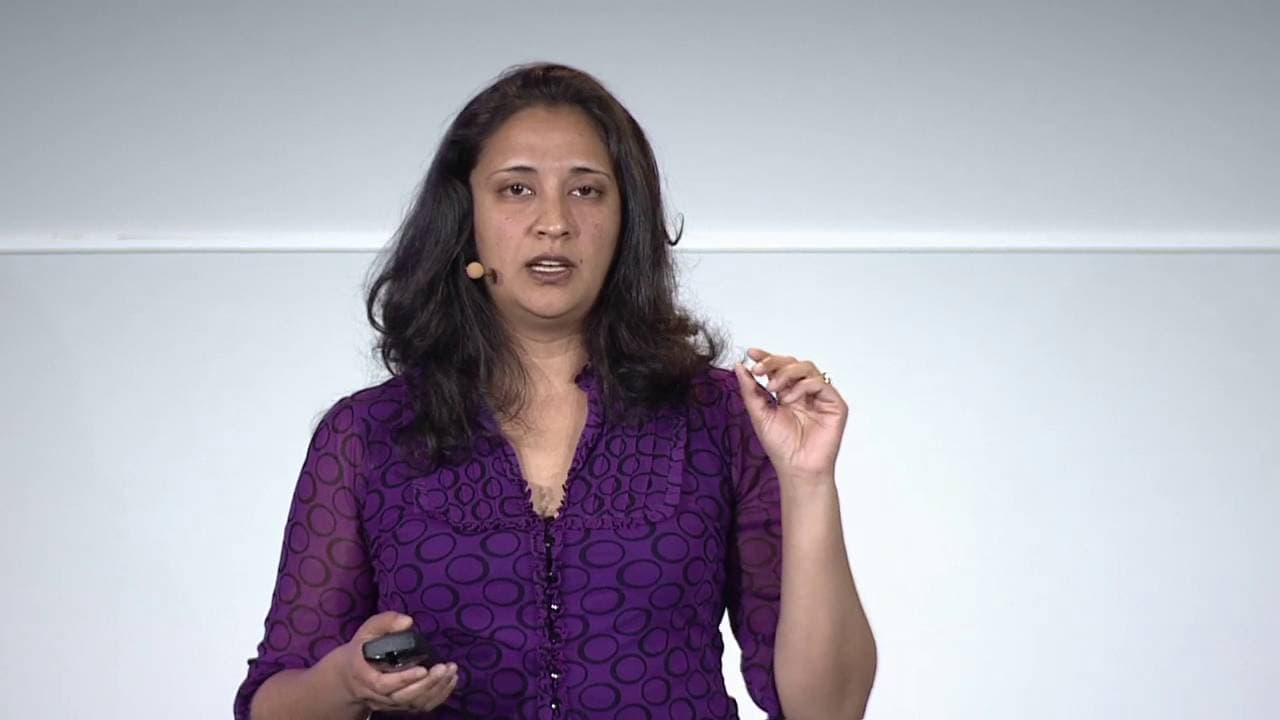
good morning everyone I think it's only fitting that I get to speak after we just heard about bio banking you can imagine what we bio bank so the title of my talk is translating metagenomics and I'm going to speak to you a little bit about the history the topic of the microbiome and try to set the stage for the two experts who will follow me so fir... Read More
Key Insights
- 🧑🤝🧑 The microbiome has a long history, dating back to the 1600s, but significant advancements in sequencing technology have revolutionized our understanding.
- 🤩 Robert Koch and Louis Pasteur played key roles in establishing the perception of microbes as harmful.
- 😘 Low diversity in the gut microbiota is associated with poor survival rates in stem cell transplant patients.
- 😃 Measuring, modeling, and intervening are crucial steps in using big data to improve health outcomes related to the microbiome.
- 〽️ Interventions for altering the microbiota include antibiotics, probiotics, fecal microbiota transplantation, and prebiotics.
- 🧑⚕️ Understanding the microbiome and its impact on health has the potential to save lives and improve outcomes for patients undergoing stem cell transplantation.
- 🔨 Computational pipelines and models are essential tools for analyzing and interpreting microbiome data.
Install to Summarize YouTube Videos and Get Transcripts
Explore YouTube Video Summarizer or Get YouTube Transcript Extractor
Questions & Answers
Q: What role did Robert Koch and Louis Pasteur play in our understanding of bacteria?
Robert Koch and Louis Pasteur contributed significantly to the field of microbiology. Koch developed Koch's postulates, a set of criteria to determine the causative agent of a disease. Pasteur, known for his work in pasteurization, also made important contributions to microbiology and is credited with the discovery of penicillin.
Q: How does low gut microbiota diversity affect survival rates in stem cell transplant patients?
Research has shown that stem cell transplant patients with low diversity in their gut microbiota have poorer survival rates. Higher diversity is associated with better outcomes. Understanding the role of gut microbiota in transplantation could lead to interventions that improve patient outcomes.
Q: What are some ways to alter the microbiota?
There are several approaches to altering the microbiota. Antibiotics are commonly used, but other therapies include probiotics (live microbial therapies) and fecal microbiota transplantation. Additionally, prebiotics, which are specific foods that promote the growth of beneficial microbes, can also be used to alter the microbiota.
Q: How can big data be used to improve health outcomes in relation to the microbiome?
Big data can help researchers move beyond just identifying associations between the microbiome and health and towards establishing causal relationships. By measuring the microbiome, modeling its interactions, and intervening through various therapies, researchers can use big data to improve health outcomes.
Summary & Key Takeaways
-
The microbiome has been studied since the 1600s, when Anton van Leeuwenhoek discovered various microorganisms using a microscope.
-
Robert Koch and Louis Pasteur played important roles in establishing the germ theory and shaping our perception of microbes as harmful.
-
Advances in sequencing technology have allowed researchers to study the microbiome in great detail, leading to efforts to improve health outcomes by influencing the microbiome.
Read in Other Languages (beta)
Share This Summary 📚
Summarize YouTube Videos and Get Video Transcripts with 1-Click
Try YouTube Summary with ChatGPT & Claude or YouTube Transcript Generator
Explore More Summaries from Stanford 📚



Summarize YouTube Videos and Get Video Transcripts with 1-Click
Try YouTube Summary with ChatGPT & Claude or YouTube Transcript Generator