OBSOLETE NECESSITY: Do we still need the stethoscope?
TL;DR
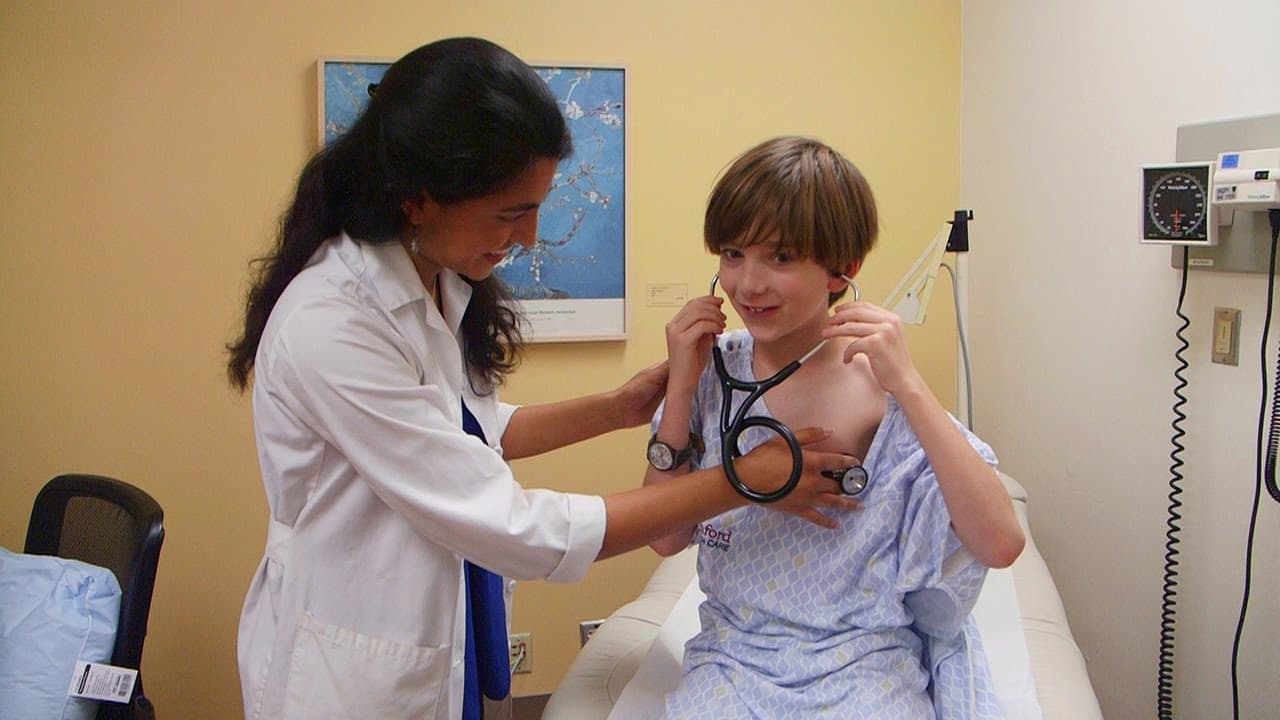
Despite advancements in technology like pocket ultrasounds, the stethoscope remains essential in medical practice. It serves not only as a diagnostic tool but also as a trusted symbol of the physician-patient relationship. In many areas with limited access to advanced equipment, the stethoscope continues to be invaluable for providing care.
Transcript
[HOPEFUL MUSIC PLAYS] I think one of the nice things about the stethoscope is that you really can't use this tool without getting quite close to the patient, and there's something quite intimate about putting this on yourself, and then putting it on the patient's body. It was invented first in 1816 by René Laennec, and it was a much simpler instrum... Read More
Key Insights
- 👂 The stethoscope revolutionized medical diagnosis by allowing doctors to listen to internal sounds without invasive procedures.
- 😨 Point of care ultrasound is emerging as a potential replacement for the stethoscope due to its ability to provide more information.
- 😷 The stethoscope remains valuable in areas where advanced medical equipment is not readily available.
Install to Summarize YouTube Videos and Get Transcripts
Explore YouTube Video Summarizer or Get YouTube Transcript Extractor
Questions & Answers
Q: How did the stethoscope revolutionize medical diagnosis?
The stethoscope allowed doctors to listen to internal sounds without invasive procedures, becoming the first non-invasive tool for diagnosing internal conditions.
Q: Is the stethoscope still widely used by doctors?
Yes, despite the availability of newer technologies, many doctors still find the stethoscope extremely valuable and use it daily in their practice.
Q: What is the most talked-about technology that could replace the stethoscope?
Point of care ultrasound, also known as bedside ultrasound, is seen as a potential replacement for the stethoscope due to its ability to provide more comprehensive information.
Q: Why is the stethoscope considered a symbol of trust in the medical field?
A study showed that when individuals wearing different medical instruments were rated for trustworthiness based on appearance, those with stethoscopes were considered the most trustworthy.
Summary
In this video, the speaker discusses the significance of the stethoscope as both a diagnostic tool and a symbol in the medical field. They explain the history of the stethoscope, its role in non-invasive diagnostics, and its impact on the doctor-patient relationship. The speaker also mentions the advancements in technology, particularly point of care ultrasound, that are potentially replacing the stethoscope. However, they emphasize the current value and portability of the stethoscope, making it an essential tool in many parts of the world.
Questions & Answers
Q: When was the stethoscope invented and what was its initial design?
The stethoscope was invented in 1816 by René Laennec. Initially, it was just a hollow tube that Laennec put his ear to, using the other end on the patient's chest or abdomen to listen to internal sounds. This simple design allowed for the non-invasive exploration of the body, preceding X-ray technology.
Q: How did the stethoscope become a symbol for physicians?
The stethoscope gained its symbolic significance when physicians started carrying it in their pockets. Its presence signaled that the physician was dedicated to making anatomical or clinical diagnoses. As a result, it became a recognized symbol of commitment and professionalism in the medical field.
Q: Is the stethoscope solely a diagnostic tool?
While the stethoscope is primarily used as a diagnostic tool, it holds a deeper symbolic meaning. It serves as a way to build trust and rapport between the doctor and the patient. The act of using the stethoscope on a patient is an intimate gesture that signifies the physician's commitment to their well-being.
Q: Are there technological advancements that might replace the stethoscope?
There are multiple technologies, with point of care ultrasound being the most talked about, that are believed to have the potential to replace the stethoscope. Portable ultrasound machines are becoming more widely used and are capable of providing more detailed information than the stethoscope. However, the portability and ease of use of the stethoscope still make it a valuable tool in areas where such advanced technology is not readily available.
Q: How has the speaker's reliance on the stethoscope changed over time?
The speaker acknowledges that with the availability of more technology, they do not rely on the stethoscope as heavily as before. However, they still find it extremely valuable in their practice on a daily basis. The speaker recognizes the additional information that technologies provide but still appreciates the convenience and reliability of the stethoscope.
Q: Will the stethoscope eventually become obsolete?
It is possible that the need for a stethoscope will be completely eliminated at some point in the future. While current advancements in technology are impressive, they are not as portable and easy to use as a stethoscope. The speaker believes that the stethoscope's value and practicality make it unlikely to be replaced anytime soon.
Q: Does the stethoscope play a unique role in the doctor-patient relationship?
Yes, the stethoscope holds a unique position in medical interactions, as it involves touch between the doctor and the patient. In a field where many procedures are non-hands-on, the act of using the stethoscope becomes one of the few occasions where physical contact occurs. This creates a sense of trust and reassurance for the patient.
Q: Are there any studies that highlight the impact of the stethoscope on trustworthiness?
Yes, there was a study conducted where actors were dressed as healthcare professionals and were shown to an audience, who were then asked to rate their trustworthiness based on appearance. The results revealed that the presence of a stethoscope on an individual had the most significant impact, making it the most trust-inducing piece of medical equipment.
Takeaways
The stethoscope remains an invaluable tool in medicine, serving as both a diagnostic device and a symbol of the physician's commitment. While advancements in technology may eventually reduce its reliance, the stethoscope's portability and ease of use make it indispensable, especially in resource-constrained areas. Furthermore, its role in establishing trust and developing a rapport with patients is unique and cannot be easily replaced by other medical tools.
Summary & Key Takeaways
-
The stethoscope was invented in 1816 by René Laennec as a simple hollow tube that allowed doctors to listen to sounds inside the body without invasive procedures.
-
It was the first non-invasive tool for diagnosing internal conditions, predating X-rays.
-
While newer technologies like pocket ultrasounds offer more information, the stethoscope remains valuable and affordable in areas where advanced equipment is not readily available.
Read in Other Languages (beta)
Share This Summary 📚
Summarize YouTube Videos and Get Video Transcripts with 1-Click
Try YouTube Summary with ChatGPT & Claude or YouTube Transcript Generator
Explore More Summaries from Stanford 📚






Summarize YouTube Videos and Get Video Transcripts with 1-Click
Try YouTube Summary with ChatGPT & Claude or YouTube Transcript Generator