How Does Blockchain and Crypto Impact Real Estate Transactions?
TL;DR
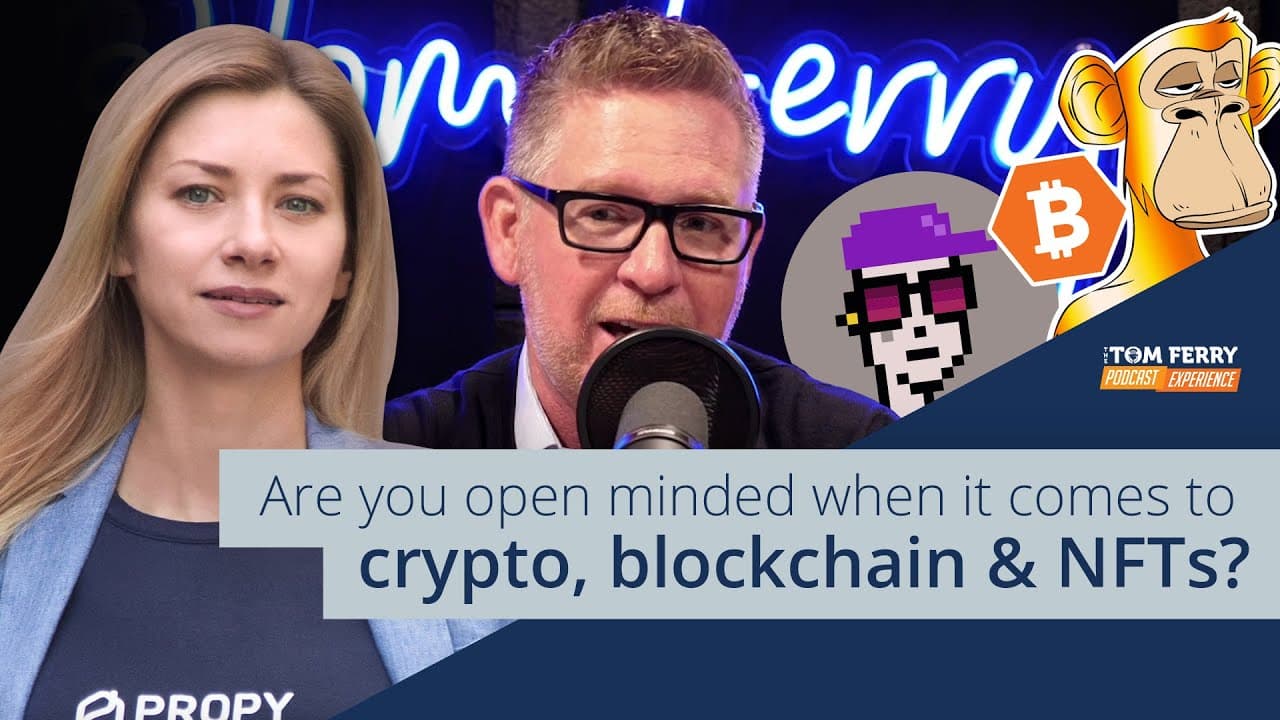
Blockchain and cryptocurrency are revolutionizing real estate transactions by offering immutable records and enabling smart contracts, thus attracting crypto-savvy investors. NFTs (non-fungible tokens) allow properties to be tokenized, providing proof of ownership and potential royalties on future sales. Additionally, the metaverse offers new virtual real estate opportunities, making it essential for agents to understand these technologies to stay relevant.
Transcript
hey welcome back to the podcast thank you so much for listening as always if you have not liked commented or subscribed to any one of my channels it would just mean the world to me if you would uh today's going to be a different show not unlike this week in housing where i'm trying to bring you data and news to empower you to educate you so you can... Read More
Key Insights
- Blockchain technology is gaining traction in real estate, offering immutable records and potential for smart contracts, which can streamline transactions.
- Cryptocurrency millionaires are interested in diversifying into real estate, creating opportunities for agents who understand crypto transactions.
- NFTs in real estate allow for properties to be tokenized, offering proof of ownership and potential for royalty fees on secondary sales.
- The metaverse is emerging as a new virtual space where real estate transactions could occur, offering new revenue streams for agents.
- Understanding wallets and the basics of cryptocurrency is crucial for real estate agents to effectively engage with crypto-savvy clients.
- The volatility of cryptocurrencies like Bitcoin and Ethereum does not directly affect NFTs tied to real estate, as the underlying asset is the property itself.
- The metaverse could become the new social media, where virtual real estate and digital interactions play a significant role in social and business activities.
- Agents should start familiarizing themselves with blockchain and crypto concepts to stay relevant in the evolving real estate landscape.
Install to Summarize YouTube Videos and Get Transcripts
Explore YouTube Video Summarizer or Get YouTube Transcript Extractor
Questions & Answers
Q: What is a smart contract in real estate?
A smart contract in real estate is a self-executing code that facilitates, verifies, or enforces the negotiation or performance of a contract. It can automate the transfer of ownership from one party to another without the need for manual intervention, making transactions more efficient and secure.
Q: How does blockchain technology impact real estate transactions?
Blockchain technology provides an immutable ledger for recording real estate transactions, ensuring transparency and security. It can replace traditional county recording systems and reduce the risk of fraud and errors, potentially eliminating the need for title insurance.
Q: What are the potential benefits of NFTs in real estate?
NFTs offer proof of ownership, the possibility of earning royalties on secondary sales, and the ability to use the NFT as collateral for loans. They also streamline the transaction process by providing all necessary property information upfront, reducing the time and effort required for due diligence.
Q: How can real estate agents prepare for the rise of cryptocurrency in the industry?
Agents should educate themselves on cryptocurrency basics, including understanding wallets and major coins like Bitcoin and Ethereum. They should also familiarize themselves with crypto jargon and explore platforms that facilitate crypto-to-dollar and crypto-to-crypto transactions to better serve crypto-savvy clients.
Q: What role does the metaverse play in the future of real estate?
The metaverse offers a virtual space where real estate transactions and social interactions can occur. It presents new revenue opportunities for agents who understand virtual real estate and can navigate these digital environments, potentially becoming a new form of social media.
Q: Why is it important for agents to understand blockchain and crypto?
Understanding blockchain and crypto is essential for agents to engage with a growing segment of the market interested in these technologies. It allows them to offer innovative solutions, attract crypto investors, and stay competitive in an evolving industry.
Q: What are some challenges associated with blockchain in real estate?
Challenges include the need for widespread adoption of blockchain technology, potential regulatory hurdles, and ensuring the security of digital assets. There is also a learning curve for agents and consumers to understand and trust these new systems.
Q: How can agents leverage NFTs for real estate transactions?
Agents can leverage NFTs by tokenizing properties, providing a digital proof of ownership that can be easily transferred. This can attract tech-savvy buyers and streamline the transaction process, offering a new way to market and sell properties in the digital age.
Summary & Key Takeaways
-
Blockchain and cryptocurrency are becoming increasingly relevant in real estate, offering new ways to record transactions and engage with clients. Understanding these technologies is crucial for agents.
-
NFTs provide a new way to tokenize real estate, offering proof of ownership and potential for royalties on future sales. This could streamline transactions and attract crypto investors.
-
The metaverse presents new opportunities for virtual real estate and social interaction. Agents should explore this space to understand its potential impact on the industry.
Read in Other Languages (beta)
Share This Summary 📚
Summarize YouTube Videos and Get Video Transcripts with 1-Click
Try YouTube Summary with ChatGPT & Claude or YouTube Transcript Generator
Explore More Summaries from Tom Ferry 📚



Summarize YouTube Videos and Get Video Transcripts with 1-Click
Try YouTube Summary with ChatGPT & Claude or YouTube Transcript Generator