What Was Dance Mania and Why Did It Happen?
TL;DR
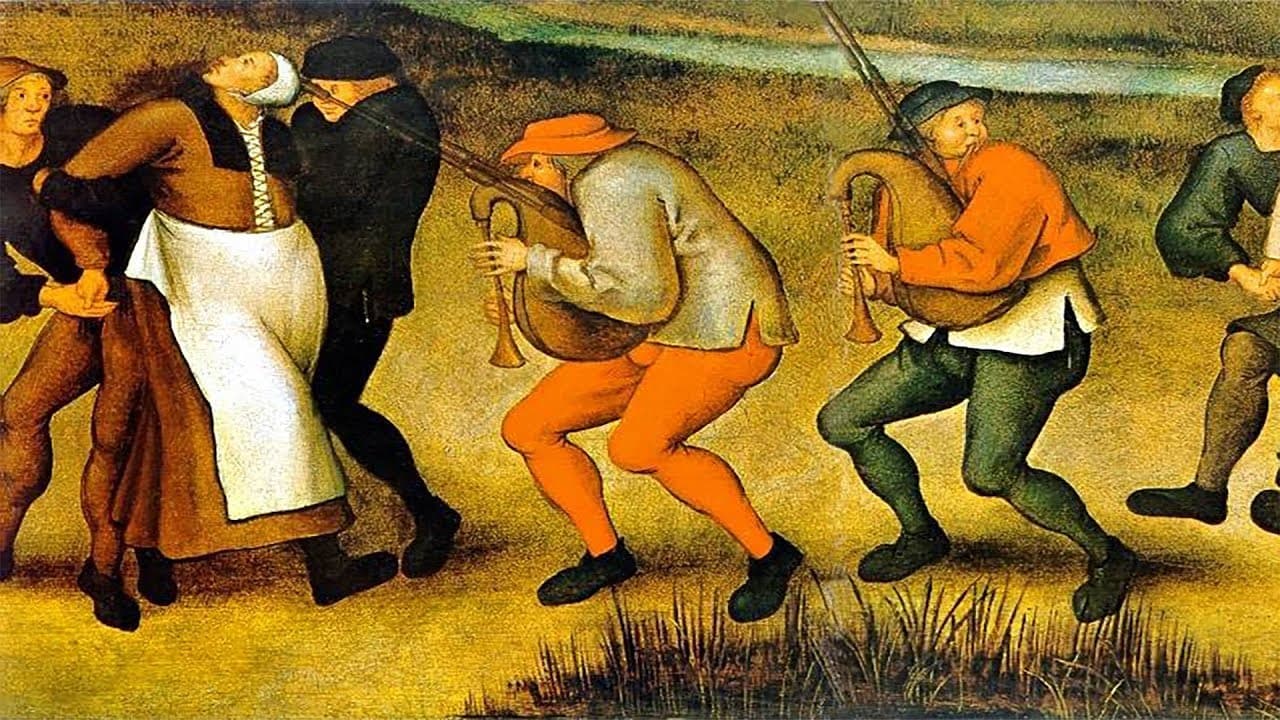
Dance mania, a historical phenomenon, involved groups of people dancing uncontrollably, sometimes leading to death. These outbreaks, influenced by stress, social pressure, and cultural beliefs in curses, peaked during times of hardship. The mass hysteria acted as a coping mechanism for individuals overwhelmed by societal anxieties and crises.
Transcript
about today we are talking about the Forgotten plague and it was surprisingly deadly of dance mania which was a real thing when you when I saw the title for this one I was like this has got to be a modern thing right like dance mania even sounds super modern sounds like sounds like a joke quite quite nasty waste like exhaustion it sounds like one o... Read More
Key Insights
- ✋ Dance mania outbreaks were more prevalent during times of high stress, such as famine, epidemics, or societal unrest.
- 💃 Dance mania seemed to provide a cathartic release for individuals who felt overwhelmed by social pressures and anxieties.
- 🖐️ Belief in curses, demonic possession, and traditional rituals played a significant role in the treatment of dance mania.
- 🧑⚕️ Dance mania outbreaks gradually declined as societal beliefs and understanding of mental health improved.
Install to Summarize YouTube Videos and Get Transcripts
Explore YouTube Video Summarizer or Get YouTube Transcript Extractor
Questions & Answers
Q: What caused people to start dancing uncontrollably during dance mania outbreaks?
Dance mania outbreaks were often triggered by high levels of stress, famine, and societal pressures. People believed they were cursed or possessed, which led to the uncontrollable dancing.
Q: How did the authorities try to cure people affected by dance mania?
In some cases, people affected by dance mania were taken to shrines or chapels dedicated to St. Vitus or other patron saints of dance. They performed rituals such as putting a cross in their hands and using holy water, which seemed to cure them temporarily.
Q: Were there any long-term effects on individuals who experienced dance mania?
There is limited information about the long-term effects on individuals who experienced dance mania. However, once the outbreaks ended, the affected individuals generally returned to normal.
Q: Why were women and children often more affected by dance mania than men?
Women and children were more likely to experience dance mania due to their lower social status, higher stress levels, and limited control over their lives. Dance mania provided an outlet for them to express their anxieties and frustrations.
Summary & Key Takeaways
-
Dance mania, or the dance plague, was a phenomenon where people would dance frantically and uncontrollably, often resulting in death.
-
The earliest known instance of dance mania dates back to the 7th century, with many documented cases in the 14th and 16th centuries.
-
Stress, social pressure, and a belief in curses or demonic possession seem to be the main factors behind dance mania outbreaks.
Read in Other Languages (beta)
Share This Summary 📚
Summarize YouTube Videos and Get Video Transcripts with 1-Click
Try YouTube Summary with ChatGPT & Claude or YouTube Transcript Generator
Explore More Summaries from Today I Found Out 📚





Summarize YouTube Videos and Get Video Transcripts with 1-Click
Try YouTube Summary with ChatGPT & Claude or YouTube Transcript Generator