How Is AI Changing Music Creation and Songwriting?
TL;DR
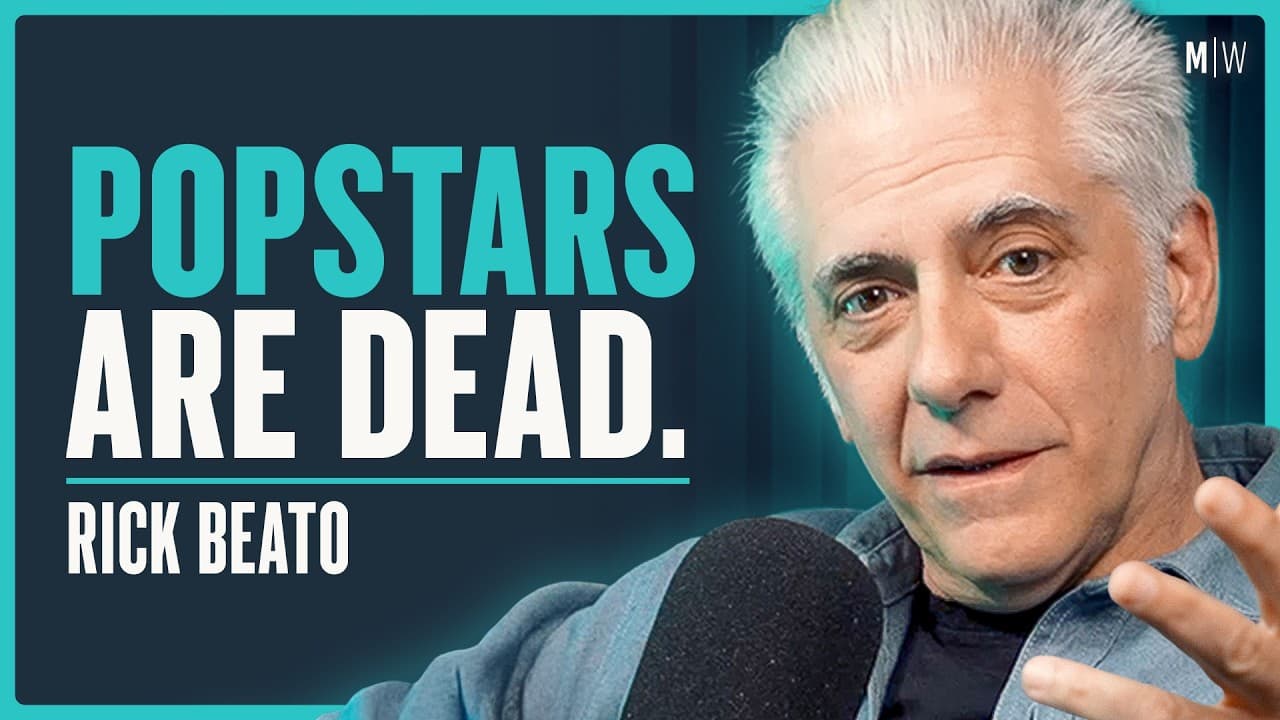
AI is transforming music creation by allowing for the generation of songs and the emergence of virtual artists, raising questions about authenticity in songwriting. With platforms like TikTok playing a vital role in promoting music, artists must now excel in social media skills to succeed, as traditional methods of music promotion decline.
Transcript
Read and summarize the transcript of this video on Glasp Reader (beta).
Key Insights
- The music industry is seeing a shift from traditional songwriting to a more collaborative and digital approach, with many pop songs now being created by teams of professional songwriters and producers.
- AI is becoming a significant player in the music industry, with AI-generated music being integrated into playlists and even creating fictional bands with significant followings.
- The rise of social media platforms like TikTok has drastically changed how music is promoted and consumed, with viral moments on these platforms often determining a song's success.
- Country music is experiencing a surge in popularity, partly due to its evolving sound that incorporates pop music elements, making it more appealing to a broader audience.
- Live performances have become a crucial revenue stream for artists, as streaming platforms often do not provide sufficient income from plays alone.
- The concept of a 'pop star' is evolving, with artists now needing to be skilled in self-promotion and social media to build and maintain their careers.
- There is concern over the ethics of AI in music, particularly regarding copyright and the authenticity of music created by AI versus human artists.
- Spotify's role in the music industry is complex, with its algorithmic curation and compensation structures often criticized by artists, yet it remains an essential platform for music distribution.
Install to Summarize YouTube Videos and Get Transcripts
Explore YouTube Video Summarizer or Get YouTube Transcript Extractor
Questions & Answers
Q: What is the impact of AI on the music industry?
AI is increasingly influencing the music industry by generating music and creating fictional bands that gain significant followings. This raises ethical concerns about authenticity and copyright, as AI can produce music that competes directly with human artists. The industry is exploring how to integrate AI while protecting artists' rights.
Q: How has TikTok changed the way music is promoted?
TikTok has transformed music promotion by providing a platform where songs can go viral, often determining their success. Artists and producers now create music with the potential for TikTok virality in mind, aiming for moments that can be easily shared and replicated on the platform to reach a wider audience.
Q: Why is country music becoming more popular?
Country music is gaining popularity because it has evolved to include more pop music elements, making it more accessible to a broader audience. This genre crossover, combined with effective marketing and social media strategies, has expanded country music's appeal beyond its traditional fan base.
Q: What role does live performance play in an artist's income?
Live performances are a crucial revenue stream for artists, as income from streaming platforms often falls short of sustaining a career. Touring and live shows provide significant financial opportunities, allowing artists to connect with audiences directly and generate income from ticket sales and merchandise.
Q: How are pop stars adapting to changes in the music industry?
Pop stars are adapting by becoming more involved in self-promotion and social media engagement. The traditional model of relying solely on record labels for success is shifting, with artists now needing to build personal brands and engage directly with fans through platforms like Instagram and TikTok to maintain relevance.
Q: What are the ethical concerns surrounding AI in music?
Ethical concerns about AI in music include issues of authenticity, copyright, and the potential for AI to replace human creativity. There is debate over whether AI-generated music should be copyrighted and how to ensure that artists are fairly compensated when AI can produce similar or competitive content.
Q: What criticisms do artists have about Spotify?
Artists often criticize Spotify for its compensation model, which many feel does not fairly compensate them for streams. Additionally, the shift towards algorithmic curation over human-curated playlists has raised concerns about the fairness and transparency of how music is promoted on the platform.
Q: What might the future of music monetization look like?
The future of music monetization could involve the use of blockchain technology to verify the authenticity of music and ensure fair compensation for artists. This technology could help address issues related to AI-generated music and provide a transparent system for tracking and distributing royalties.
Summary & Key Takeaways
-
The music industry has evolved significantly with the rise of AI and streaming platforms, changing how music is created and consumed. AI-generated music is becoming more common, raising questions about authenticity and copyright. Social media platforms like TikTok play a crucial role in a song's success.
-
Country music's popularity is growing as it incorporates more pop elements, while live performances have become a vital income source for artists. The traditional pop star model is shifting, with artists needing to be adept at self-promotion and social media engagement to succeed.
-
Spotify remains a central player in music distribution, but its algorithmic curation and compensation practices are often criticized. The future of music monetization may involve blockchain technology to ensure authenticity and fair compensation for artists in the face of AI competition.
Read in Other Languages (beta)
Share This Summary 📚
Summarize YouTube Videos and Get Video Transcripts with 1-Click
Try YouTube Summary with ChatGPT & Claude or YouTube Transcript Generator
Explore More Summaries from Chris Williamson 📚
Summarize YouTube Videos and Get Video Transcripts with 1-Click
Try YouTube Summary with ChatGPT & Claude or YouTube Transcript Generator