How Did Taiwan Control Covid-19 Before 2021 Surge?
TL;DR
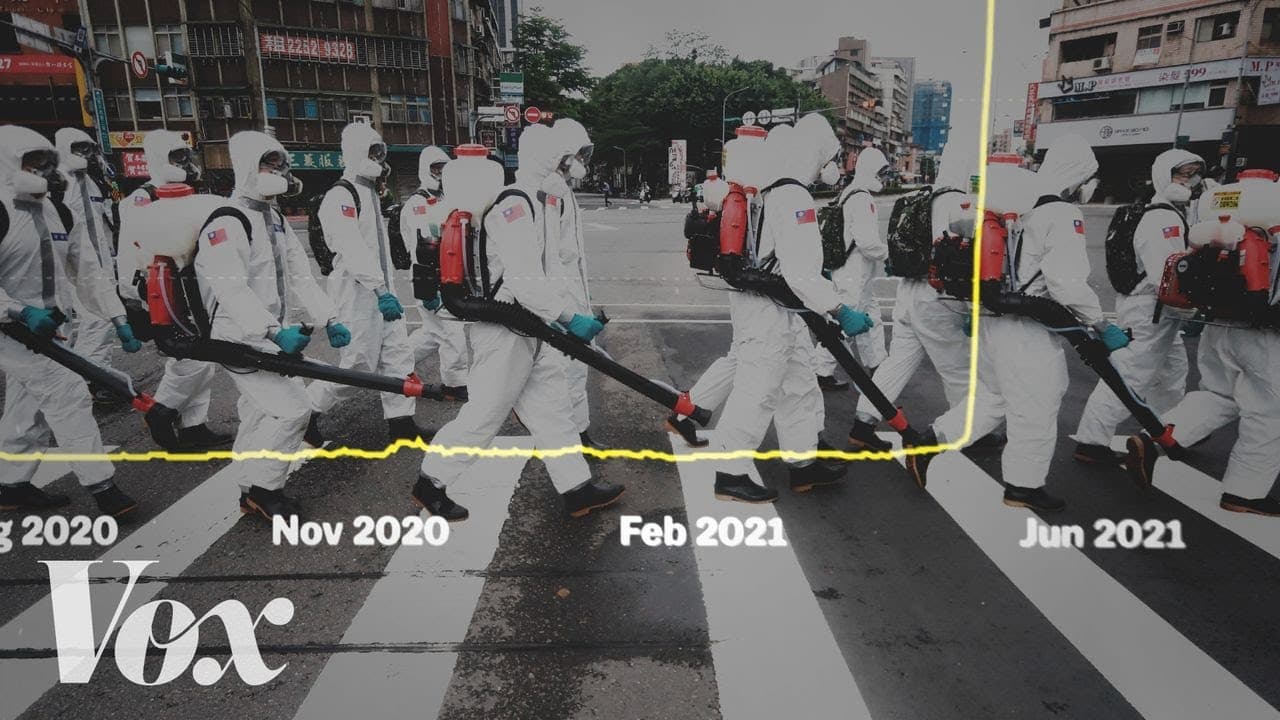
Taiwan successfully controlled Covid-19 through strict quarantine measures and a robust digital health infrastructure, allowing daily life to continue normally until May 2021. Key strategies included mandatory quarantines for travelers and effective risk assessment via the Central Epidemic Command Center, which coordinated health and travel data. However, relaxed measures led to a significant outbreak, highlighting the critical need for vaccination and ongoing preparedness.
Transcript
“When you land, the quarantine process immediately begins. They spray down all your bags... You have to take a quarantine taxi, specifically designated to take you from where you were going, to your quarantine. I got to this hotel, and we went down into, like, the cargo entrance, and in it is this screen, with a person on the other side of a webcam... Read More
Key Insights
- Taiwan initially maintained low Covid-19 cases through strict quarantine measures and advanced digital health infrastructure, allowing normalcy in daily life.
- The Central Epidemic Command Center (CECC) played a crucial role in coordinating Taiwan's pandemic response, integrating travel and health data for risk assessment.
- Mandatory two-week quarantines for travelers and a ban on most foreign travelers were pivotal in controlling virus entry into Taiwan.
- Taiwan's universal healthcare system, with digital smart cards, facilitated efficient pandemic management and individual risk assessment.
- The 2003 SARS outbreak prompted Taiwan to clarify the CECC's role, enhancing its ability to manage future health crises effectively.
- Despite initial success, Taiwan faced a significant Covid-19 outbreak in May 2021 due to relaxed quarantine measures and increased unchecked infections.
- Vaccination emerged as a critical component for Taiwan to achieve long-term pandemic control, highlighting the importance of vaccination globally.
- Taiwan's experience underscores the need for preparedness and learning from past mistakes to handle future pandemics effectively.
Install to Summarize YouTube Videos and Get Transcripts
Explore YouTube Video Summarizer or Get YouTube Transcript Extractor
Questions & Answers
Q: How did Taiwan initially manage to keep Covid-19 cases low?
Taiwan kept Covid-19 cases low through strict quarantine measures for travelers, a ban on most foreign travelers, and leveraging their advanced digital health infrastructure. The Central Epidemic Command Center (CECC) played a crucial role by integrating travel and health data, allowing for effective risk assessment and management of the pandemic.
Q: What role did the Central Epidemic Command Center (CECC) play in Taiwan's pandemic response?
The CECC was central to Taiwan's pandemic response, coordinating efforts across government agencies. It integrated citizens' travel and health data to assess individual risk levels, ensuring efficient management of the pandemic. The CECC's role was clarified after the 2003 SARS outbreak, enhancing its effectiveness in handling health crises.
Q: Why did Taiwan face a significant Covid-19 outbreak in May 2021?
Taiwan faced a significant outbreak in May 2021 due to relaxed quarantine measures, which allowed incoming infections to go unchecked. This surge highlighted the challenges of maintaining strict controls over time and the importance of continuous vigilance and adaptation in pandemic management.
Q: How did Taiwan's healthcare system contribute to its pandemic response?
Taiwan's healthcare system, with universal coverage and digital smart cards, facilitated efficient pandemic management. The smart cards stored medical information, enabling quick risk assessment and response. This system, combined with the CECC's efforts, allowed Taiwan to maintain low infection rates initially and manage the pandemic effectively.
Q: What lessons can be learned from Taiwan's Covid-19 response?
Taiwan's response highlights the importance of preparedness, strict quarantine measures, and advanced digital infrastructure in managing pandemics. The experience underscores the need for continuous vigilance, learning from past mistakes, and the critical role of vaccination in achieving long-term pandemic control.
Q: What strategies did Taiwan use to control virus entry into the country?
Taiwan controlled virus entry by implementing mandatory two-week quarantines for all travelers and banning most foreign travelers. The CECC used cell phone location data to monitor compliance with quarantine rules, ensuring that individuals adhered to isolation requirements and reducing the risk of community spread.
Q: How did Taiwan's experience with SARS influence its Covid-19 response?
Taiwan's SARS experience prompted the clarification of the CECC's role, enhancing its capability to manage health crises effectively. The lessons learned from SARS influenced Taiwan's proactive approach to Covid-19, emphasizing the importance of swift action, clear communication, and coordinated efforts in pandemic management.
Q: Why is vaccination considered crucial for Taiwan's long-term pandemic control?
Vaccination is crucial for Taiwan's long-term control of Covid-19 because it provides a sustainable solution to prevent future outbreaks. While strict quarantine measures were effective initially, vaccination offers a pathway to normalcy without the need for continuous restrictive measures, ensuring the population's health and safety in the long run.
Summary & Key Takeaways
-
Taiwan successfully controlled Covid-19 through strict quarantines and advanced health infrastructure, allowing normal daily life until May 2021.
-
The Central Epidemic Command Center (CECC) was instrumental in Taiwan's pandemic response, integrating data to assess individual risk levels.
-
Despite early success, Taiwan faced a significant outbreak in 2021, emphasizing the need for vaccination and preparedness for future pandemics.
Read in Other Languages (beta)
Share This Summary 📚
Summarize YouTube Videos and Get Video Transcripts with 1-Click
Try YouTube Summary with ChatGPT & Claude or YouTube Transcript Generator
Explore More Summaries from Vox 📚



Summarize YouTube Videos and Get Video Transcripts with 1-Click
Try YouTube Summary with ChatGPT & Claude or YouTube Transcript Generator