What Makes the Mona Lisa So Famous and Mysterious?
TL;DR
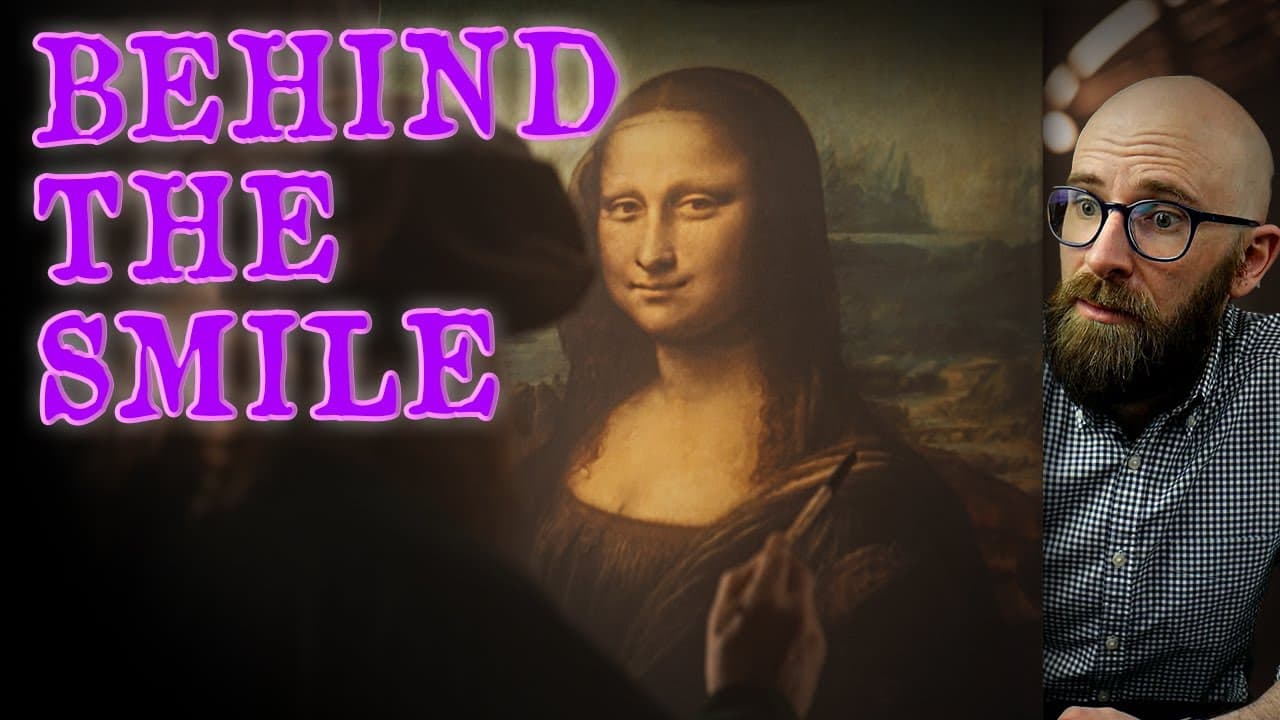
The Mona Lisa's fame skyrocketed after its 1911 theft, transforming it into a cultural icon. Leonardo da Vinci's innovative sfumato technique adds depth to her enigmatic gaze and smile, captivating viewers for centuries. While Lisa Gherardini is widely accepted as the subject, alternative theories exist, reflecting the ongoing intrigue surrounding the painting.
Transcript
Timeless Beauty encased in a frame day after day stares back at thousands of admiring viewers engaging with them through an intriguing smiling expression and a profound gaze an embodiment of perfection and artistic expression but enough about me the portrait of the Mona Lisa by Italian payer engineer poath and all-encompassing genius Leonardo da Vi... Read More
Key Insights
- 🥳 The Mona Lisa draws approximately 30,000 visitors per day at the Louvre, underscoring its cultural significance and ongoing allure.
- 🥰 The painting’s small size (77x53 cm) contrasts with its monumental impact on art history and public consciousness.
- 😀 Leonardo's use of sfumato creates a visual illusion that enhances the mystery of the Mona Lisa's gaze and smile, captivating audiences for centuries.
- 🔉 After decades of relative obscurity, the painting became famous due to the theft by Vincenzo Perugia and sensational media coverage during its recovery.
- 🥰 The complexities surrounding the painting's subject have fueled scholarly debate, reflecting the broader tensions in art interpretation and historical narrative.
- 😀 The Mona Lisa's famous smile has been the subject of numerous psychological studies, with varying interpretations reflecting subjective emotional responses.
- 🇲🇨 Legal disputes and theories of alternate versions of the Mona Lisa illustrate the ongoing intrigue regarding the painting and its perceived value.
Install to Summarize YouTube Videos and Get Transcripts
Explore YouTube Video Summarizer or Get YouTube Transcript Extractor
Questions & Answers
Q: What artistic techniques did Leonardo da Vinci use in the Mona Lisa to create its renowned features?
Leonardo employed the sfumato technique, characterized by soft transitions between colors and tones. This approach allowed him to blend light and shadow seamlessly, creating depth in the painting. The effect gives the Mona Lisa her enigmatic expression and illustrates Da Vinci’s mastery in rendering lifelike features that seem to engage the observer directly.
Q: How did the 1911 theft of the Mona Lisa contribute to its global fame?
The Mona Lisa was famously stolen by Vincenzo Perugia, a former museum worker who believed it should be returned to Italy. The theft garnered massive media attention and transformed the painting into an international sensation, elevating it from a relatively unrecognized artwork to an icon. This event intensified public interest, leading to millions flocking to see it once it was recovered.
Q: What hypotheses exist regarding the identity of the woman depicted in the Mona Lisa?
The most prominent hypothesis identifies Lisa Gherardini, the wife of Francesco del Giocondo, as the subject. Giorgio Vasari, a contemporary of Da Vinci, suggested this identity. However, alternative theories range from her being a model of Da Vinci’s young assistant or even a fictional creation, with no definitive evidence conclusively proving any theory.
Q: What controversies have arisen regarding the Mona Lisa over the decades?
The Mona Lisa has faced multiple controversies, ranging from theft to vandalism, contributing to its fame. Notably, the artwork was stolen in 1911, leading to widespread media coverage. It has also been a target for various protests where activists attempted to damage the painting, though due to protective measures, the artwork has remained unharmed.
Summary & Key Takeaways
-
The Mona Lisa, painted by Leonardo da Vinci, initially gained notoriety in the late 19th century, peaking after its theft in 1911. This event transformed the painting into a symbol of art and culture.
-
The painting's distinctive technique, called sfumato, creates an enigmatic gaze and smile, drawing viewers into its psychological complexity. Studies suggest various interpretations of the Mona Lisa's expression, adding to its mystique.
-
Despite the debated identity of the subject, Lisa Gherardini is the most widely accepted model. Alternative theories have been proposed, but they lack substantial evidence.
Read in Other Languages (beta)
Share This Summary 📚
Summarize YouTube Videos and Get Video Transcripts with 1-Click
Try YouTube Summary with ChatGPT & Claude or YouTube Transcript Generator
Explore More Summaries from Today I Found Out 📚






Summarize YouTube Videos and Get Video Transcripts with 1-Click
Try YouTube Summary with ChatGPT & Claude or YouTube Transcript Generator