We produce 13 tons of hazardous waste every second [Advertiser content from MailChimp]
TL;DR
Smarter Sorting reduces hazardous waste through innovative recycling methods.
Transcript
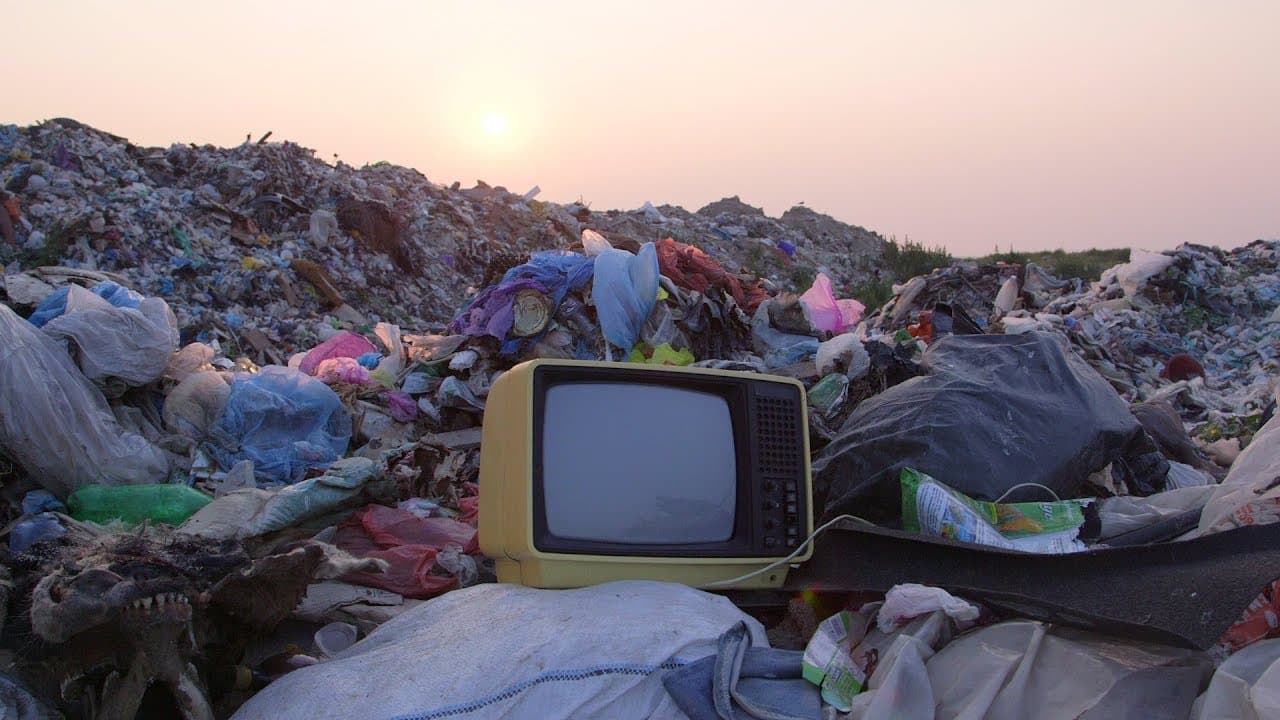
This is a landfill. The world generates over a billion tons of garbage each year. That's over 3 million tons of garbage in a single day. But a large majority of it doesn't even make it to a landfill because it's chemically unstable. 400 million tons of our yearly waste is considered hazardous and is frequently burned up. The U.S. released eight hun... Read More
Key Insights
- The world generates over a billion tons of garbage annually, with a significant portion classified as hazardous waste, often incinerated due to its chemical instability.
- Hazardous waste includes common household items that are toxic, corrosive, reactive, or flammable, necessitating strict disposal guidelines to prevent environmental contamination.
- Landfills pose a risk as precipitation can cause hazardous waste to seep into the earth, contaminating the water cycle through leachate.
- Incinerators, although equipped with pollution control devices, can still release pollutants into the air, forming new harmful substances that may enter the water cycle.
- Smarter Sorting utilizes machine learning technology to create a smart chemical database, enabling better management and conservation of chemical products.
- The technology involves taking high-resolution pictures and weighing items to create a comprehensive data record, identifying reusable products to divert from incineration.
- Smarter Sorting's efforts have already saved tens of thousands of pounds of materials from incinerators, promoting secondhand purchase and reuse.
- The global waste production is projected to nearly double by 2025, emphasizing the need for improved waste sorting and prevention strategies starting at the consumer level.
Install to Summarize YouTube Videos and Get Transcripts
Explore YouTube Video Summarizer or Get YouTube Transcript Extractor
Questions & Answers
Q: What is the main environmental issue discussed in the content?
The main environmental issue discussed is the generation and management of hazardous waste. The world produces over a billion tons of garbage annually, with 400 million tons classified as hazardous. This waste poses significant environmental risks as it is often incinerated or improperly disposed of, leading to pollution and contamination.
Q: How does Smarter Sorting aim to address the hazardous waste problem?
Smarter Sorting aims to address the hazardous waste problem by utilizing machine learning technology to create a smart chemical database. This technology helps identify reusable products, diverting them from incineration and promoting their reuse through secondhand purchase. This approach reduces waste and minimizes environmental impact.
Q: What are the risks associated with traditional waste disposal methods?
Traditional waste disposal methods, such as landfilling and incineration, pose significant environmental risks. Landfills can lead to leachate formation, contaminating the water cycle, while incinerators, despite having pollution control devices, can release pollutants into the air, forming new harmful substances that may also enter the water cycle.
Q: What role do consumers play in waste prevention according to the content?
Consumers play a crucial role in waste prevention by making informed choices. By selecting dented or sticky containers during shopping, consumers can prevent these items from being discarded as waste. This proactive approach helps reduce the amount of waste sent to landfills and incinerators, contributing to environmental conservation.
Q: What are the environmental benefits of Smarter Sorting's approach?
Smarter Sorting's approach offers several environmental benefits, including reducing the amount of hazardous waste sent to incinerators, conserving resources through the reuse of products, and minimizing pollution. By identifying reusable products, the company helps decrease environmental contamination and promotes sustainable waste management practices.
Q: How does Smarter Sorting's technology work?
Smarter Sorting's technology works by taking two high-resolution pictures of an item, weighing it, and scanning its barcode. This process creates a comprehensive data record of the item's chemical composition, allowing disposal facilities and retailers to identify reusable products and divert them from incineration to secondhand purchase centers.
Q: What are the projected trends for global waste production?
Global waste production is projected to nearly double by the year 2025. This trend underscores the urgent need for improved waste management strategies and preventive measures to handle the increasing volume of waste and mitigate its environmental impact.
Q: What specific household items contribute to hazardous waste?
Specific household items that contribute to hazardous waste include products that are toxic, corrosive, reactive, or flammable, such as chemical cleaners found under the kitchen sink. These items require careful disposal to prevent environmental contamination and are often subject to strict guidelines imposed by regulatory agencies.
Summary & Key Takeaways
-
The global production of hazardous waste is a significant environmental challenge, with 400 million tons generated annually. Many household items, such as cleaners, contribute to this waste, necessitating strict disposal guidelines to prevent environmental contamination. Smarter Sorting provides a solution by creating a smart chemical database to identify reusable products.
-
Smarter Sorting's machine learning technology offers a sustainable alternative to incineration by taking high-resolution pictures and weighing items to create data records. This enables the identification of reusable products, diverting them from incinerators and promoting secondhand purchase, thereby reducing waste and environmental impact.
-
Despite the progress made by Smarter Sorting, global waste production is expected to almost double by 2025. This highlights the importance of consumer choices in waste prevention, such as selecting dented or sticky containers, to reduce the amount of waste sent to landfills and incinerators.
Read in Other Languages (beta)
Share This Summary 📚
Summarize YouTube Videos and Get Video Transcripts with 1-Click
Try YouTube Summary with ChatGPT & Claude or YouTube Transcript Generator
Explore More Summaries from Vox 📚



Summarize YouTube Videos and Get Video Transcripts with 1-Click
Try YouTube Summary with ChatGPT & Claude or YouTube Transcript Generator