What Will Future Workplaces Look Like?
TL;DR
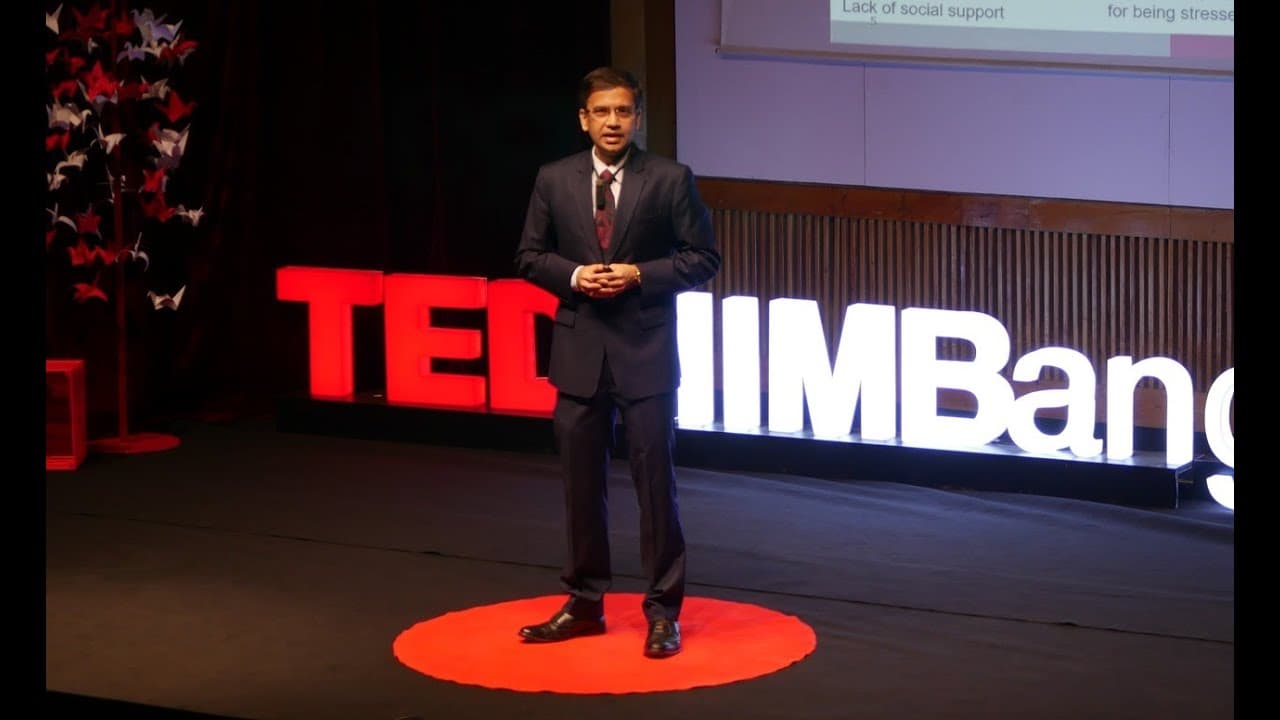
Future workplaces will be composed of purpose-driven, autonomous individuals connected by market forces, rather than traditional organizational structures. Automation will handle repetitive tasks, allowing people to focus on meaningful work. This model aims to increase engagement and reduce stress, offering flexibility in work hours and fostering innovation.
Transcript
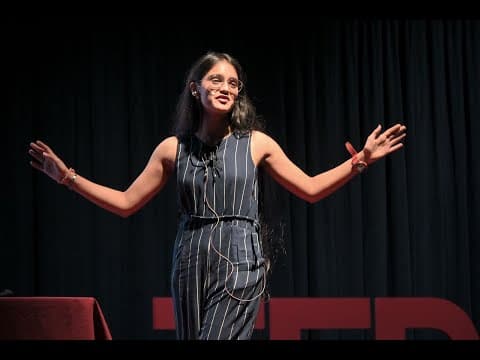
[Applause] good morning today I am going to talk to you about organizations of the future since it is about the future it's going to be a bit speculative but what I want to tell you is that organizations of today really do not have a future I'm going to tell you that the future organization is going to be a loose connection of purpose-driven autono... Read More
Key Insights
- Future organizations will consist of autonomous, purpose-driven individuals connected by market forces.
- Automation will manage repetitive tasks, freeing individuals to focus on creative and meaningful work.
- Current organizational structures often lead to disengagement and stress among employees.
- A significant decline in coordination costs due to technological advancements is reshaping workplace dynamics.
- New organizational models, like those seen in companies such as Uber and Airbnb, rely on market-driven coordination.
- Purpose-driven work can reduce stress and improve work-life balance, even with longer hours.
- Traditional organizations often prioritize the goals of a few, while future models will focus on individual purpose.
- Leadership in future organizations will be voluntary and based on expertise rather than formal structure.
Install to Summarize YouTube Videos and Get Transcripts
Explore YouTube Video Summarizer or Get YouTube Transcript Extractor
Questions & Answers
Q: How will future organizations be structured?
Future organizations will be structured as loose connections of autonomous, purpose-driven individuals coordinated through market forces. This model will replace traditional hierarchical structures, allowing individuals to focus on meaningful tasks while automation handles routine work. Leadership will be voluntary and based on expertise, fostering a more adaptable and fulfilling work environment.
Q: Why are current organizational structures problematic?
Current organizational structures, often rooted in early industrial practices, lead to disengagement and stress among employees. They prioritize the goals of a few over individual purpose, resulting in high job demand, low job control, and fear of job loss. These issues contribute to widespread stress and dissatisfaction in the workplace.
Q: What role will automation play in future workplaces?
Automation will play a significant role in future workplaces by handling routine and repetitive tasks, freeing individuals to focus on creative and meaningful work. This shift will enhance productivity and engagement, allowing employees to spend their time on tasks that align with their personal goals and purposes.
Q: How will technological advancements affect workplace dynamics?
Technological advancements have significantly reduced coordination costs, enabling new workplace dynamics that rely on market-driven coordination. This change allows for more flexible and efficient organizational models, such as those seen in companies like Uber and Airbnb, which connect individuals through market forces rather than traditional hierarchies.
Q: What is the impact of purpose-driven work on employees?
Purpose-driven work can greatly reduce stress and improve work-life balance, even when employees work longer hours. When individuals are driven by their own goals and objectives, they are more engaged and satisfied, which can lead to increased productivity and a more positive work environment.
Q: How will leadership function in future organizations?
In future organizations, leadership will emerge voluntarily and will be based on expertise rather than formal structures. Individuals will choose to follow leaders they trust and respect, allowing for more dynamic and adaptable leadership that aligns with the goals and purposes of the group.
Q: What are the benefits of market-driven organizational models?
Market-driven organizational models offer increased flexibility, efficiency, and adaptability. By connecting individuals through market forces, these models reduce coordination costs and allow for more personalized and purpose-driven work. This approach can lead to higher engagement, satisfaction, and innovation in the workplace.
Q: How can organizations improve employee engagement?
Organizations can improve employee engagement by redesigning job roles to focus on individual purpose and autonomy. By reducing routine tasks through automation and fostering a culture of voluntary leadership based on expertise, organizations can create a more fulfilling and adaptable work environment that aligns with employees' personal goals.
Summary & Key Takeaways
-
Future workplaces will prioritize autonomy and purpose, connecting individuals through market forces rather than traditional hierarchies. Automation will handle routine tasks, enabling people to engage in more meaningful work. This shift aims to enhance employee engagement and reduce stress, allowing for flexible work hours and fostering innovation.
-
The current organizational model, rooted in early industrial practices, often results in employee disengagement and stress. Technological advancements have reduced coordination costs, paving the way for new organizational models like Uber and Airbnb, which rely on market-based coordination of services.
-
Purpose-driven work is key to reducing stress and improving work-life balance, even when working long hours. Future organizations will focus on individual purpose, with leadership emerging voluntarily based on expertise, rather than being imposed through formal structures. This model promises a more fulfilling and adaptable work environment.
Read in Other Languages (beta)
Share This Summary 📚
Summarize YouTube Videos and Get Video Transcripts with 1-Click
Try YouTube Summary with ChatGPT & Claude or YouTube Transcript Generator
Explore More Summaries from TEDx Talks 📚


Summarize YouTube Videos and Get Video Transcripts with 1-Click
Try YouTube Summary with ChatGPT & Claude or YouTube Transcript Generator