What Is the Rohingya Crisis and Its Causes?
TL;DR
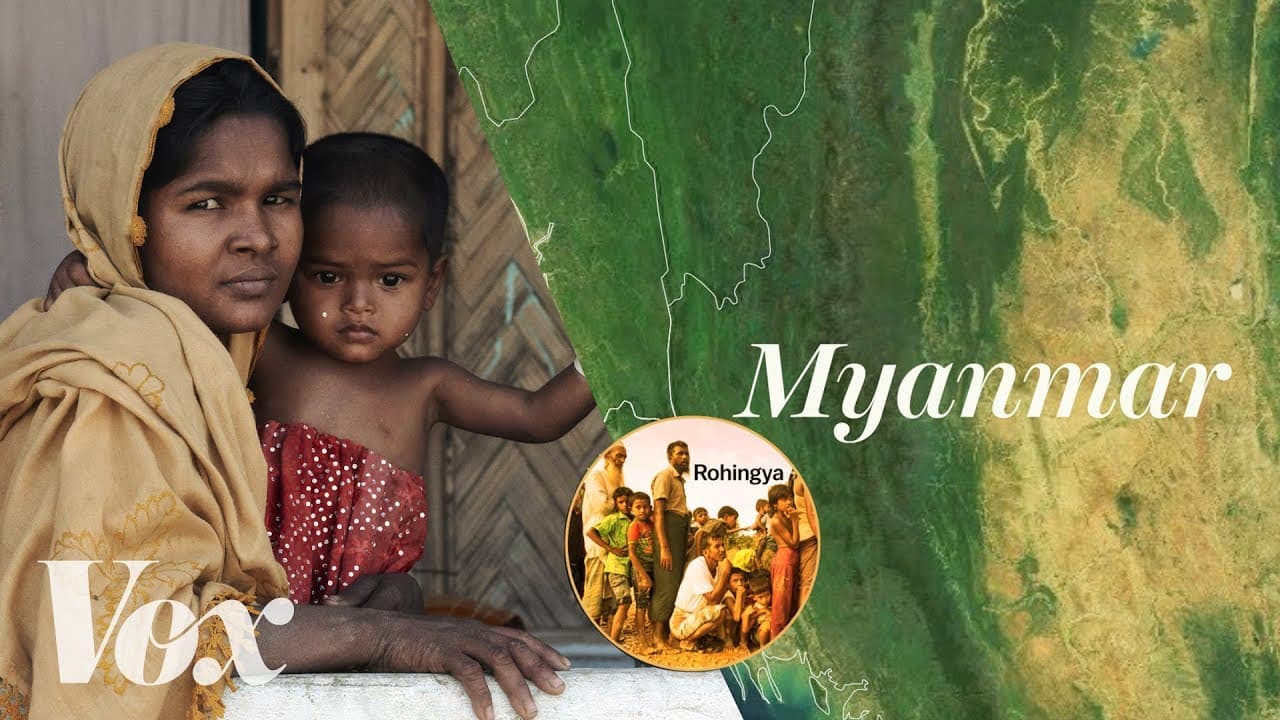
The Rohingya crisis refers to the systematic persecution of the Rohingya Muslims by Myanmar's military, resulting in a mass exodus of around 400,000 refugees, primarily to Bangladesh. Rooted in historical tensions and exacerbated by military actions since the 1960s, this situation is characterized by extreme violence, the stripping of citizenship, and is recognized as a textbook example of ethnic cleansing.
Transcript
There are thousands of refugees entering Bangladesh every day. They cross the border of Myanmar where the state military has launched a violent offensive against an ethnic minority group – the Rohingya. The UN reported that since August 2017 about 400,000 Rohingya men women and children have fled their homes in Myanmar's Rakhine State. Reports clai... Read More
Key Insights
- The Rohingya, a Muslim minority in Myanmar, are facing severe persecution, leading to a massive refugee crisis as they flee to neighboring countries like Bangladesh.
- Myanmar's military has been accused of ethnic cleansing, involving violence, rape, and arson against the Rohingya, making it a textbook example of such atrocities.
- The Rohingya have faced discrimination and violence for decades, with tensions tracing back to World War II and intensifying after a military coup in 1962.
- Myanmar's government has systematically marginalized the Rohingya, stripping them of citizenship and labeling them as illegal immigrants despite their historical presence in the region.
- Significant military operations in 1978 and 1991 forced hundreds of thousands of Rohingya to flee to Bangladesh, marking a pattern of state-sponsored violence.
- The Citizenship Act of 1982 excluded the Rohingya from official recognition, rendering them stateless and exacerbating their vulnerability to persecution.
- Recent violence erupted after a 2017 attack by a Rohingya militant group, leading to a brutal military crackdown and the displacement of about 400,000 Rohingya.
- Myanmar's leadership, including Nobel laureate Aung San Suu Kyi, has been criticized for its inadequate response to the crisis and failure to address the humanitarian disaster.
Install to Summarize YouTube Videos and Get Transcripts
Explore YouTube Video Summarizer or Get YouTube Transcript Extractor
Questions & Answers
Q: What is the main cause of the Rohingya refugee crisis?
The primary cause of the Rohingya refugee crisis is the systematic persecution by Myanmar's military, which has engaged in ethnic cleansing tactics, including violence, rape, and arson, against the Rohingya minority. This has led to mass displacement, with many fleeing to Bangladesh.
Q: How has Myanmar's government historically treated the Rohingya?
Historically, Myanmar's government has marginalized the Rohingya through discriminatory policies and violent campaigns. Since a military coup in 1962, the Rohingya have been excluded from citizenship, labeled as illegal immigrants, and subjected to periodic military operations that have forced them to flee.
Q: What role did the Citizenship Act of 1982 play in the Rohingya crisis?
The Citizenship Act of 1982 played a critical role in the Rohingya crisis by officially excluding the Rohingya from the list of recognized ethnic groups in Myanmar. This act rendered them stateless, stripping them of citizenship rights and exacerbating their vulnerability to persecution.
Q: How did the 2017 militant attack influence the Rohingya crisis?
The 2017 militant attack by the Arakan Rohingya Salvation Army on Myanmar's border police stations triggered a severe military crackdown. This retaliation resulted in widespread violence against Rohingya civilians, leading to the deaths of hundreds and the displacement of about 400,000 people to Bangladesh.
Q: What has been the international response to the Rohingya crisis?
The international response to the Rohingya crisis has included widespread condemnation of Myanmar's actions, with organizations like the UN labeling them as ethnic cleansing. However, efforts to intervene have been complicated by Myanmar's refusal to allow human rights investigators access to assess the situation fully.
Q: How has Myanmar's leadership responded to the crisis?
Myanmar's leadership, including Aung San Suu Kyi, has been criticized for its inadequate response to the crisis. Despite being a Nobel laureate, Suu Kyi has downplayed the severity of the situation, failing to address the humanitarian disaster and defend the rights of the Rohingya.
Q: What historical events have contributed to tensions between the Rohingya and Myanmar's Buddhist majority?
Tensions between the Rohingya and Myanmar's Buddhist majority date back to World War II, when the Rohingya sided with British colonialists, while many Buddhists supported Japanese invaders. These historical divisions have been exacerbated by subsequent military coups and nationalist policies targeting the Rohingya.
Q: What measures has Myanmar taken to prevent the return of Rohingya refugees?
Myanmar has reportedly planted landmines along the Bangladesh border to prevent Rohingya refugees from returning. This tactic is part of a broader strategy to systematically drive the Rohingya out, including stripping their citizenship and destroying their homes, ensuring they cannot easily come back.
Summary & Key Takeaways
-
The Rohingya crisis involves systematic persecution of this Muslim minority by Myanmar's military, leading to a large-scale refugee situation. The military's actions, deemed ethnic cleansing, have forced hundreds of thousands to flee, primarily to Bangladesh, marking one of the fastest-growing humanitarian crises.
-
Historical tensions between the Rohingya and Myanmar's Buddhist majority have roots in World War II. Over the decades, military coups, discriminatory laws, and violent campaigns have marginalized the Rohingya, stripping them of citizenship and rendering them stateless.
-
Recent escalations in violence, particularly after a 2017 militant attack, have resulted in severe military retaliation, including killings and village burnings. Despite international outcry, Myanmar's leadership has largely downplayed the crisis, contributing to ongoing human rights violations.
Read in Other Languages (beta)
Share This Summary 📚
Summarize YouTube Videos and Get Video Transcripts with 1-Click
Try YouTube Summary with ChatGPT & Claude or YouTube Transcript Generator
Explore More Summaries from Vox 📚



Summarize YouTube Videos and Get Video Transcripts with 1-Click
Try YouTube Summary with ChatGPT & Claude or YouTube Transcript Generator