How to Build an Authentic Personal Leadership Brand
TL;DR
Build a stronger personal brand by identifying the distinctive traits, interests, and perspectives that genuinely define you, then communicating them confidently. Authenticity helps you create human connections, distinguish yourself in job applications and conference proposals, and discover work that fits your strengths. Your most meaningful mission may emerge unexpectedly, so remain willing to recognize and pursue it.
Transcript
Hello, everyone. Who's excited to be here? Clap your hands if you're excited to be here. There they are. It's a pleasure for us to be here. Um, I, I'll admit, Alyssa and I met a few days ago, or via email, about a week ago, but we feel like kindred spirits in the fact that we feel like what's missing is connections, right? We talk about human being... Read More
Key Insights
- A personal brand is grounded in understanding the traits, experiences, and convictions that make someone distinctive. Embracing those qualities can increase confidence, strengthen communication, and help a person make a clearer impression when pursuing jobs, conference speaking opportunities, publishing projects, or leadership roles.
- Authenticity is necessary for persuasive self-advocacy because people cannot energize an audience while hiding who they are. The speakers connect professional progress with an internal willingness to claim expertise, examine private doubts, and communicate personal strengths without apologizing for them.
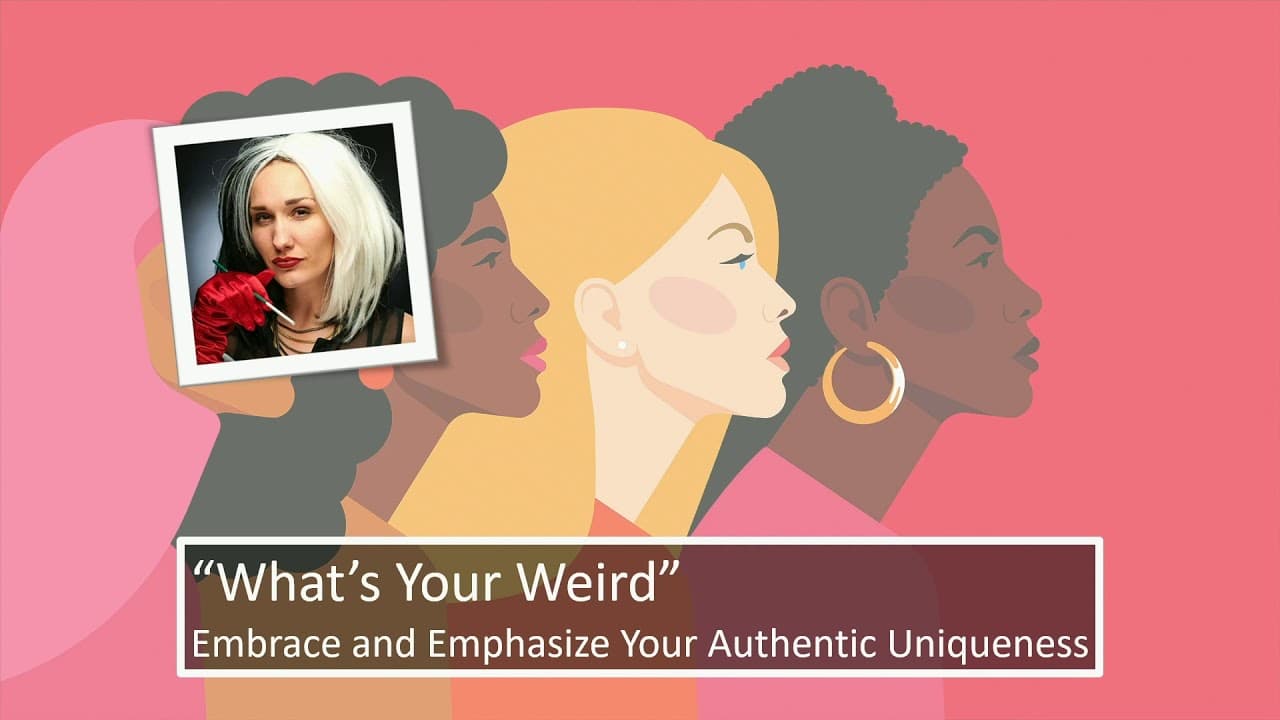
- A person's "weird" is the distinctive interest, quirk, identity, or perspective that separates them from others. Making that quality visible can help a resume or conference proposal stand out, while also giving other people a memorable and genuine basis for connection.
- The term "hacker" represents a mindset and authentic identity for Alyssa Miller. After hiding it during conversations with corporate executives, she embraced it publicly and found that doing so made her more outspoken and helped her establish a stronger platform in the cybersecurity community.
- A career mission can emerge differently from an original professional plan. Miller initially expected to concentrate on highly technical talks, but repeated opportunities to support people entering cybersecurity revealed a passion that led to conference talks, regular speaking, blogging, social posts, and a book project.
- Shared interests can turn an intimidating professional encounter into a human connection. Okafor's enthusiasm for movies such as Goodfellas created common ground with an executive, reduced her discomfort, and gave the participants something personally meaningful to discuss before returning to professional matters.
- Questions that feel uncomfortable to ask may still serve an entire audience. Okafor describes challenging technical claims despite coming from sales because written security guidance can differ from practice, and because other listeners may share the same doubt while feeling unable to voice it.
- Representation is a central part of building a healthier cybersecurity community. Miller describes supporting individuals, particularly women, so they can enter the field, remain involved, feel represented, and develop confidence that they belong and can contribute to the industry's professional community.
Install to Summarize YouTube Videos and Get Transcripts
Explore YouTube Video Summarizer or Get YouTube Transcript Extractor
Questions & Answers
Q: How do you build an authentic personal leadership brand?
An authentic personal leadership brand begins with identifying the qualities, experiences, interests, and convictions that genuinely distinguish you. Instead of hiding those characteristics to match what you imagine an executive or professional audience expects, communicate them confidently and connect them to your work. This self-knowledge supports stronger first impressions, clearer self-advocacy, and greater confidence when pursuing jobs, conference proposals, books, or leadership opportunities.
Q: What does finding your "weird" mean in personal branding?
Finding your "weird" means recognizing the particular quirk, interest, identity, or perspective that makes you memorable as an individual. It is not about manufacturing an eccentric image. It is about noticing something authentic that you may have minimized because it felt unusual. Making that quality visible can distinguish your resume or conference proposal and help others find a genuine point of connection with you.
Q: Why is authenticity important when making a personal pitch?
Authenticity matters because a compelling personal pitch depends on believing in your own expertise and speaking from an identity you actually accept. Hiding important parts of yourself can limit confidence and make it harder to energize an audience. When your message reflects your real experiences, interests, and motivations, it becomes easier to advocate for yourself, your work, your organization, and the causes that matter to you.
Q: How can a distinctive identity improve professional visibility?
A distinctive identity gives people a clear and memorable way to understand what you represent. Alyssa Miller had long considered herself a hacker but avoided using the term around corporate executives. After embracing it as an authentic description of her mindset, she became more outspoken and developed a stronger platform in cybersecurity. The example shows how owning a previously hidden identity can support visibility and professional expression.
Q: What should you do when your professional mission changes?
Accept that a meaningful mission may emerge through experience rather than follow your original plan. Miller intended to focus on highly technical presentations, but her work bringing people into cybersecurity repeatedly drew her attention and revealed a genuine passion. She chose to pursue that direction through talks, regular speaking, blogging, social posts, and writing a book. The practical lesson is to notice where ability, passion, and impact repeatedly converge.
Q: How can personal interests strengthen professional conversations?
Personal interests can create common ground that makes a professional conversation feel more human and less intimidating. Okafor describes discussing her interest in Italian movies before an important meeting and discovering that an executive shared that enthusiasm. Their connection reduced her sense of discomfort and opened a natural conversation. An interest that seems unrelated to work may still establish trust and show others an authentic part of your personality.
Q: Why should professionals ask questions that feel uncomfortable?
An uncomfortable question may identify a gap between accepted claims and actual practice, while also expressing a doubt shared by quieter participants. Okafor describes questioning technical statements despite working in sales because security guidance in books can differ from real-world practice. Speaking up can contribute a valuable perspective, clarify the discussion, and represent other listeners who noticed the same issue but felt too uncertain to raise it themselves.
Q: How can women build confidence and belonging in cybersecurity?
Confidence and belonging can grow when women recognize their expertise, communicate their distinctive perspectives, support one another, and participate visibly in the professional community. Miller emphasizes bringing people into cybersecurity and continuing to support them after they arrive. The speakers encourage women to confront private doubts, embrace authentic identities, submit conference proposals, pursue jobs, and accept opportunities to contribute where their strengths and passions can make a difference.
Summary & Key Takeaways
-
Alyssa Miller and Juliet Okafor frame personal branding as an exercise in honest self-understanding rather than polished self-promotion. Their goal is to help people recognize what makes them distinctive, confront private doubts that restrict their ambitions, and communicate with enough confidence to pursue jobs, conference opportunities, books, and leadership roles.
-
The first tactic is to identify and embrace your "weird," meaning the interests, quirks, experiences, or perspectives that distinguish you. Miller describes reclaiming the identity of a hacker after previously hiding it in corporate settings. Because that identity was authentic, embracing it helped her become more outspoken and visible within cybersecurity.
-
Authenticity also creates connections because seemingly unusual interests often resonate with other people. Okafor describes bonding with an executive over Italian movies and asking questions others might suppress. The speakers argue that personal missions can differ from original career plans, so people should recognize unexpected opportunities where their passion, ability, and potential impact converge.
Read in Other Languages (beta)
Share This Summary 📚
Summarize YouTube Videos and Get Video Transcripts with 1-Click
Try YouTube Summary with ChatGPT & Claude or YouTube Transcript Generator
Explore More Summaries from RSAC Cybersecurity 📚


Summarize YouTube Videos and Get Video Transcripts with 1-Click
Try YouTube Summary with ChatGPT & Claude or YouTube Transcript Generator