What SEO Questions Did Google Answer in the English Google Webmaster Office-Hours Hangout IRL?
TL;DR
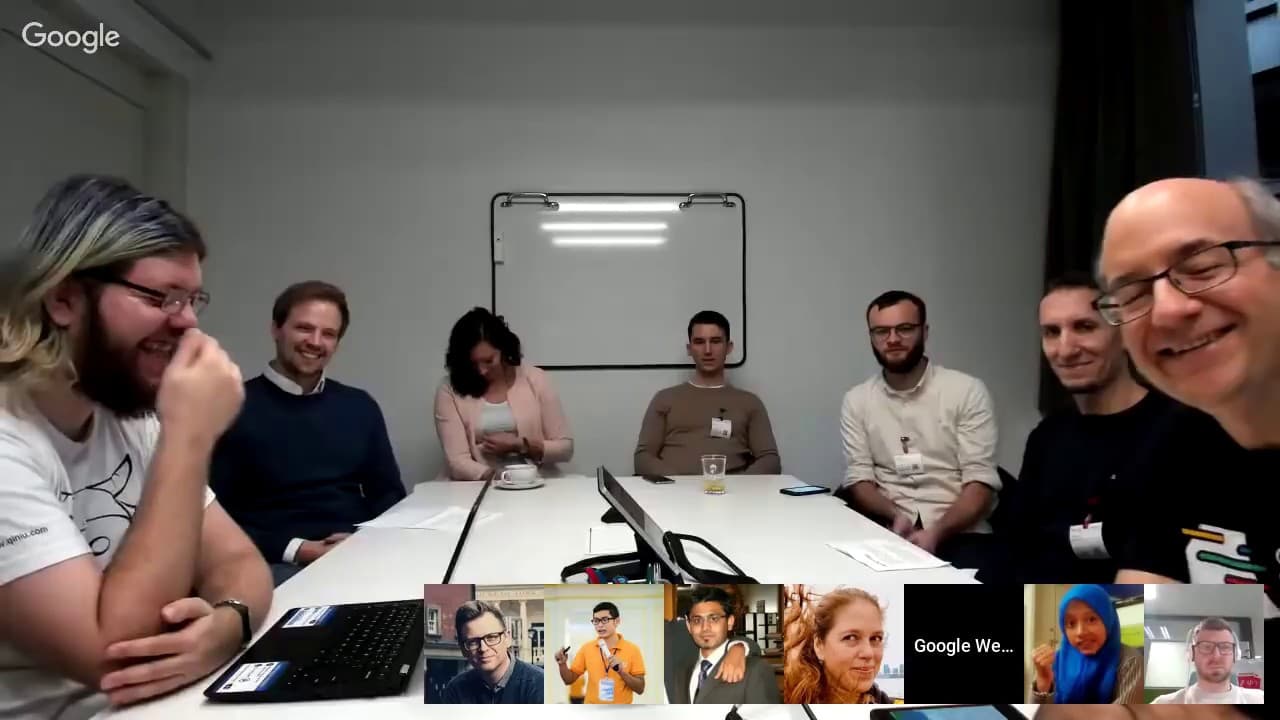
The English Google Webmaster office-hours hangout explains how Google handles image indexing, JavaScript rendering, content changes, theme migrations, personalization, site mergers, and brand mentions. Image sitemaps can signal which images you want indexed, while Google generally selects a higher-resolution version for image search. Read on for specific guidance about protecting search visibility during technical and content changes.
Transcript
JOHN: [INAUDIBLE] JOHN: Right. What [INAUDIBLE] today's webmaster office hours Hangout. Today we have a bunch of special guests from Switzerland. They're all [INAUDIBLE] how we would do [INAUDIBLE].. Actually maybe we'll do it in English, because maybe not everyone here speaks German. Do you want to introduce yourself briefly? TERRY: Yes, my name i... Read More
Key Insights
- Image sitemaps can help Google understand which images you want indexed, though they aren't always necessary if images are non-critical.
- Google tries to use the highest resolution images available for image search but doesn't require extremely large files.
- JavaScript issues can cause errors in Google Cache; ensuring JavaScript is optimized for search engines is crucial.
- Content changes on a page can lead to temporary ranking fluctuations as Google re-evaluates the page.
- Changing a website's theme can affect rankings due to changes in HTML and internal link structures.
- Personalization on homepages is acceptable, but it should not mislead users with significant content changes.
- When merging sites, ensure redirects are precise and nothing indexable is blocked to minimize ranking drops.
- Google does not treat brand mentions without links as equivalent to backlinks.
Install to Summarize YouTube Videos and Get Transcripts
Explore YouTube Video Summarizer or Get YouTube Transcript Extractor
Questions & Answers
Q: When should a website use an image sitemap?
An image sitemap is useful when images are important to how people discover your website, particularly through image search. Google can find images in page source code, but a sitemap helps indicate that you want particular images indexed.
Q: Which image size does Google use for image search?
Google tries to recognize when the same image is available in multiple sizes. It usually selects a higher-resolution version for image search, but the image does not need to be a gigantic sample or the original file.
Q: How can unwanted image versions be kept out of Google Search?
John recommends blocking unwanted image versions with robots.txt, especially when sizes are stored in different folders or follow recognizable URL patterns. If Google cannot crawl an image, it cannot display that image because it cannot infer its appearance from surrounding text alone.
Q: Why can JavaScript cause errors in Google Cache?
JavaScript that is not optimized for Google's rendering process can create problems in cached pages. The existing discussion notes that scripts running from a cached page may trigger unintended actions or protection mechanisms.
Q: How does Google handle major content changes on a page?
Google re-evaluates a page after its content changes, which can cause temporary ranking fluctuations. The change does not reset the page's established signals, and clearer content or structure can ultimately produce a positive outcome.
Q: Can changing a website theme affect Google rankings?
Yes, a theme change can affect rankings because it may alter the HTML structure and internal links. Maintaining the link structure and properly marking up headings and content can reduce unintended SEO effects.
Q: What should be done when merging two websites?
A merger can cause a temporary ranking drop while Google re-evaluates the combined site. Use precise redirects from old URLs to their new destinations and avoid blocking content that was previously indexable.
Q: Does Google treat an unlinked brand mention like a backlink?
No, Google does not treat a brand mention without a link as equivalent to a backlink. The existing discussion says unlinked mentions do not pass PageRank or function as direct ranking signals in the same way as links.
Summary & Key Takeaways
-
Google experts discussed the importance of image sitemaps for indexing and clarified that while Google can find images through source code, sitemaps can indicate images that should be indexed. They also addressed the handling of different image sizes.
-
JavaScript issues affecting Google Cache were examined, with Google representatives suggesting that such issues might be due to JavaScript not being optimized for Google's rendering process.
-
The session covered the impact of content changes on page rankings, emphasizing that while changes can temporarily affect rankings, they don't reset a page's established signals. Theme changes can also impact rankings due to changes in HTML and internal linking.
Read in Other Languages (beta)
Share This Summary 📚
Summarize YouTube Videos and Get Video Transcripts with 1-Click
Try YouTube Summary with ChatGPT & Claude or YouTube Transcript Generator
Explore More Summaries from Google Search Central 📚


Summarize YouTube Videos and Get Video Transcripts with 1-Click
Try YouTube Summary with ChatGPT & Claude or YouTube Transcript Generator