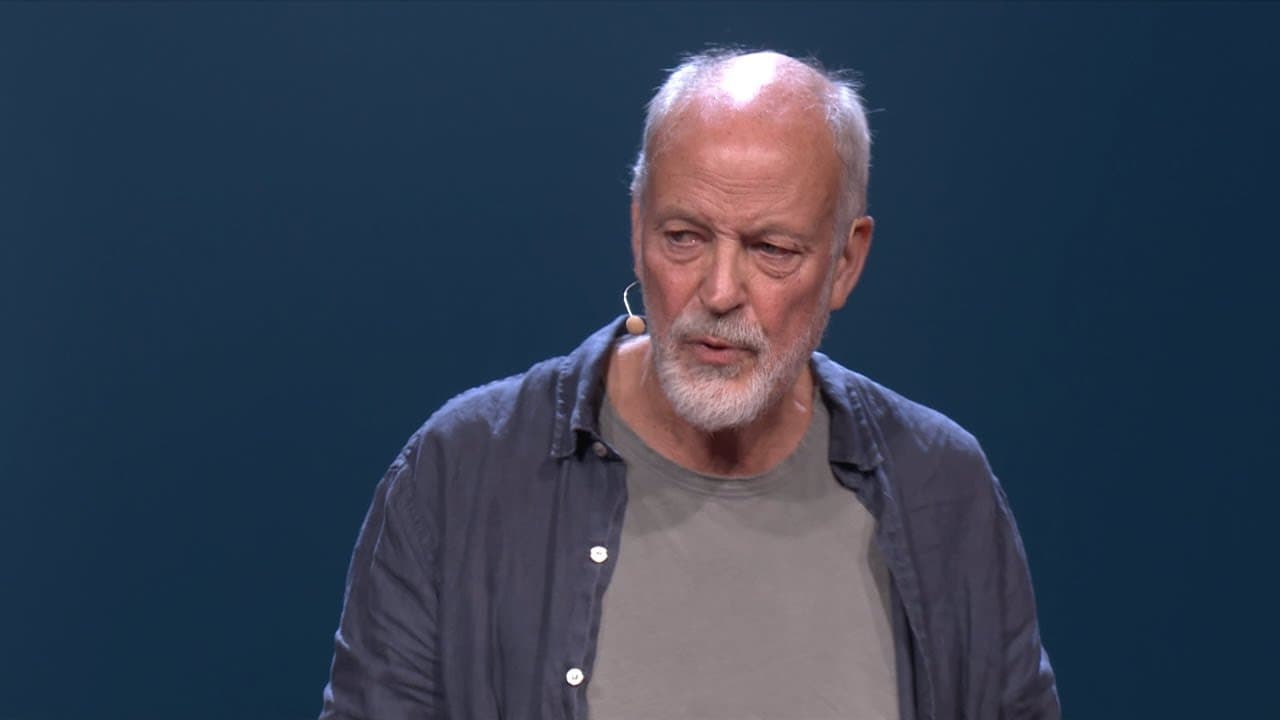
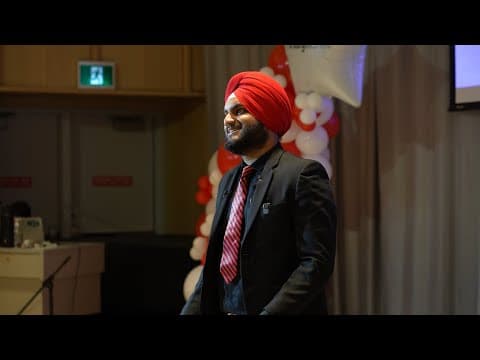
Very Bad People and How to Nail Them | Patrick Alley | TEDxAthens
TL;DR
Patrick Alley explains how undercover evidence can expose environmental crime and help stop the violence it finances. In January 1995, he and Simon Taylor posed as European timber buyers to investigate trade along the 700-kilometre Thai-Cambodian border, where timber sales were funding the Khmer Rouge. Their findings helped build pressure to close the border and cut off war money. Read on to see how an inexperienced, underfunded team made the investigation work.
Transcript
Transcriber: Fiza Asif Javed Reviewer: Walaa Mohammed This is my first business card. It identifies me as Chris Manners of Universal Export. Why would I need a business card with a false name and a fictitious company? Back in the 1980s, I worked in the construction industry in a job which bored me sideways. At the same time, I saw TV footage of Gre... Read More
Key Insights
- 🪛 Personal passion and a desire for change can drive individuals to take bold steps and pursue unconventional paths.
- 🗯️ Investigation and gathering evidence are powerful tools in exposing and addressing environmental and human rights issues.
- 💱 Collaboration and collective action are essential in creating significant impact and bringing about change.
Install to Summarize YouTube Videos and Get Transcripts
Explore YouTube Video Summarizer or Get YouTube Transcript Extractor
Questions & Answers
Q: How did Patrick Alley and his team expose the Khmer Rouge timber trade?
They infiltrated the Thai timber trade by posing as European timber buyers under false names and a fictitious company called Universal Export. They travelled along the 700-kilometre Thai-Cambodian border, questioned timber companies directly, and filmed their findings with secret cameras.
Q: Why did the team investigate timber trading on the Thai-Cambodian border?
News reports suggested that the Khmer Rouge were selling timber from Cambodia’s rainforests to Thailand to raise money for their war. The team saw the trade as both an environmental and a human-rights issue and believed proving it could create pressure to close the border.
Q: What impact did the timber investigation have?
The investigation documented the scale of the timber trade and its role in funding the Khmer Rouge. Combined with political pressure, the evidence helped secure the border’s closure, cut money flowing to the war, and play a crucial role in ending the conflict.
Q: How did Patrick Alley become involved in environmental investigations?
While bored with his construction job in the 1980s, he saw Greenpeace activists placing themselves between whales and whaling ships and decided he wanted similar work. After quitting and backpacking for a year, he volunteered with the Environmental Investigation Agency, which conducted undercover investigations into crimes such as illegal ivory trading.
Q: Who joined Patrick Alley in developing the Cambodia investigation?
At the Environmental Investigation Agency, he met Simon Taylor and Charmian Gooch, who became close friends. Their shared concern about Cambodia and the link between rainforest destruction and the Khmer Rouge’s war led them to consider gathering proof themselves.
Q: How was the undercover investigation funded?
Early fundraising outside London Underground stations brought in only about £5 a day. After unsuccessful proposals, Oxfam’s Dutch counterpart Novick provided £18,000 approximately 18 months later, allowing the planned investigation to proceed.
Q: Why did the investigators use false identities and Universal Export?
Openly approaching the Khmer Rouge side of the border was too dangerous because a reward was offered for killing Westerners. They therefore posed as European timber buyers: Patrick Alley became Chris Manors, Simon Taylor became Richard Sutton, and their fictitious company borrowed the name Universal Export from the James Bond books.
Q: How did the field investigation begin in Thailand?
In January 1995, Patrick Alley and Simon Taylor landed in Bangkok, hired a Toyota Hilux pickup truck and a translator, and headed toward the border. Starting in southeastern Thailand, they found an area as large as several football pitches stacked with rainforest tree trunks on the investigation’s first day.
Summary & Key Takeaways
-
Chris Manners shares his experience of leaving his boring job and finding inspiration in Greenpeace activists, which sparked his interest in environmental work.
-
After volunteering for an organization focused on undercover investigations into issues like illegal trade, Manners realized the power of gathering information and exposing injustices.
-
Manners and his team embarked on a dangerous mission to investigate illegal timber trade and its connection to the Khmer Rouge, ultimately leading to the closure of the border and the end of the war.
Read in Other Languages (beta)
Share This Summary 📚
Summarize YouTube Videos and Get Video Transcripts with 1-Click
Try YouTube Summary with ChatGPT & Claude or YouTube Transcript Generator
Explore More Summaries from TEDx Talks 📚


Summarize YouTube Videos and Get Video Transcripts with 1-Click
Try YouTube Summary with ChatGPT & Claude or YouTube Transcript Generator