How to Embrace Death with Dignity and Purpose
TL;DR
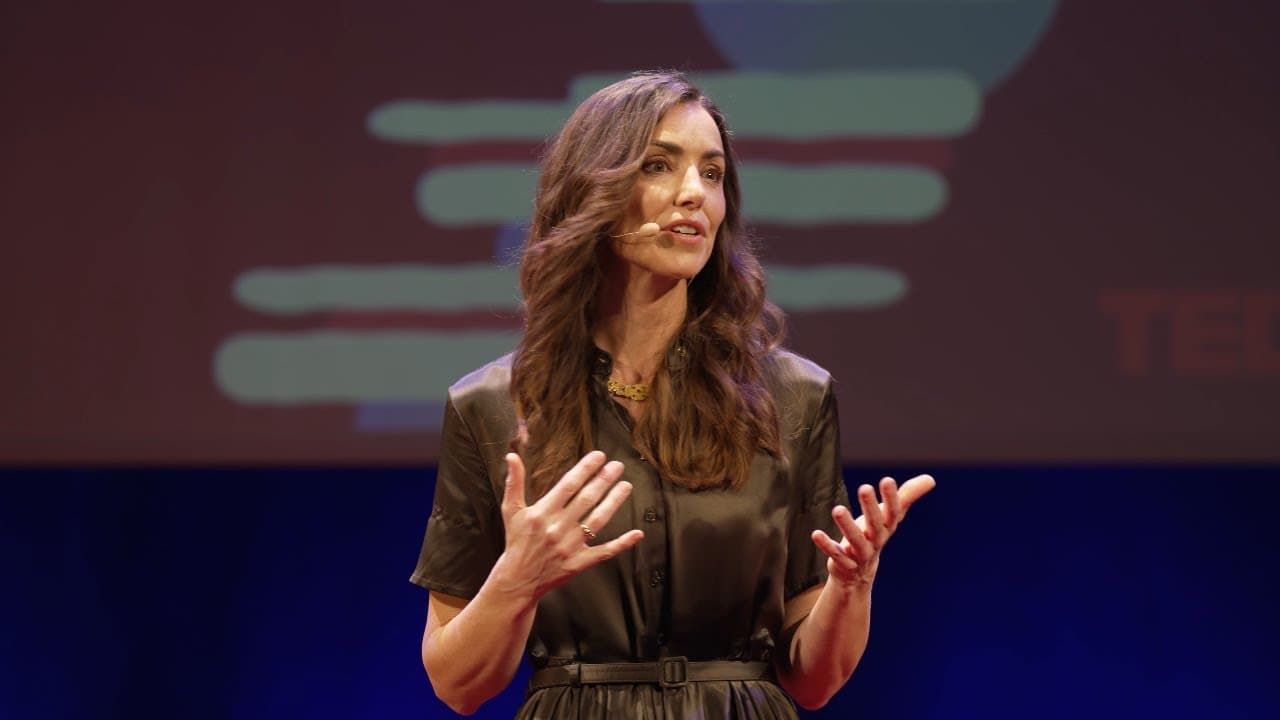
Embracing death can reduce fear and enhance life's quality. Sierra Campbell shares personal experiences and insights on how understanding mortality can enrich our lives. She emphasizes the importance of community, connection, and preparation for a peaceful end, suggesting practical steps like volunteering in palliative care and reflecting on personal values.
Transcript
did you know that one of the greatest fears of all humans is public speaking it really is and here I am proving that fear is overrated unless you are speaking publicly about one of the other greatest fears death it's like the check engine light it's blinking and you look down and you think "We'll get wherever we're going just fine." And then all of... Read More
Key Insights
- Public speaking and death are among the greatest fears for humans.
- Understanding death can enhance the capacity to live fully.
- Early experiences with loss shape how we handle impermanence.
- Death has become institutionalized, leading to loneliness among the elderly.
- Japan's Elder Support programs offer innovative care solutions.
- Indigenous communities value elders as wisdom keepers.
- Aging is a privilege and requires courage to face losses with compassion.
- Volunteering in palliative care can prepare individuals for end-of-life experiences.
Install to Summarize YouTube Videos and Get Transcripts
Explore YouTube Video Summarizer or Get YouTube Transcript Extractor
Questions & Answers
Q: How can understanding death enhance life?
Understanding death can enhance life by reducing fear and increasing the appreciation for the present moment. By cultivating a relationship with our mortality, we can focus on what truly matters, fostering deeper connections and living with intention. Embracing the inevitability of death encourages us to prioritize meaningful experiences and relationships, ultimately enriching our lives.
Q: What are some innovative elder care solutions in Japan?
Japan has implemented innovative elder care solutions like the Nagaya community housing and Fiori Kipu caring currency. Nagaya provides small apartments for seniors within thriving communities, promoting intergenerational interaction. Fiori Kipu is a time banking system where young people earn credits by caring for others, which can be redeemed later or gifted to elders, fostering a supportive community environment.
Q: Why is aging considered a privilege?
Aging is considered a privilege because it offers the opportunity for personal growth, wisdom, and the chance to witness life's evolution. It allows individuals to reflect on their experiences, share knowledge with younger generations, and embrace the fullness of life. Recognizing aging as a gift encourages a positive perspective on life's later stages, fostering gratitude and acceptance.
Q: How do indigenous communities view elders?
Indigenous communities often view elders as keepers of wisdom and integral members of society. They are respected for their life experiences and contributions to cultural traditions. Elders play a crucial role in teaching younger generations, preserving cultural heritage, and providing guidance. This respect ensures that elders are cared for by the community, maintaining their dignity and significance.
Q: What role does community play in end-of-life care?
Community plays a vital role in end-of-life care by providing emotional support, companionship, and practical assistance. A strong community network can help alleviate feelings of loneliness and isolation, ensuring that individuals facing the end of life do so with dignity and compassion. Community involvement also fosters a sense of belonging and purpose, enriching the lives of both caregivers and those receiving care.
Q: How can volunteering in palliative care be beneficial?
Volunteering in palliative care can be beneficial by offering firsthand experience with end-of-life processes, fostering empathy and understanding. It provides an opportunity to support individuals and families during a critical time, enhancing the volunteer's sense of purpose and connection. This experience can also prepare individuals for their own end-of-life journey, promoting acceptance and reducing fear of death.
Q: What is the significance of creating a personal roadmap for mortality?
Creating a personal roadmap for mortality is significant because it helps individuals clarify their values and wishes for end-of-life care. It provides loved ones with guidance and peace of mind, ensuring that one's preferences are respected. This proactive approach can alleviate anxiety about the unknown aspects of dying, fostering a sense of control and acceptance in facing mortality.
Q: Why is it important to share your thoughts on death with loved ones?
Sharing thoughts on death with loved ones is important because it opens a dialogue about end-of-life wishes and values. This communication ensures that family and friends understand and can honor one's preferences, reducing uncertainty and stress during difficult times. It strengthens relationships by fostering trust and understanding, allowing loved ones to support each other more effectively.
Summary & Key Takeaways
-
Sierra Campbell discusses the importance of embracing death to live a fuller life. By understanding our mortality, we can reduce fear and increase our capacity for meaningful experiences. She shares insights from her personal journey and highlights innovative care solutions like Japan's Elder Support programs, which integrate elders into communities to combat loneliness and institutionalization.
-
The talk emphasizes the value of learning from elders and preparing for death through community involvement and personal reflection. Indigenous communities are highlighted for their respect for elders as wisdom keepers. Campbell encourages volunteering in palliative care to gain firsthand experience with end-of-life processes and to foster connection and compassion.
-
Campbell poses an important question about living a life filled with love and connection while preparing for a peaceful death. She suggests creating a personal roadmap for facing mortality, which can be a profound gift to loved ones. Her talk encourages a shift in perspective towards aging and dying, promoting dignity and purpose.
Read in Other Languages (beta)
Share This Summary 📚
Summarize YouTube Videos and Get Video Transcripts with 1-Click
Try YouTube Summary with ChatGPT & Claude or YouTube Transcript Generator
Explore More Summaries from TEDx Talks 📚
Summarize YouTube Videos and Get Video Transcripts with 1-Click
Try YouTube Summary with ChatGPT & Claude or YouTube Transcript Generator