How Does Tanglish Rap Preserve Tamil Identity?
TL;DR
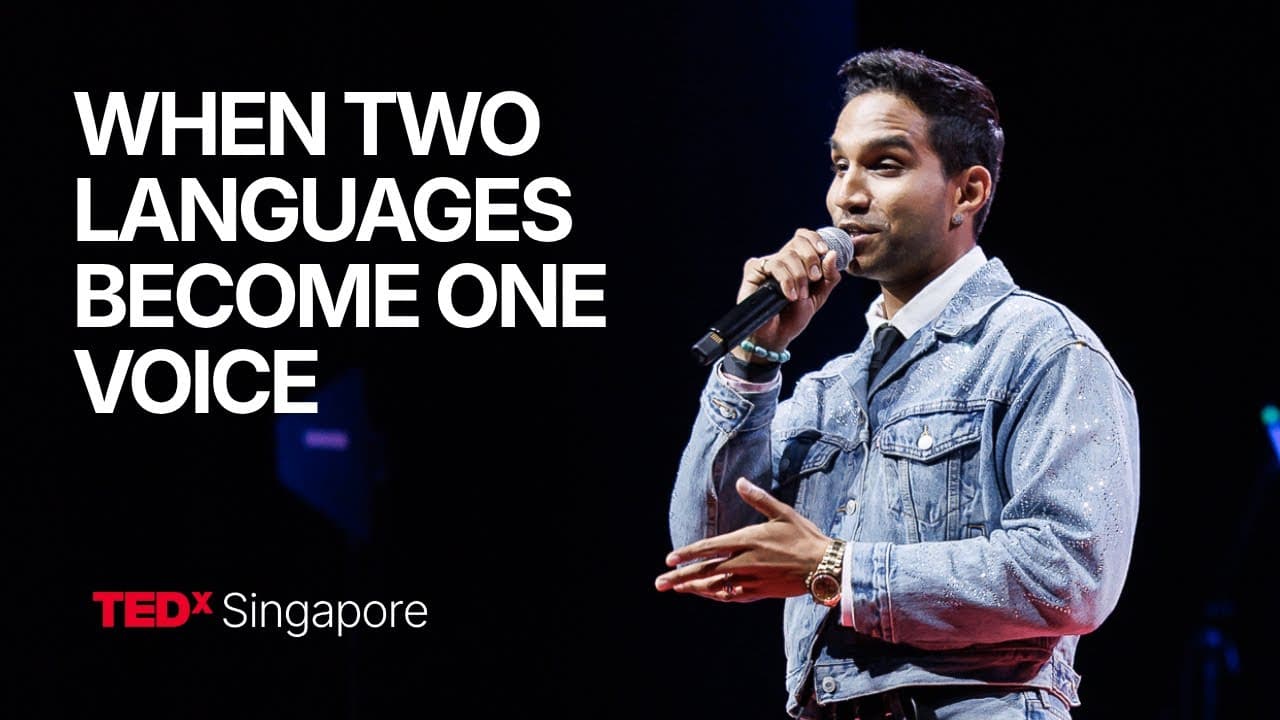
Blending Tamil and English in hip-hop can turn bilingual identity into an authentic creative voice while helping listeners feel proud of their cultural roots. Yung Raja uses Tanglish lyrics, international collaborations, and performances to challenge insecurity around Tamil identity, introduce the language to other communities, and encourage future generations to represent their heritage confidently.
Transcript
Give me my vi from get loose this won't leave me alone. I need a little freak like ice count up couple with wave produc. What you just heard were lyrics that I wrote in English and my mother tongue Tamil also the oldest language in the world. This mixture of English and Tamil is called Tanglish. And it's pretty uncommon to hear Tamil be this heavil... Read More
Key Insights
- Tanglish is a mixture of English and Tamil that Yung Raja uses as the foundation of his hip-hop expression. Blending the two languages allowed him to represent his bilingual life more authentically than choosing only one side of his cultural identity.
- Bilingual identity is presented as a defining part of Singaporean life. Yung Raja connects his own experience as a first-generation Singaporean Tamil to broader questions about what it means to be Singaporean while also identifying as Indian, Malay, or Chinese.
- A lack of fluency and confidence can prevent people from openly expressing their Tamil identity. During his school years, Yung Raja observed that some third-, fourth-, and fifth-generation Singaporean Tamilians appeared hesitant to speak Tamil or let that part of themselves take the forefront.
- Creative experimentation can transform cultural heritage into something personally meaningful and enjoyable. Yung Raja's first freestyle, "Puri Gang," mixed humor, Indian food references, family participation, English, and Tamil, establishing the direction of his bilingual artistic journey eight years before the talk.
- Representation can help young listeners feel proud of identities they previously lacked confidence in expressing. Tamil children have told Yung Raja that his music makes being Tamil feel proud or cool, turning his initial passion for bilingual rap into a broader cultural purpose.
- Music can invite people from other communities to participate in a language without sharing its heritage. Yung Raja has seen Malay and Chinese audience members rap along with Tanglish lyrics, and he persuaded a major Korean artist to say Tamil words on one of his songs.
- Artistic and commercial collaborations can reshape how a cultural identity is perceived. Yung Raja treats work with Indian and Korean artists, as well as brands such as Adidas and Louis Vuitton, as opportunities to reframe how the world sees a Tamil man like him.
- Language preservation requires present action because attachment to cultural roots is weakening within Yung Raja's community. His goal is for future children to wear their identities proudly, feel comfortable with their cultural DNA, and represent their truth fearlessly on a global stage.
Install to Summarize YouTube Videos and Get Transcripts
Explore YouTube Video Summarizer or Get YouTube Transcript Extractor
Questions & Answers
Q: What is Tanglish, and how does Yung Raja use it?
Tanglish is the mixture of English and Tamil that Yung Raja uses in his hip-hop lyrics. As a bilingual, first-generation Singaporean Tamil, he found that combining both languages gave him one of his most authentic forms of expression. His music reflects his upbringing, introduces Tamil to listeners from other cultures, and makes his complete identity visible rather than separating its different parts.
Q: Why did Yung Raja choose bilingual hip-hop for self-expression?
Yung Raja chose bilingual hip-hop because blending English and Tamil reflected the way he understood himself as a Singaporean raised by immigrants from Tanjavur, Tamil Nadu. Using Tanglish became a major personal turning point because it allowed him to express both sides of his linguistic and cultural life on one creative canvas. The approach felt authentic to his identity and experience.
Q: How did Yung Raja begin his journey as a bilingual artist?
Yung Raja began his bilingual artistic journey eight years before the talk by creating a remix of "Gucci Gang" called "Puri Gang." He filled the freestyle with humorous references to favorite Indian dishes and received help from his mother on some lyrics. The enjoyable experiment established his Tanglish approach and became an early step toward turning personal passion into cultural purpose.
Q: Why can speaking Tamil feel difficult for some Singaporean Tamilians?
Yung Raja observed during his school years that some third-, fourth-, and fifth-generation Singaporean Tamilians lacked either the fluency or confidence to speak Tamil. He also noticed what he described as an inferiority complex around allowing Tamil identity to take the forefront. His account suggests that emotional confidence and social perceptions can matter alongside language ability when people decide whether to express their heritage openly.
Q: How does Tanglish music encourage pride in Tamil identity?
Tanglish music places Tamil within a contemporary hip-hop setting while preserving the English side of a bilingual speaker's identity. Tamil children have approached Yung Raja and said his work makes them feel proud or cool to be Tamil. That response showed him that creative visibility can strengthen confidence, especially for young people who may otherwise feel uncertain about representing their cultural roots.
Q: How has Yung Raja introduced Tamil to other cultures?
Yung Raja has introduced Tamil to other cultures through live performances and artistic collaborations. He has watched Malay and Chinese listeners at his shows rap along with Tanglish lyrics, and he got a major Korean artist to say Tamil words on one of his songs. These experiences demonstrate how bilingual music can invite people outside the Tamil community to speak and engage with the language.
Q: What purpose guides Yung Raja's collaborations and career choices?
Yung Raja uses collaborations to help reframe how the world perceives a Tamil man like him. This intention applies to songs with Indian or Korean artists and brand work with Adidas or Louis Vuitton. He now recognizes that visible cultural confidence can inspire a young Tamil listener who feels insecure about identity, while also expanding how Tamil language and culture appear internationally.
Q: Why does Yung Raja believe language preservation needs action now?
Yung Raja says the numbers are dwindling and warns that future generations may lose their connection or attachment to their roots. His journey has therefore prompted conversations with industry peers, community members, and the president of Singapore about protecting culture and language. He hopes present action will help future children feel comfortable with their cultural DNA and represent their identities confidently on a global stage.
Summary & Key Takeaways
-
Yung Raja found an authentic form of expression by combining English with his mother tongue, Tamil, in hip-hop. The resulting Tanglish music reflects his upbringing as a first-generation Singaporean Tamil raised by immigrants from Tanjavur, Tamil Nadu, and captures the strong but sometimes complicated bilingual identity experienced by many Singaporeans.
-
His bilingual artistic journey began eight years before the talk with a humorous remix called "Puri Gang," inspired by "Gucci Gang." The lyrics referenced favorite Indian dishes, and his mother helped write some lines. What began as playful experimentation gradually became a purposeful effort to make Tamil identity feel visible, confident, and culturally relevant.
-
Yung Raja has watched Tamil, Malay, and Chinese listeners engage with his Tanglish lyrics, while collaborations have brought Tamil words into music involving Indian and Korean artists. He now views music as a way to reframe perceptions, encourage cultural pride, and support conversations about protecting languages and maintaining future generations' connections to their roots.
Read in Other Languages (beta)
Share This Summary 📚
Summarize YouTube Videos and Get Video Transcripts with 1-Click
Try YouTube Summary with ChatGPT & Claude or YouTube Transcript Generator
Explore More Summaries from TEDx Talks 📚
Summarize YouTube Videos and Get Video Transcripts with 1-Click
Try YouTube Summary with ChatGPT & Claude or YouTube Transcript Generator