How Did Francis Godwin’s The Man in the Moone Inspire Spaceflight? | Alex MacDonald
TL;DR
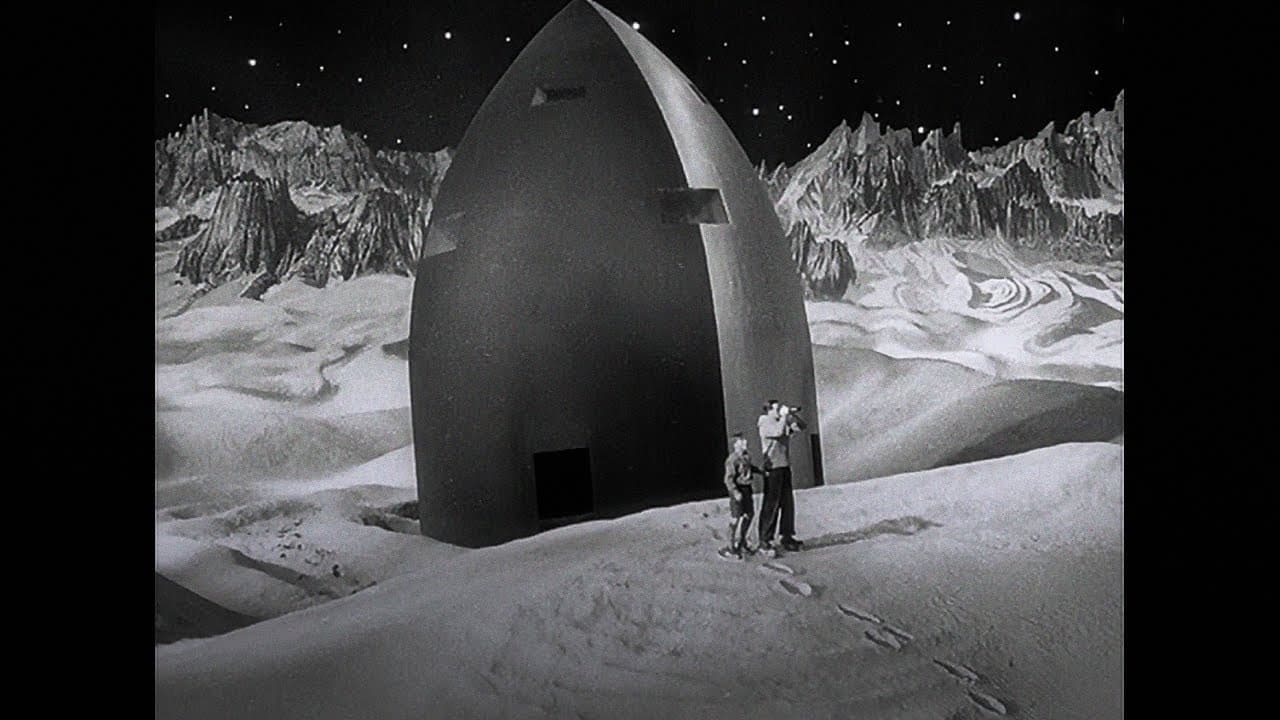
Francis Godwin’s The Man in the Moone helped inspire spaceflight by presenting a voyage to the Moon as the result of human invention. Published anonymously and posthumously in 1638, it follows Domingo Gonsales, who builds a machine powered by wild geese. Godwin’s idea that people could build machines to reach the heavens influenced later generations, making the story worth exploring in detail.
Transcript
I want to tell you a story about stories. And I want to tell you this story because I think we need to remember that sometimes the stories we tell each other are more than just tales or entertainment or narratives. They're also vehicles for sowing inspiration and ideas across our societies and across time. The story I'm about to tell you is about h... Read More
Key Insights
- 🌑 Stories are more than just entertainment or narratives; they can be vehicles for inspiration and ideas across societies and time.
- 🌚 Galileo Galilei's discovery that the Moon was not just a celestial object but a world inspired people to think about how to travel there and write stories about it.
- 🚀 The idea of traveling to the Moon through human invention, as described by Francis Godwin, planted the seed for future generations to explore space.
- ✨ John Wilkins took Godwin's idea seriously and wrote a nonfiction philosophical treatise on space travel, showing the early development of technical methods for spaceflight.
- 🎈 Edgar Allan Poe's story "The Unparalleled Adventure of One Hans Pfaall" influenced the first spaceflight encyclopedia and demonstrated the importance of attention to detail in storytelling.
- 📚 Jules Verne's "From the Earth to the Moon" inspired the first generation of rocket scientists, including Konstantin Tsiolkovsky and Hermann Oberth, who committed themselves to making space travel a reality.
- 🌍 H.G. Wells's "War of the Worlds" directly inspired Robert Goddard, who dedicated his life to developing spacecraft and achieved the flight of a liquid fuel rocket in 1926.
- 📖 Stories and ideas have played a significant role in the cultural processes and economic origins of spaceflight, nurturing passions and influencing social and technological forces for centuries into the future.
Install to Summarize YouTube Videos and Get Transcripts
Explore YouTube Video Summarizer or Get YouTube Transcript Extractor
Questions & Answers
Q: How did The Man in the Moone by Francis Godwin inspire spaceflight?
The Man in the Moone portrayed travel to the Moon as something achieved through human invention, rather than through a dream or magic. Its central idea, that people could build machines capable of traveling into the heavens, planted a seed in minds across generations.
Q: What happens in Francis Godwin’s The Man in the Moone?
The story follows a Spanish explorer named Domingo Gonsales, who becomes marooned on the island of St. Helena. While trying to return home, he creates a machine that harnesses local wild geese and eventually carries him on a voyage to the Moon.
Q: When and how was The Man in the Moone published?
The Man in the Moone, or a Discourse of a Voyage Thither was published in 1638. It appeared posthumously and anonymously, likely because it contained several controversial ideas.
Q: What controversial ideas appeared in The Man in the Moone?
The book endorsed the Copernican view that placed the Sun at the center of the Solar System. It also presented a pre-Newtonian concept of gravity in which an object’s weight decreased as its distance from Earth increased.
Q: Why was Francis Godwin’s Moon voyage different from earlier stories?
Godwin explained the voyage through an invented machine powered by wild geese. Unlike accounts based on dreams or magic, including one written by Johannes Kepler, his story treated reaching the Moon as a product of human invention.
Q: How did John Wilkins build on Francis Godwin’s idea?
John Wilkins took the possibility of space travel in Godwin’s story seriously. He wrote a nonfiction philosophical treatise that considered several technical methods for spaceflight and described the Moon as a potentially habitable world.
Q: What did Galileo’s discoveries contribute to stories about Moon travel?
Using a telescope, Galileo observed that the Moon was a world with high, sunlit mountains and dark areas called mare, the Latin word for seas. After he published these findings in Sidereus Nuncius in 1610, people began imagining how to travel there and writing stories about such voyages.
Q: Why does Alex MacDonald argue that stories matter to technological innovation?
Alex MacDonald argues that stories can carry inspiration and ideas across societies and time. Stories about Moon voyages developed the concept of machines traveling into the heavens, nurturing ideas that later contributed to spaceflight technology and the Apollo program.
Summary & Key Takeaways
-
Stories have a powerful impact on society and inspire ideas and innovation.
-
The concept of space travel originated from stories written by Galileo, Francis Godwin, Edgar Allan Poe, Jules Verne, and H.G. Wells.
-
These stories influenced and inspired the pioneers of astronautics, leading to the development of spaceflight technology and the Apollo program.
Read in Other Languages (beta)
Share This Summary 📚
Summarize YouTube Videos and Get Video Transcripts with 1-Click
Try YouTube Summary with ChatGPT & Claude or YouTube Transcript Generator
Explore More Summaries from TED 📚





Summarize YouTube Videos and Get Video Transcripts with 1-Click
Try YouTube Summary with ChatGPT & Claude or YouTube Transcript Generator