What Are Virtues of Character According to Aristotle?
TL;DR
Aristotle defines virtues of character as habits developed through practice rather than innate traits. He emphasizes that achieving virtue involves finding a mean between excess and deficiency in one's behavior, alongside being in the right state of mind. To shape a virtuous character, individuals must self-examine their tendencies and avoid extremes that could undermine their virtue.
Transcript
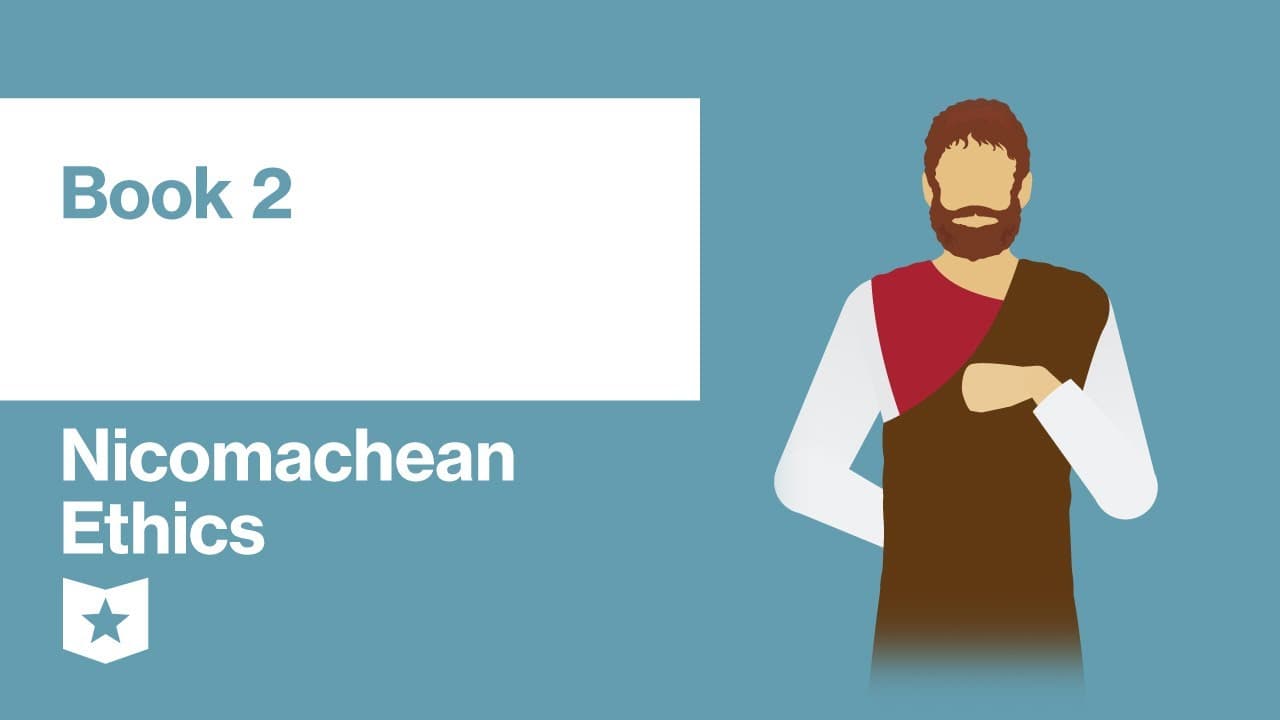
book two of Nicomachean ethics is broken into nine sections section one analyzes virtues of character and illuminates what aristotle means by virtue in general and why he considers virtue so important virtues of thought can be taught they take experience in time virtues of character come from habits the virtues of character do not come to people na... Read More
Key Insights
- 💭 Virtues of thought can be taught, while virtues of character are acquired through practice and habit.
- ⚖️ The doctrine of the mean emphasizes finding the moderate balance between excess and deficiency in virtues.
- 🤯 Virtue requires the right state of mind, decision, and action, aligning with human function.
- 🐕🦺 Virtuous character traits have two possible vices: an excess and a deficiency.
- 🫷 Extremes in character traits may push individuals to opposite extremes, creating the illusion of moderation.
- 🤳 Shaping a virtuous character requires self-examination, awareness of personal vices, and avoidance of extreme positions.
- ❓ Everyone has a bias toward pleasure, which should be considered when evaluating virtuous actions.
Install to Summarize YouTube Videos and Get Transcripts
Explore YouTube Video Summarizer or Get YouTube Transcript Extractor
Questions & Answers
Q: What are the two types of virtues discussed in Aristotle's "Nicomachean Ethics" book two?
Aristotle discusses virtues of thought and virtues of character. Virtues of thought can be taught, while virtues of character come from habits and can be acquired through actions and practice.
Q: What is the doctrine of the mean proposed by Aristotle?
The doctrine of the mean suggests that virtues are ruined by excess or deficiency and that virtue is the state consisting in the mean relative to us. It emphasizes finding the moderate balance between extremes.
Q: How does Aristotle connect virtues to human function?
Aristotle argues that true virtue requires the right state of mind, decision, and action. He believes that virtues align with human function and that a virtuous person knows they are doing the right thing, decides to do it, and acts consistently.
Q: What practical advice does Aristotle provide for shaping a virtuous character?
Aristotle advises individuals to avoid the extreme positions opposed to moderation, examine their own natural tendencies, and be cautious of the vices that tempt them. He also warns about bias toward pleasure, whether virtuous or not.
Summary & Key Takeaways
-
Aristotle highlights the difference between virtues of thought and virtues of character, noting that the latter can be acquired through practice and habit.
-
He emphasizes the doctrine of the mean, stating that virtues are ruined by excess or deficiency and that virtue is the state consisting in the mean relative to us.
-
Aristotle explains the connection between virtues and human function, stating that true virtue requires the right state of mind, decision, and action.
Read in Other Languages (beta)
Share This Summary 📚
Summarize YouTube Videos and Get Video Transcripts with 1-Click
Try YouTube Summary with ChatGPT & Claude or YouTube Transcript Generator
Explore More Summaries from Course Hero 📚

Summarize YouTube Videos and Get Video Transcripts with 1-Click
Try YouTube Summary with ChatGPT & Claude or YouTube Transcript Generator