How Indigenous Knowledge Aids Climate Adaptation
TL;DR
Indigenous knowledge systems offer valuable insights for climate adaptation, particularly in remote areas. Traditional methods, such as water management and architecture, have proven effective for centuries and can be integrated with modern technologies to address current climate challenges. Efforts are underway to conserve and revive these practices, involving local communities and researchers.
Transcript
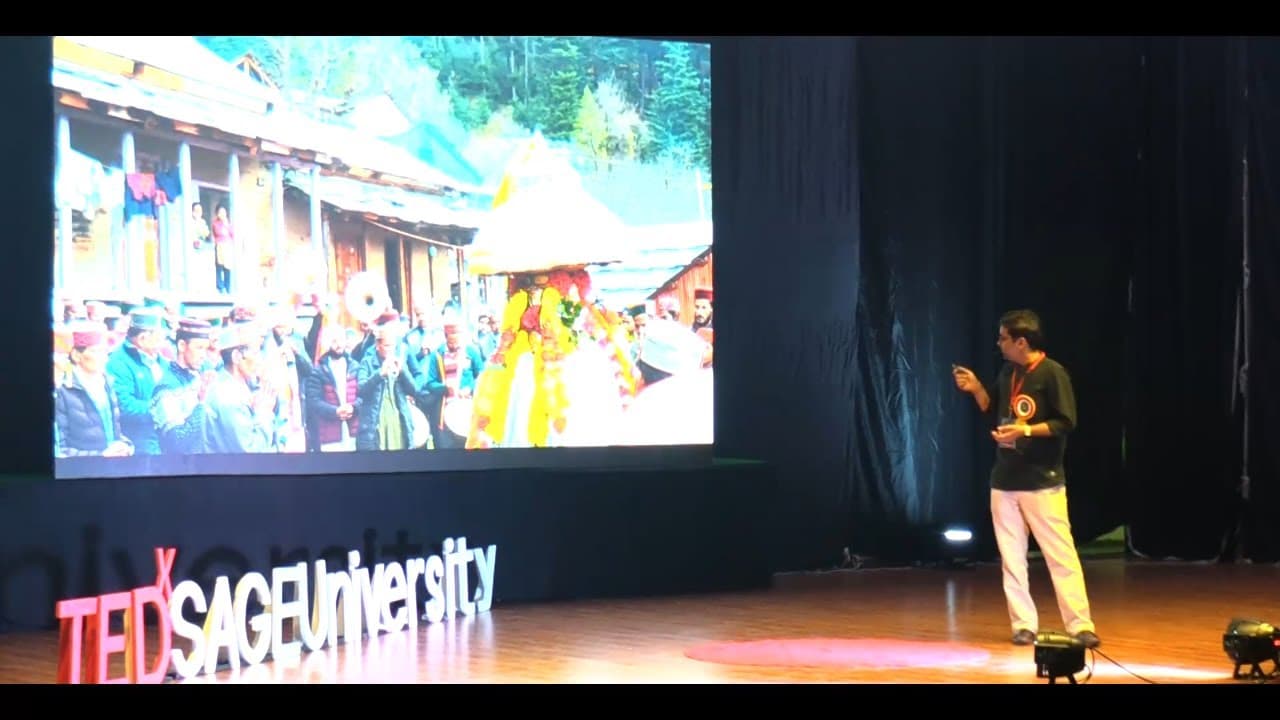
[Applause] hello good afternoon everybody good evening so yeah this is my slide so when we when I work in the field of climate change or Disaster Response we never start with a good photo but I can promise I will end with a nice photo so this is the blaze called kotla it's in the Kulu District in the night of 15th November 2015 there was a fire inc... Read More
Key Insights
- Indigenous knowledge systems have been used for thousands of years to manage natural resources and respond to environmental challenges.
- Traditional water management systems in mountainous regions are being neglected, leading to increased vulnerability during emergencies.
- Katuni architecture in Himachal Pradesh is an example of sustainable building practices using local materials without modern technology.
- Local communities historically planned resource use with foresight, such as planting trees years in advance for future construction needs.
- Community-led conservation projects are reviving traditional practices and integrating them with modern solutions for climate adaptation.
- There is a significant effort to document and translate ancient scripts that contain valuable information on medicinal plants and astrology.
- Training programs and collaborations with local groups aim to preserve indigenous knowledge while providing economic opportunities.
- A research center is being established to facilitate collaboration between indigenous communities and researchers to develop innovative solutions.
Install to Summarize YouTube Videos and Get Transcripts
Explore YouTube Video Summarizer or Get YouTube Transcript Extractor
Questions & Answers
Q: How does indigenous knowledge aid in climate adaptation?
Indigenous knowledge aids climate adaptation by providing time-tested strategies for managing natural resources and responding to environmental changes. Traditional practices such as water management systems and sustainable architecture have been effective for centuries. By integrating these methods with modern technologies, communities can enhance their resilience to climate-related challenges, such as floods and fires.
Q: What are traditional water management systems in mountainous regions?
Traditional water management systems in mountainous regions involve the use of natural springs and step-formed water storage tanks. These systems allowed communities to manage water resources efficiently, even in emergencies. They prioritized water use for drinking, livestock, and other needs. However, modern infrastructure has led to their neglect, reducing resilience during crises like fires.
Q: What is Katuni architecture, and why is it significant?
Katuni architecture is a traditional building style found in Himachal Pradesh, characterized by the use of local materials like wood, stone, and mud without modern technology. It exemplifies sustainable construction practices developed by indigenous communities. This architecture is significant for its resilience and ability to withstand environmental challenges, such as earthquakes, due to its thoughtful design.
Q: How are indigenous communities conserving traditional practices?
Indigenous communities are conserving traditional practices through various initiatives, such as documenting ancient scripts, training programs, and collaborations with local groups. These efforts focus on reviving traditional knowledge, like medicinal plant use and resource management, while providing economic opportunities. Conservation projects also involve integrating traditional methods with modern solutions to address current environmental challenges.
Q: Why is there a need to document ancient scripts in indigenous communities?
Documenting ancient scripts in indigenous communities is crucial because they contain valuable information on topics such as medicinal plants and astrology. These documents, often written in rare scripts, hold insights that can contribute to modern scientific research and sustainable practices. Preserving and translating these scripts ensures that this knowledge is not lost and can be utilized for future generations.
Q: What role do training programs play in preserving indigenous knowledge?
Training programs play a vital role in preserving indigenous knowledge by educating community members and outsiders about traditional practices. They facilitate the transfer of skills and knowledge related to resource management, construction techniques, and other cultural practices. These programs also provide economic opportunities by reviving traditional livelihoods and integrating them with modern market demands.
Q: How does the research center contribute to indigenous knowledge preservation?
The research center contributes to indigenous knowledge preservation by serving as a hub for collaboration between indigenous communities and researchers. It facilitates the exchange of knowledge, supports documentation and translation efforts, and encourages the development of innovative solutions that combine traditional practices with modern science. The center aims to enhance climate adaptation strategies and promote sustainable development.
Q: What are the economic opportunities associated with conserving indigenous knowledge?
Conserving indigenous knowledge creates economic opportunities by reviving traditional livelihoods and integrating them with modern markets. Training programs help community members develop skills to produce goods and services based on traditional practices. Collaborations with local groups and the establishment of small business units enable communities to sell products directly to the market, enhancing their economic resilience.
Summary & Key Takeaways
-
Indigenous knowledge systems, honed over centuries, provide effective strategies for climate adaptation. These systems include traditional water management and architecture, which have historically helped communities manage resources sustainably. Current efforts focus on reviving these practices, integrating them with modern technologies, and involving local communities in conservation projects to address climate challenges.
-
In mountainous regions, traditional water systems have been neglected, causing increased vulnerability during emergencies. Reviving these systems and combining them with modern solutions can enhance resilience. Katuni architecture exemplifies sustainable building practices, using local materials and techniques developed by indigenous communities without modern technology.
-
Efforts to conserve indigenous knowledge involve documenting ancient scripts, training programs, and collaborations with local groups. These initiatives aim to preserve valuable insights on medicinal plants and resource management while providing economic opportunities. A new research center will facilitate collaboration between communities and researchers to develop innovative climate adaptation strategies.
Read in Other Languages (beta)
Share This Summary 📚
Summarize YouTube Videos and Get Video Transcripts with 1-Click
Try YouTube Summary with ChatGPT & Claude or YouTube Transcript Generator
Explore More Summaries from TEDx Talks 📚




Summarize YouTube Videos and Get Video Transcripts with 1-Click
Try YouTube Summary with ChatGPT & Claude or YouTube Transcript Generator