How to Find the Courage to Become a Beginner Again
TL;DR
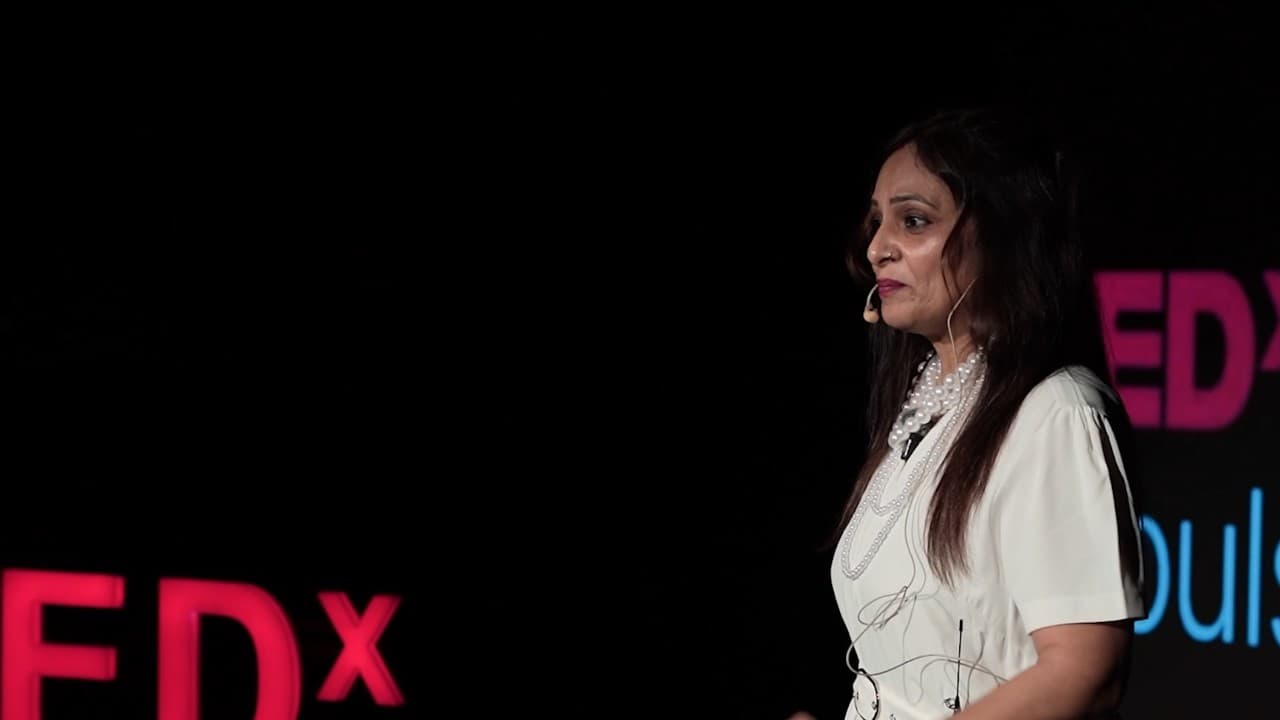
Starting over requires confronting the ego that resists being inexperienced, then choosing curiosity over comfort. Sonu Shrimali rebuilt her confidence and expanded her teaching career by learning computers, artificial intelligence, and online instruction after age 50. Her experience suggests that continuous learning, adaptation, and willingness to accept help can turn professional disruption into renewed purpose.
Transcript
Namaskar. Today, I would love to start with a confession. A confession which I had believed for years that I had fully figured my life. I was a teacher for last thirty years, and after teaching in some of the most reputed schools of Kolkata, I felt that I knew everything about myself. My parents trusted me, my student respected me, and I walked int... Read More
Key Insights
- The fear of becoming a beginner can be more limiting than technology or change itself. Shrimali discovered that her resistance came from not wanting to endure uncertainty, mistakes, and trial and error after spending 30 years as an experienced teacher.
- Ego can obstruct learning when expertise becomes part of a person's identity. Shrimali began rebuilding her confidence only after admitting that she needed instruction and accepting help from online resources and one of her class 12 students.
- Learning has no age limit because curiosity does not expire. At age 50, Shrimali studied artificial intelligence, computers, and online teaching, using Google in the morning, YouTube in the evening, and direct guidance from a student.
- Comfort can lead to stagnation when it removes the need to remain curious. Shrimali presents continued learning as a way to stay mentally young, because beginning again restores curiosity and creates opportunities for personal and professional reinvention.
- Age measures years lived, but it does not determine how much purpose remains. Shrimali points to her own career renewal after 50 and says that people can begin meaningful work later rather than treating age as a deadline.
- Adaptation can expand professional opportunities rather than merely preserve existing work. After learning online teaching and artificial intelligence, Shrimali could teach both offline and online, which she says increased her income and elevated her career.
- Artificial intelligence threatens unwillingness to adapt more than it threatens human teaching itself. Shrimali argues that teachers who learn, grow, and upgrade their technological skills retain a human capacity to recognize fear and offer personal encouragement.
- Being a beginner is a courageous response to a changing world, not evidence of weakness. Shrimali reframes moments of feeling left behind as invitations to rediscover one's voice, acquire new abilities, and begin another stage of life.
Install to Summarize YouTube Videos and Get Transcripts
Explore YouTube Video Summarizer or Get YouTube Transcript Extractor
Questions & Answers
Q: How can experienced professionals overcome the fear of starting again?
Experienced professionals can begin by identifying whether they truly fear the new tool or whether they fear losing the status of being competent. Shrimali recognized that her main obstacle was ego and resistance to becoming inexperienced again. She moved forward by accepting mistakes, tolerating trial and error, using online learning resources, and receiving instruction from one of her own students.
Q: Why was becoming a beginner difficult for Sonu Shrimali?
Becoming a beginner was difficult because Shrimali had spent 30 years developing confidence and expertise as a teacher. When teaching moved online, familiar strengths in Shakespeare, grammar, and communication did not immediately solve basic technical problems. She felt left behind and feared repeating the struggles associated with learning from the beginning, especially at age 50.
Q: What caused Sonu Shrimali to reconsider her career during the pandemic?
The move from physical classrooms to online teaching removed Shrimali's familiar classroom, blackboard, and routine. During her first online class, students repeatedly told her that she was muted while she struggled with the controls. Her confidence fell further when a parent said they wanted a teacher who was more comfortable conducting classes online.
Q: How did Sonu Shrimali learn to teach online after age 50?
Shrimali learned by deliberately returning to the role of a student. She studied computers, artificial intelligence, and methods for conducting online classes. Google served as her morning teacher, YouTube as her evening tutor, and a class 12 student became her computer instructor. This combination of self-study and accepting help allowed her to become a tech-savvy teacher.
Q: What are the three main lessons from Sonu Shrimali's career reinvention?
Shrimali identifies three lessons from rebuilding her career. First, learning has no age limit and curiosity has no expiry date. Second, age is only a measure of years lived, not a measure of remaining purpose. Third, people must continually upgrade their abilities or risk becoming obsolete as the world and professional requirements change.
Q: How did learning technology affect Sonu Shrimali's teaching career?
Learning computers, artificial intelligence, and online instruction allowed Shrimali to move beyond teaching only in offline settings. She says that offering both offline and online teaching increased her income and took her career to another level. More importantly, the learning process rebuilt her confidence and helped her see age 54 as another beginning rather than the end of her career.
Q: Can artificial intelligence replace human teachers according to Sonu Shrimali?
Shrimali argues that artificial intelligence cannot replace adaptable human teachers, but it can replace teachers who refuse to learn, grow, or upgrade their skills. She believes human teachers retain a distinctive role because they can look into the eyes of a frightened student, communicate personal belief, and provide encouragement that helps the student continue.
Q: Why does curiosity matter when adapting to professional change?
Curiosity matters because it motivates people to leave their comfort zones and acquire abilities that changing circumstances demand. Shrimali connects stagnation with remaining comfortable and describes curiosity as a sign of youth. By becoming curious about technology and online teaching, she transformed an experience of helplessness into renewed confidence, wider teaching opportunities, and a rediscovered professional voice.
Summary & Key Takeaways
-
After 30 years of classroom teaching, Sonu Shrimali struggled when the pandemic moved education online. Technical difficulties, including remaining muted during her first online class, damaged her confidence. A parent's request for someone more comfortable with online teaching forced her to examine whether technology, change, or something deeper was causing her fear.
-
Shrimali concluded that her real obstacle was the fear of becoming a beginner again and the ego attached to being experienced. At age 50, she began learning computers, artificial intelligence, and online teaching through Google, YouTube, and help from a class 12 student who became her computer teacher.
-
The experience produced three central lessons: learning has no age limit, age does not determine remaining purpose, and people must keep upgrading their skills. Shrimali argues that artificial intelligence cannot replace adaptable human teachers, whose distinctive value includes recognizing frightened students, expressing belief in them, and providing personal encouragement.
Read in Other Languages (beta)
Share This Summary 📚
Summarize YouTube Videos and Get Video Transcripts with 1-Click
Try YouTube Summary with ChatGPT & Claude or YouTube Transcript Generator
Explore More Summaries from TEDx Talks 📚
Summarize YouTube Videos and Get Video Transcripts with 1-Click
Try YouTube Summary with ChatGPT & Claude or YouTube Transcript Generator