Recommended byJordan Peterson
About This Book
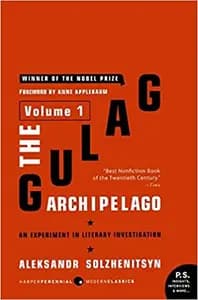
Gulag Archipelago by Aleksandr Solzhenitsyn is a riveting historical nonfiction book that exposes the dark underbelly of the Soviet Gulag system. With its meticulously researched accounts and powerful narrative, it unveils the unimaginable horrors endured by millions of prisoners in the Soviet labor camps during the Stalinist regime.
Through a series of short, impactful paragraphs, Solzhenitsyn provides an unflinching examination of the Gulag's origins, operations, and the experiences of those trapped within its grim confines. He details the arrest, interrogation, and dehumanization processes that marked the lives of countless innocent victims, while also delving into the psychological and moral aspects of their imprisonment.
Solzhenitsyn's writing delves into the daily struggles and acts of resistance carried out by prisoners, as well as the arbitrary and cruel punishments inflicted upon them by the camp authorities. The book portrays the Gulag as an expansive and all-encompassing network, an archipelago of camps spread across the Soviet Union, illustrating the vast extent of the state's reach and control over its people.
Moreover, Gulag Archipelago is a powerful critique of the Soviet political system and its totalitarian methods. Solzhenitsyn reveals the corruption, cruelty, and absurdity inherent in the regime while carefully dissecting the ideological justifications and propaganda that sustained it. He argues that the Gulag was not simply a historical aberration, but rather a natural consequence of the oppressive system established by the Communist Party.
As Solzhenitsyn recounts his own experiences as a Gulag inmate, he weaves together personal anecdotes, eyewitness accounts, and archival evidence to construct a harrowing and damning indictment of Stalinist Russia. By shedding light on this hidden chapter of Soviet history, the book serves as a warning against the recurring dangers of authoritarianism and the erosion of individual and human rights.
With its profound insights and powerful prose, Gulag Archipelago stands as an enduring testament to the strength of the human spirit in the face of adversity and oppression, while also providing a chilling reminder of the horrors that can be unleashed by totalitarian regimes.
Through a series of short, impactful paragraphs, Solzhenitsyn provides an unflinching examination of the Gulag's origins, operations, and the experiences of those trapped within its grim confines. He details the arrest, interrogation, and dehumanization processes that marked the lives of countless innocent victims, while also delving into the psychological and moral aspects of their imprisonment.
Solzhenitsyn's writing delves into the daily struggles and acts of resistance carried out by prisoners, as well as the arbitrary and cruel punishments inflicted upon them by the camp authorities. The book portrays the Gulag as an expansive and all-encompassing network, an archipelago of camps spread across the Soviet Union, illustrating the vast extent of the state's reach and control over its people.
Moreover, Gulag Archipelago is a powerful critique of the Soviet political system and its totalitarian methods. Solzhenitsyn reveals the corruption, cruelty, and absurdity inherent in the regime while carefully dissecting the ideological justifications and propaganda that sustained it. He argues that the Gulag was not simply a historical aberration, but rather a natural consequence of the oppressive system established by the Communist Party.
As Solzhenitsyn recounts his own experiences as a Gulag inmate, he weaves together personal anecdotes, eyewitness accounts, and archival evidence to construct a harrowing and damning indictment of Stalinist Russia. By shedding light on this hidden chapter of Soviet history, the book serves as a warning against the recurring dangers of authoritarianism and the erosion of individual and human rights.
With its profound insights and powerful prose, Gulag Archipelago stands as an enduring testament to the strength of the human spirit in the face of adversity and oppression, while also providing a chilling reminder of the horrors that can be unleashed by totalitarian regimes.
What People Are Saying
“A book that I found particularly influential in my intellectual development.”
Revisit Your Highlights, Deepen Your Understanding
Import your Kindle highlights to review, organize, and share the ideas that matter most to you.
Get the free browser extension
Share This Book
More Books in Politics
View More
Permanent Record
Edward Snowden
The End of Power
Moises Naim

Expert Political Judgement
Philip E. Tetlock
More Human
Steve Hilton

Taxes Have Consequences
Art Laffer

Team of Rivals
Doris Kearns Goodwin
The Fourth Revolution
John Micklethwait
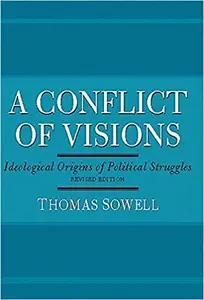
A Conflict of Visions
Thomas Sowell

A Fighting Chance
Elizabeth Warren
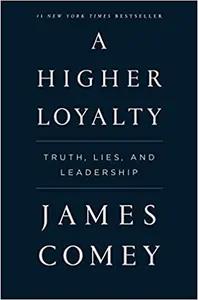
A Higher Loyalty
James Comey

A Practical Guide for Policy Analysis
Eugene S. Bardach

A Very Expensive Poison
Luke Harding

Accidental Presidents
Jared Cohen

All Out War
Tim Shipman

American Crusade
Pete Hegseth

Anti Americanism
Jean Francois Revel

BLITZ
David Horowitz

Battlegrounds
H.R. McMaster

Blackout
Candace Owens

Chaos
Tom O'Neill

Chasing Hillary
Amy Chozick

Civilian Warriors
Erik Prince

Dark Towers
David Enrich

Days of Rage
Bryan Burrough

Dear Leader
Jang Jin-Sung

Defend The Border and Save Lives
Tom Homan

Defender In Chief
John Yoo
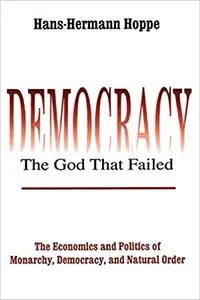
Democracy
Hans-Hermann Hoppe

Devil's Bargain
Joshua Green

Devouring Freedom
W. James Antle III
Popular Books Recommended by Great Minds 📚
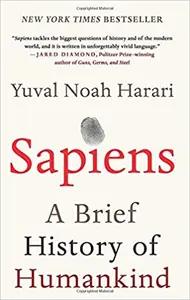
Sapiens
Yuval Noah Harari
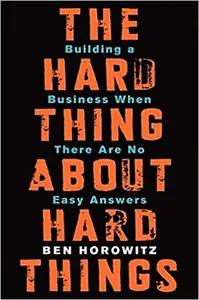
The Hard Thing About Hard Things
Ben Horowitz
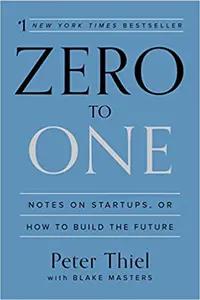
Zero to One
Peter Thiel
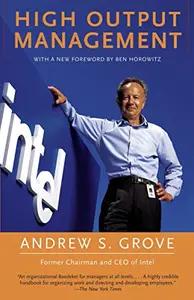
High Output Management
Andrew Grove

Principles
Ray Dalio

Shoe Dog
Phil Knight
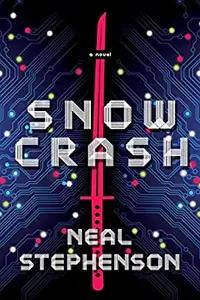
Snow Crash
Neal Stephenson
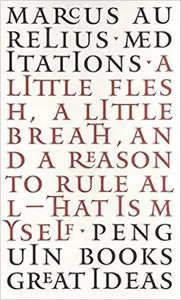
Meditations
Marcus Aurelius
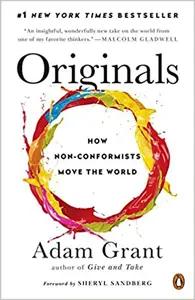
Originals
Adam Grant
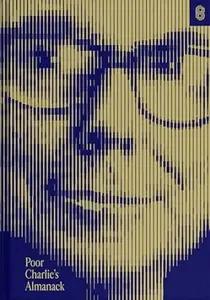
Poor Charlie's Almanack
Charlie Munger

The Innovators Dilemma
Clayton Christensen
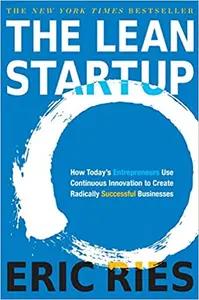
The Lean Startup
Eric Reis
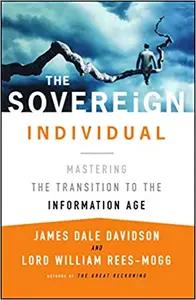
The Sovereign Individual
James Dale Davidson & William Rees-Mogg
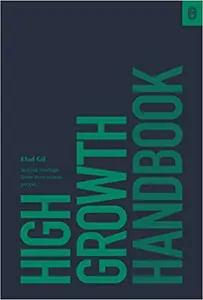
High Growth Handbook
Elad Gil
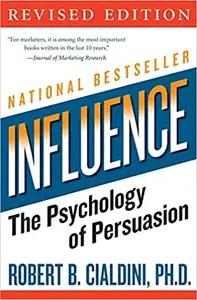
Influence
Robert Cialdini
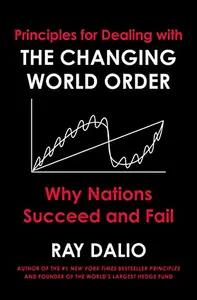
Principles for Dealing With The Changing World Order
Ray Dalio
Rework
Jason Fried
Surely You're Joking Mr. Feynman
Richard Feynman

The Ride of a Lifetime
Bob Iger
The Three Body Problem
Cixin Liu
Thinking, Fast and Slow
Daniel Kahneman
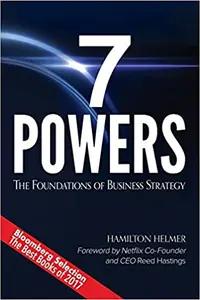
7 Powers
Hamilton Helmer
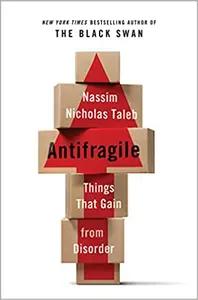
Antifragile
Nassim Nicholas Taleb
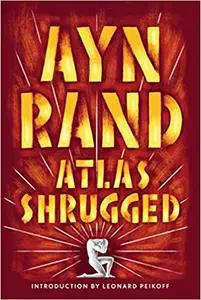
Atlas Shrugged
Ayn Rand
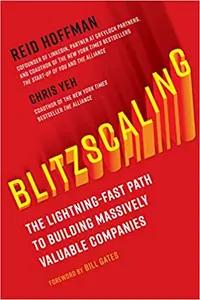
Blitzscaling
Reid Hoffman

Dune
Frank Herbert

Foundation
Isaac Asimov
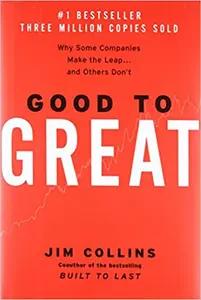
Good To Great
Jim Collins

Hopping Over The Rabbit Hole
Anthony Scaramucci
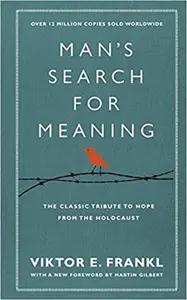
Man's Search for Meaning
Viktor Frankl