What Happened in Three Bizarre Real-Life Stories?
TL;DR
A Japanese soldier continued fighting on Lubang until March 9, 1974, unaware that World War II had ended 29 years earlier. The collection also follows three exhausted friends whose speeding pickup truck plunged from a dark coastal road, plus a government official who ignored warnings connected to a legendary curse.
Transcript
Sometimes the truth is stranger than fiction. And today I'm going to share three stories that all demonstrate that. But before we get into those stories, if you're a fan of the strange, dark, and mysterious delivered in story format, then you've come to the right place because that's all we do. And we upload two, three, even four times every week. ... Read More
Key Insights
- Lieutenant Hiro Onota remained on Lubang because Japanese forces accidentally left him and Kazuka behind during World War II, and he continued interpreting the island and its inhabitants through the mission he had originally received.
- Sabotage was the soldiers’ organizing purpose, and they burned bundles of harvested rice because they believed the crop would feed enemy forces. This repeated pattern of attacking and retreating into the jungle anchored their existence on the island.
- Kazuka was killed by gunfire during the rice-field sabotage, leaving Onota isolated, exhausted, and depressed. Onota survived by eating banana peels and stealing whatever food he could obtain from local farmers.
- Onota interpreted rescue efforts as enemy tactics because search parties included armed personnel, called his name, and operated near his hiding place. Even when he encountered relaxed men with rifles, he feared they would discover his footprints and locate his cave.
- World War II had ended 29 years before Onota surrendered on March 9, 1974. He accepted the truth only after recognizing his former commanding officer’s voice and receiving direct permission to stop fighting and return home.
- Onota’s continued campaign harmed innocent people because the individuals he treated as enemy soldiers were Filipino farmers, villagers, and police officers. His return to Japan received a hero’s welcome, but the deaths and suffering made the event highly sensitive.
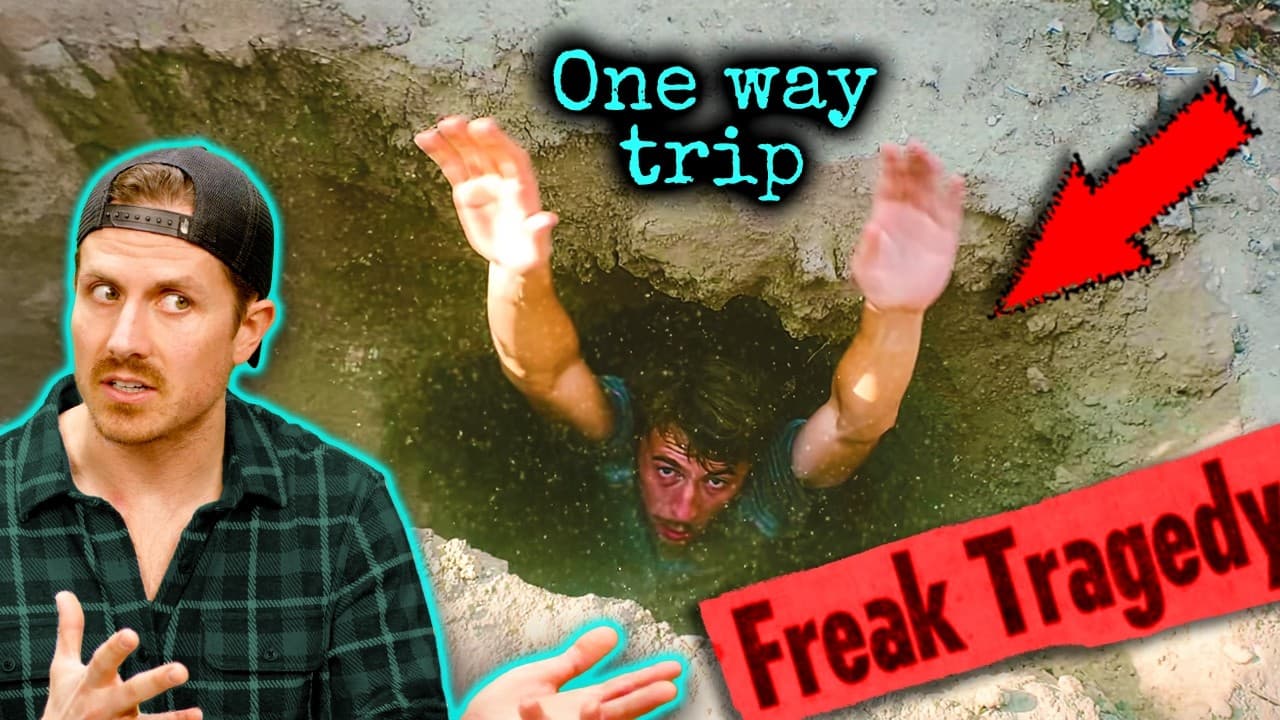
- Frank Isco’s crash followed a combination of darkness, fatigue, and speed on West Cliff Drive. After spending the day at the beach, Frank and his two friends were nearly falling asleep while traveling home at about 11 p.m.
- Frank’s pickup truck crossed the roadside barrier after he noticed a sharp curve too late to stop safely. The occupants expected to fall into the ocean and drown, but the truck instead struck an unexpectedly hard surface and stopped falling.
Install to Summarize YouTube Videos and Get Transcripts
Explore YouTube Video Summarizer or Get YouTube Transcript Extractor
Questions & Answers
Q: Why did Hiro Onota continue fighting after World War II?
Hiro Onota continued fighting because he did not know that World War II had ended and believed he remained bound by his original military mission. After Japanese forces evacuated Lubang and accidentally left him behind, he treated local people, police officers, and later search parties as enemies attempting to capture or deceive him.
Q: How did Hiro Onota and Kazuka sabotage the rice field?
Onota and Kazuka crawled from the jungle toward bundles of rice that local farmers had harvested. Believing the rice would be sent to feed enemy forces, Onota lit two torches, and the soldiers ran through the field setting bundle after bundle on fire. Gunfire followed, and Kazuka was fatally shot while they fled.
Q: What happened to Hiro Onota after Kazuka was killed?
After Kazuka’s death, Onota was probably the only Japanese soldier remaining on Lubang. He continued patrolling despite feeling exhausted and depressed, survived on banana peels and food stolen from farmers, and moved from the jungle into an underground cave. He remained armed and interpreted patrols and aircraft as operations directed against him.
Q: Why did Hiro Onota distrust the people searching for him?
Onota believed the war was still underway, so he interpreted people calling his name and moving through the jungle as enemy soldiers trying to force him from hiding. Even though the Japanese government sent search parties after Kazuka’s body was recovered, Onota viewed those searchers through the assumptions of his continuing mission and refused to surrender.
Q: How was Hiro Onota finally persuaded to surrender?
Onota surrendered after someone standing above his cave called his name and began speaking. He recognized the voice as that of his former commanding officer, emerged from hiding, wept, saluted, and asked whether he was finally permitted to return home. The officer confirmed that he was, allowing Onota to lay down his arms.
Q: When did Hiro Onota discover that World War II had ended?
Onota finally accepted that the war was over on March 9, 1974, when his former commanding officer reached him on Lubang. World War II had ended 29 years earlier. Until that encounter, Onota had mistaken Filipino farmers, villagers, police officers, and Japanese search parties for hostile forces involved in the conflict.
Q: What caused Frank Isco’s truck to go over the cliff?
Frank was driving quickly along West Cliff Drive at about 11 p.m. on April 19, 1958. The coastal road was dark and lacked streetlights, while Frank and his two friends were exhausted after a day at the beach. Frank noticed a sharp curve too late, lost control, struck the barrier, and went over the cliff.
Q: What happened after Frank Isco’s pickup truck left the road?
Frank and his friends felt the pickup pass the metal barrier and become weightless as it fell toward the ocean. They expected the truck to hit the water, fill through the windows, and sink. Instead, it slammed into something unexpectedly hard, stopped falling, and did not immediately take on water, leaving the occupants disoriented.
Summary & Key Takeaways
-
Lieutenant Hiro Onota remained on Lubang after Japanese forces evacuated during World War II. Believing his mission continued, he and Kazuka sabotaged supplies, including harvested rice intended for people they considered enemies. Their actions repeatedly brought them into conflict with Filipino farmers, villagers, police officers, and search parties.
-
After Kazuka was killed during the rice-field sabotage, Onota lived alone in an underground cave and continued armed patrols. Searchers called his name, but he interpreted their efforts as enemy operations. On March 9, 1974, his former commanding officer arrived, formally released him from duty, and persuaded him to surrender.
-
On April 19, 1958, 22-year-old Frank Isco drove two friends along West Cliff Drive in Santa Cruz after an exhausting beach trip. Traveling quickly on a dark road, he missed a sharp curve, struck a metal barrier, and plunged over a cliff. Instead of reaching the ocean, the truck hit something unexpectedly hard.
Read in Other Languages (beta)
Share This Summary 📚
Summarize YouTube Videos and Get Video Transcripts with 1-Click
Try YouTube Summary with ChatGPT & Claude or YouTube Transcript Generator
Explore More Summaries from MrBallen 📚




Summarize YouTube Videos and Get Video Transcripts with 1-Click
Try YouTube Summary with ChatGPT & Claude or YouTube Transcript Generator