How Did OpenAI Respond to the New York Times Lawsuit?
TL;DR
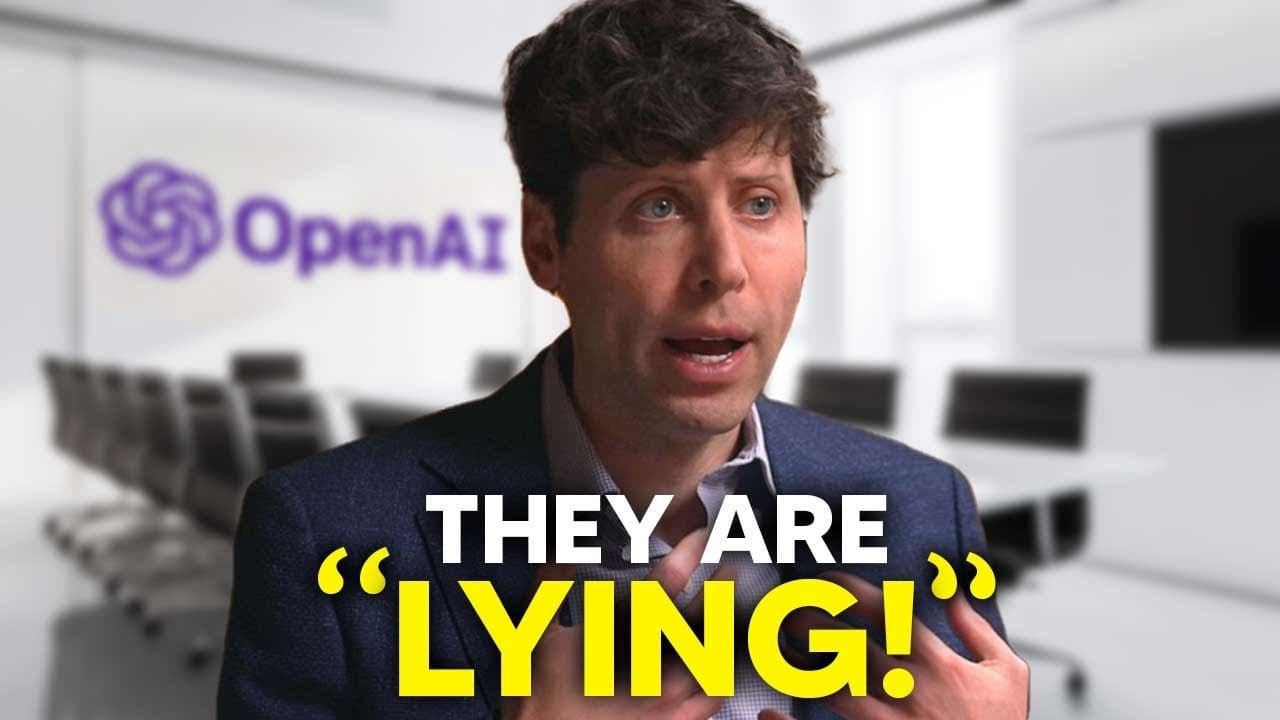
OpenAI's response to the New York Times lawsuit emphasizes their commitment to fair use and collaboration with news organizations. They argue that training AI models with publicly available content is legally supported and that they provide opt-out options for publishers. OpenAI also addresses concerns about content regurgitation, stating it is a rare occurrence they are actively working to minimize.
Transcript
so open actually has responded to the New York Times lawsuit and I don't know how they actually responded legally but this is going to be how they responded publicly and I think it's important that openi has responded publicly because of course if they do that it you know shows that they do care about their brand image because another company comin... Read More
Key Insights
- 👯 OpenAI emphasizes empowering people through AI tools globally.
- 🤩 Collaboration with news organizations is a key focus for OpenAI.
- 😒 Responsible AI use and prevention of regurgitation are top priorities for OpenAI.
- ⏯️ Fair use and opt-out provisions play a crucial role in OpenAI's approach.
- 🐛 Addressing regurgitation bugs swiftly showcases OpenAI's commitment to resolving issues.
- 💯 Education, innovation, and mutual partnerships are core values for OpenAI in journalism.
- ❓ The lawsuit response reflects OpenAI's commitment to fairness and constructive partnerships.
Install to Summarize YouTube Videos and Get Transcripts
Explore YouTube Video Summarizer or Get YouTube Transcript Extractor
Questions & Answers
Q: How did OpenAI publicly respond to the New York Times lawsuit?
OpenAI responded by emphasizing their goal of empowering people, disagreeing with the claims while stressing fair use, opt-out options, and regurgitation prevention.
Q: What partnerships has OpenAI pursued with news organizations?
OpenAI has partnered with news organizations to support journalism, benefit reporters, educate AI models, and create mutually beneficial opportunities, emphasizing responsible use and innovation.
Q: How does OpenAI address regurgitation issues in their AI models?
OpenAI acknowledges regurgitation as a rare bug, implements measures to prevent it, expects responsible user behavior, swiftly fixes any issues, and emphasizes the broader educational purpose of their models.
Q: What are the key insights from OpenAI's response to the New York Times lawsuit?
OpenAI values collaboration, promotes responsible AI use, addresses regurgitation bugs swiftly, emphasizes fair use and opt-out provisions, and highlights the transformative potential of AI.
Summary & Key Takeaways
-
OpenAI aims to empower people through AI tools used globally.
-
Disagrees with New York Times lawsuit, cites fair use, opt-out provision, and bug prevention.
-
Collaborates with news organizations, emphasizes responsible AI use, and values partnerships in journalism.
Read in Other Languages (beta)
Share This Summary 📚
Summarize YouTube Videos and Get Video Transcripts with 1-Click
Try YouTube Summary with ChatGPT & Claude or YouTube Transcript Generator
Explore More Summaries from TheAIGRID 📚






Summarize YouTube Videos and Get Video Transcripts with 1-Click
Try YouTube Summary with ChatGPT & Claude or YouTube Transcript Generator