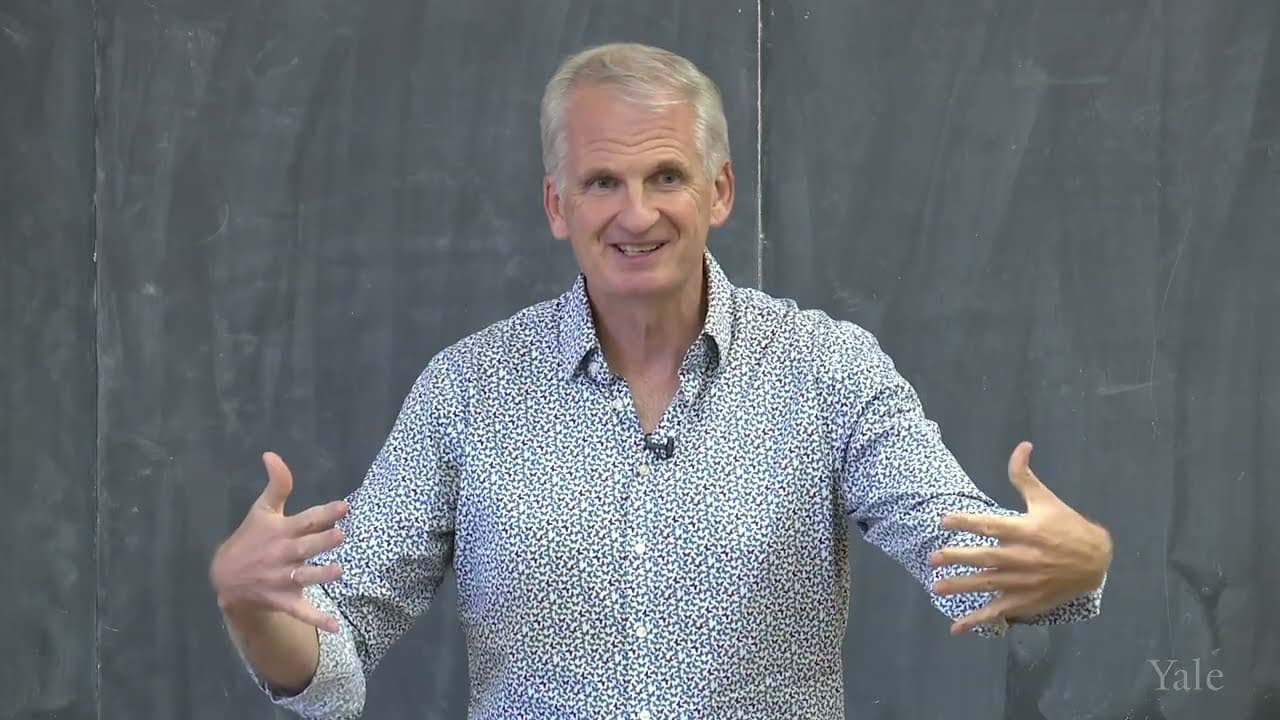
Timothy Snyder: Making of Modern Ukraine.Class 17. Reforms, Recentralization, Dissidence:1950s-1970s
TL;DR
The Second World War played a significant role in shaping the identity and political memory of nations, particularly Ukraine and Russia, which influenced their relationships and attitudes towards each other.
Transcript
(mysterious music) - So today, we're gonna, we're a little bit behind chronologically. I need to spend some more time on the 1940s and 1950s, which is what we're gonna do today. And then the next lecture, we'll catch up to Khrushchev and Brezhnev. What we need to make sure we understand because it's really important for everything that comes later ... Read More
Key Insights
- 😥 The Second World War was a critical turning point for the Soviet Union, Ukraine, and Russia, shaping their identities and political narratives.
- 🥺 Ethnic cleansing and deportations were prevalent during and after the war, leading to population shifts and strained relations between different ethnic groups.
- 🥺 The war also marked a shift from economic transformation to cultural focus, with Russian culture elevated as superior, leading to the downgrading of Ukrainian culture.
- ▶️ The war played a significant role in the relationship between Ukraine and Poland, with both countries carrying out ethnic cleansing and deportations of each other's populations.
Install to Summarize YouTube Videos and Get Transcripts
Explore YouTube Video Summarizer or Get YouTube Transcript Extractor
Questions & Answers
Q: How did the Second World War shape the identity of Ukraine and Russia?
The war played a crucial role in shaping the national stories and political memory of Ukraine and Russia. For Ukraine, it marked the beginning of the Soviet Union's legitimation and the rise of Ukrainian nationalism. In Russia, it solidified the belief in a superior Russian nation and its leading role in the Soviet Union.
Q: How did the war affect Ukrainian-Russian relations?
The war created a common ground between Russia and Germany, where they both saw Ukraine and its people as insignificant and unimportant. This sentiment allowed them to perpetuate stereotypes about Ukraine and its alleged corruption and lack of identity.
Q: Were there collaborations between Ukrainians and Germans during the war?
Yes, there were collaborations between some Ukrainians and Germans during the war. Some members of the Organization of Ukrainian Nationalists collaborated with the Germans, while others joined the Soviet militia and then switched sides to join the German police force.
Q: How did the Soviets handle Ukraine and its nationalist movement after the war?
The Soviet Union employed a dual approach towards Ukraine after the war. On the one hand, they crushed the nationalist movement through counterinsurgency and deportations. On the other hand, they fulfilled the nationalist agenda by expanding Ukraine's borders and carrying out ethnic cleansing of non-Ukrainians.
Summary & Key Takeaways
-
The Second World War had profound effects on the political and cultural landscape of nations, including Ukraine, Russia, and Poland.
-
The war served as a starting point for the legitimation of the Soviet Union and the formation of national stories.
-
The conflict also highlighted the importance of territory and memory, shaping the way people think about responsibility for the war.
Read in Other Languages (beta)
Share This Summary 📚
Summarize YouTube Videos and Get Video Transcripts with 1-Click
Try YouTube Summary with ChatGPT & Claude or YouTube Transcript Generator
Explore More Summaries from YaleCourses 📚

Summarize YouTube Videos and Get Video Transcripts with 1-Click
Try YouTube Summary with ChatGPT & Claude or YouTube Transcript Generator