How Does Art Evoke Empathy in Viewers?
TL;DR
Art evokes empathy by vividly representing human suffering and emotion, allowing viewers to connect with the experiences of others across time and space. Through various mediums like painting, sculpture, and photography, artworks stimulate emotional responses that bridge cultural divides and foster understanding. This ability of art to elicit empathy is essential for encouraging awareness and compassion in society.
Transcript
“Empathy” is a word we hear pretty often these days, used to describe our ability to understand the experience of someone else, and in some way share in their feelings or plight. And art can be really good at stimulating empathy. For example, if you look at Francisco Goya’s The Third of May 1808, it’s nearly impossible not to feel for its main subj... Read More
Key Insights
- 🥰 Art has been a powerful tool throughout history for evoking empathy by depicting human emotions and suffering.
- 💦 Artists portray raw human emotions in their works to trigger emotional responses and connect viewers with past experiences.
- 🥰 Empathy in art extends beyond human suffering to various emotions and experiences, fostering connections between individuals.
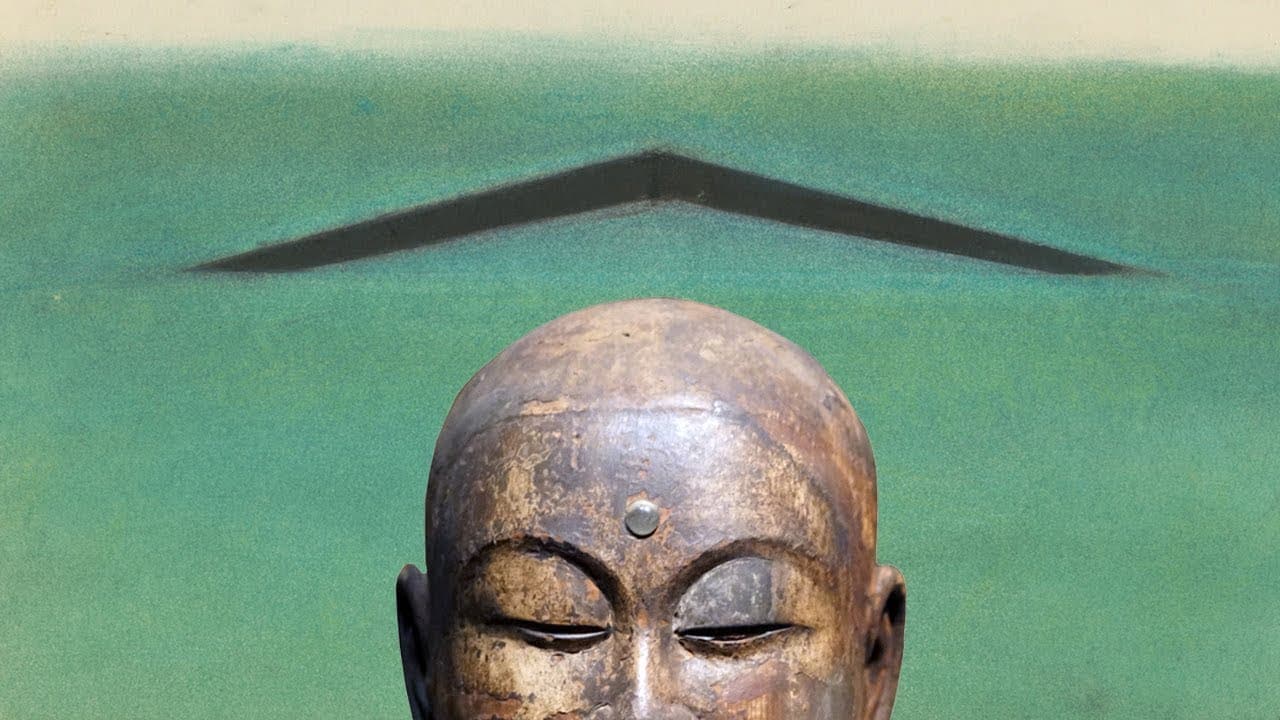
- 🥋 Different art forms, such as sculptures, manuscripts, and memorials, offer unique ways to provoke empathy and contemplation.
- 🥰 The role of art in bridging cultural divides and fostering cross-cultural empathy is exemplified by collaborative projects like Ghana Think Tank.
- 🧑🎨 Understanding and experiencing empathy through art involves engaging with the intentions and emotions of artists, enriching our perspectives on humanity.
- 🥰 Art serves as a medium for sharing diverse experiences, fostering empathy, and encouraging nuanced understanding of others.
Install to Summarize YouTube Videos and Get Transcripts
Explore YouTube Video Summarizer or Get YouTube Transcript Extractor
Questions & Answers
Q: How does art stimulate empathy in viewers?
Art achieves this by depicting human suffering, invoking emotional responses, and connecting viewers to past events or experiences, fostering empathy towards the subjects.
Q: How does the Röttgen Pietà differ from traditional depictions of the biblical story?
The Röttgen Pietà emphasizes the humanity of the figures, portraying Mary and Jesus in a raw, emotional state that deviates from the traditional peaceful depictions, enhancing empathy for their suffering.
Q: How did artist Guáman Poma use his illustrated manuscript to inspire empathy for the Inka people's suffering?
Guáman Poma documented the abuses of the Spanish against the Inkas in his manuscript, aiming to generate empathy by detailing their history, offering suggestions for better governance, and appealing directly to the Spanish King.
Q: How does the Vietnam Veterans Memorial symbolize empathy towards fallen soldiers?
The memorial's design by Maya Lin expresses empathy by reflecting visitors in the black granite surface alongside the names of the deceased, creating a powerful connection and inviting contemplation of individual lives lost in war.
Summary & Key Takeaways
-
Art has consistently evoked empathy for human suffering throughout history.
-
Various artworks such as Goya’s The Third of May 1808 and the Röttgen Pietà induce emotional responses by depicting human suffering.
-
Different art forms like photography, sculptures, and manuscripts connect viewers to past tragedies and evoke empathy.
Read in Other Languages (beta)
Share This Summary 📚
Summarize YouTube Videos and Get Video Transcripts with 1-Click
Try YouTube Summary with ChatGPT & Claude or YouTube Transcript Generator
Explore More Summaries from The Art Assignment 📚


Summarize YouTube Videos and Get Video Transcripts with 1-Click
Try YouTube Summary with ChatGPT & Claude or YouTube Transcript Generator