How Will Coronavirus Impact the Global Economy?
TL;DR
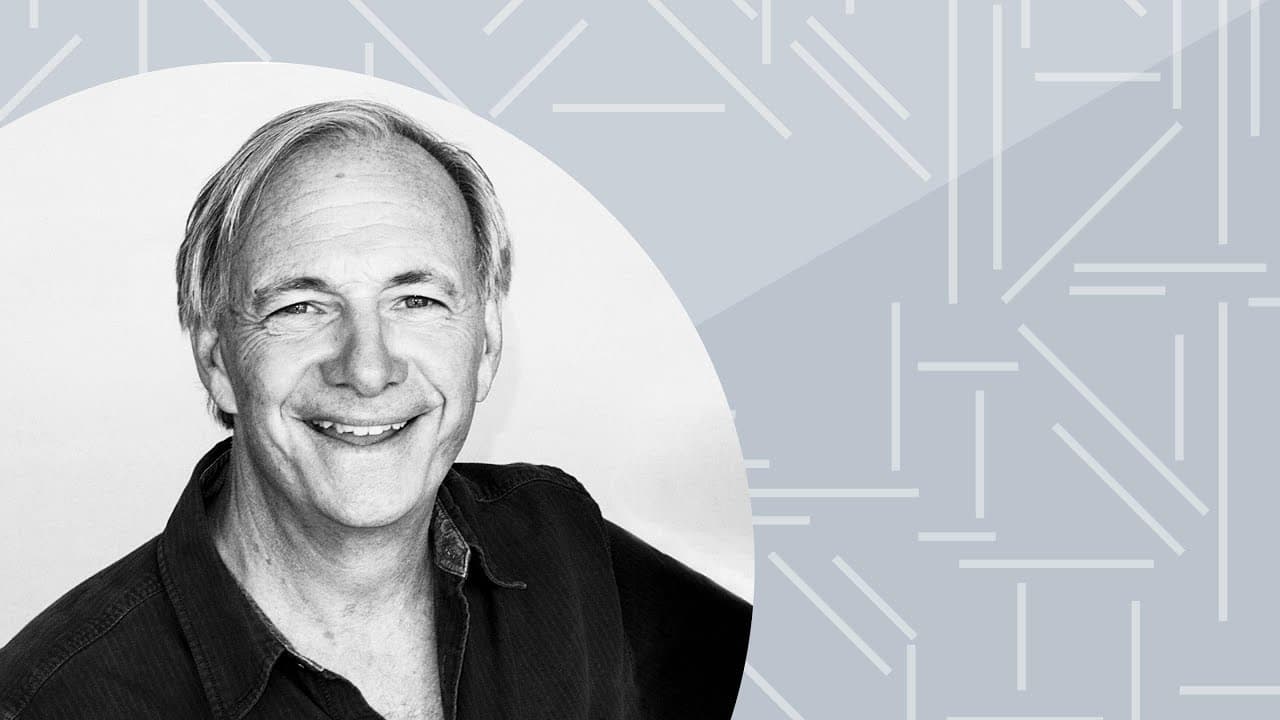
The COVID-19 pandemic is causing significant economic damage comparable to the Great Depression, with income and balance sheet losses affecting many globally. Central banks are heavily producing money and credit to mitigate the fallout, yet inequalities in wealth distribution are growing. Collaborative global efforts will be crucial for recovery, but challenges such as rising nationalism threaten effective cooperation.
Transcript
Transcriber: Ivana Korom Reviewer: Krystian Aparta Corey Hajim: Are you there? Ray Dalio: Hi. CH: Thank you so much for being here, Ray. RD: Do you see me? CH: I see you. You look great. Thank you so much for being here, we really appreciate it. RD: My pleasure. CH: OK, so lay it on us, Ray, how bad is it, how worried should we be? RD: Well, I thin... Read More
Key Insights
- 🌊 The COVID-19 pandemic and social distancing measures have caused significant economic damage, resulting in income loss and balance sheet losses globally. The world is facing a similar situation to the 1930s-1940s, with high levels of debt and unconventional monetary policies being implemented.
- 💰 The production of money and credit is being heavily relied upon to support the economy, with central banks buying government debt and distributing funds to citizens. However, this assistance may not reach all entities, leading to significant gaps and inequalities.
- 🌎 Collaboration and cooperation between countries will be crucial in dealing with the economic fallout from the pandemic. However, rising nationalism and a retreat from globalization present challenges to global cooperation.
- 🧩 The recovery process will require a combination of measures, including spending cuts, debt restructuring, wealth redistribution through taxes, and the printing of money. The key is to strike a balance and ensure that these measures are implemented effectively.
- 🔍 Algorithimic decision-making and technology are playing an increasingly large role in the market, but it is important to have a deep understanding of cause-effect relationships and avoid overreliance on machine learning.
- 📈 To rebuild a fairer economy, reforms will be necessary, particularly in addressing the wealth gap and ensuring equal opportunities for all. This will require a collective effort and a commitment to productive and inclusive policies.
- 👥 The current crisis highlights the importance of low-paid and unskilled workers in society and the need to raise their interests. Philanthropy and cooperation between different stakeholders can make a significant difference.
- 💡 The crisis presents an opportunity for change and a chance to build a more equitable economy. However, it will require thoughtfulness, collaboration, and a rejection of divisive narratives in order to make lasting improvements.
- 🎙️ More videos with Ray Dalio:
Install to Summarize YouTube Videos and Get Transcripts
Explore YouTube Video Summarizer or Get YouTube Transcript Extractor
Questions & Answers
Q: How bad is the current situation and how worried should we be?
Ray Dalio compares the current situation to a tsunami that has hit, with the virus and social distancing causing massive economic consequences. He believes it is a tremendous income hit and balance sheet losses. The production of money and credit is also a significant factor.
Q: Who produces money and credit, and what are the different flavors?
Dalio explains that there are different types of money and credit, such as the US dollar and euro-dollar money and credit. The production of money and credit is done by the government and central banks, such as the Federal Reserve in the US and the European banks.
Q: What is the current situation comparable to in history?
Dalio compares the current situation to the period between 1930 and 1945, during the Great Depression and World War II. He sees similarities in the production of a lot of debt and borrowing by the government, as well as zero interest rates and the production of money and credit.
Q: How confident are you that collaboration can happen during this crisis?
Dalio believes that we are at a defining moment where collaboration and taking care of one another will be crucial. The way people come together and deal with each other, both internally and between countries, will define the outcome. He highlights the importance of collaboration and the greater good.
Q: Do you think we are headed into a global depression?
Yes, Dalio does believe that we are headed into a global depression, but he clarifies that the word "depression" can be evocative and scary. He compares the current situation to the economic fallout of the 1929-1932 period and the response of massive money printing and government programs to revive the economy.
Q: What levers can be used for recovery after a depression?
Dalio explains four levers for recovery after a depression: cutting spending (austerity), debt restructuring or forgiveness, redistribution of wealth through taxes, and the printing of money. He believes that a combination of these measures, along with creativity and innovation, will lead to recovery and rebuilding.
Q: What industries or companies have the best prospects for thriving during the recovery?
Dalio mentions two types of companies that have the best prospects for thriving during the recovery. The first are stable, non-leveraged companies that provide basic goods and services. The second are innovators who can adapt well, have strong balance sheets, and continue to be creative and innovative. These companies will be the winners.
Summary & Key Takeaways
-
Ray Dalio discusses the economic impact of the COVID-19 pandemic, comparing it to a tsunami that has hit the world. He emphasizes the financial implications for individuals and governments, as well as the need for collaboration in addressing the crisis.
-
He highlights the similarities between the current situation and the global economic challenges of the 1930s to 1940s, noting the production of a lot of debt and the role of central banks in buying government debt.
-
Dalio explains the need for wealth distribution and restructuring of the economy, particularly in addressing the wealth gap and improving education and access to basic necessities. He also emphasizes the importance of global cooperation and the risks of retreat from globalization.
Read in Other Languages (beta)
Share This Summary 📚
Summarize YouTube Videos and Get Video Transcripts with 1-Click
Try YouTube Summary with ChatGPT & Claude or YouTube Transcript Generator
Explore More Summaries from TED 📚

Summarize YouTube Videos and Get Video Transcripts with 1-Click
Try YouTube Summary with ChatGPT & Claude or YouTube Transcript Generator