How AsapSCIENCE Built a Weekly Science Channel
TL;DR
AsapSCIENCE grew from a one-year experiment into a full-time science channel by answering viewer questions in clear, engaging weekly videos. Its creators credit classroom observations, audience suggestions, continual experimentation, and the viral success of their scientific hangover cure episode, while acknowledging ongoing challenges such as maintaining quality, adapting illustrations for a book, and separating work from life.
Transcript
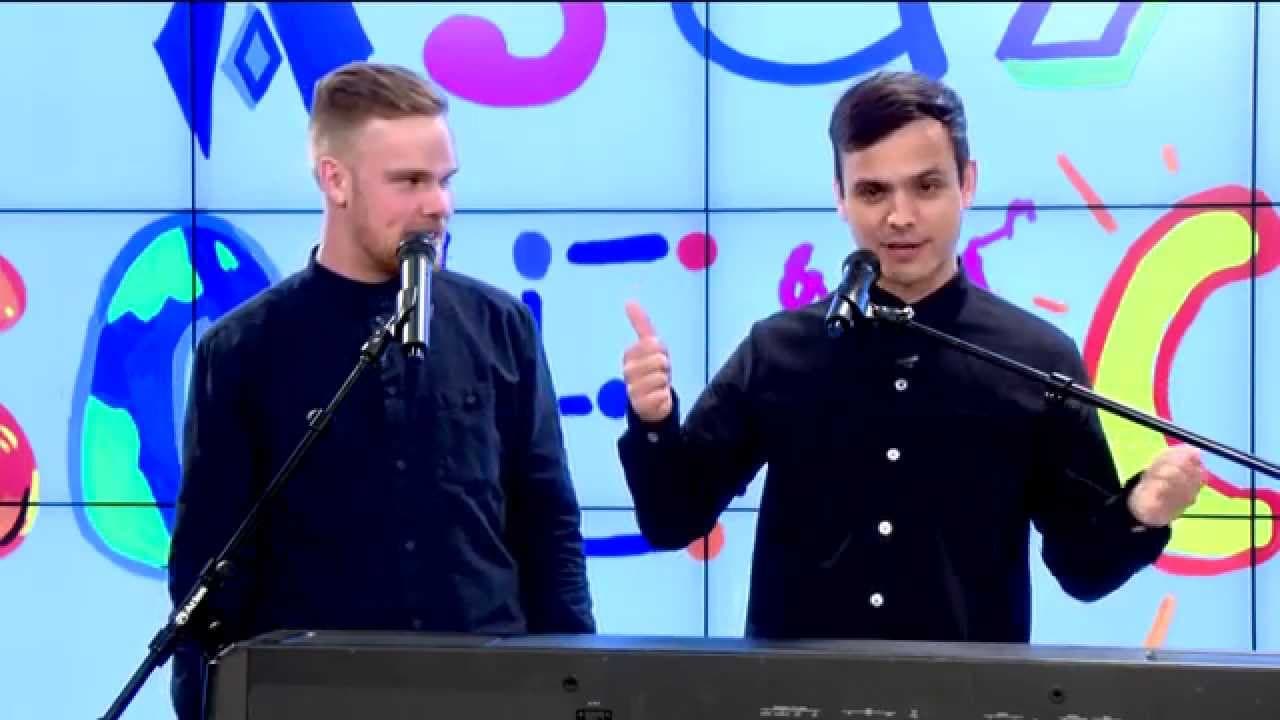
[Applause] and thank you to everybody who's live streaming watching us right now from the comfort of your living room we have a night full of awesome science ahead and are you feeling the love are you feeling the love Mitchell there's lots of love in here I I feel the love but there's something I actually really dislike about love what's that Mitch... Read More
Key Insights
- AsapSCIENCE started as a one-year experiment in producing one science video every week. The creators had recently finished university, felt uncertain about their next steps, and saw YouTube as a way to share the science discussions they had previously directed mainly toward friends and relatives.
- Classroom attention helped inspire the channel because students stopped talking and listened when YouTube content was shown. That observation suggested online video could be an effective teaching format and encouraged the creators to think seriously about combining science education with the platform's growing audience-building possibilities.
- The scientific hangover cure was the first AsapSCIENCE episode to spread widely. Hundreds of new-subscriber notifications initially made the creators think something had broken, but they soon recognized that extensive sharing had carried the video far beyond the audience of their mothers, grandmothers, and other early viewers.
- Internet work creates a persistent work-life balance challenge because the channel and its performance data never truly stop. The creators described difficulty deciding when to stop refreshing pages, disconnect from their work, and pay attention to ordinary experiences outside the online environment.
- Effective educational content requires continual experimentation with how people learn. AsapSCIENCE examined why certain videos performed better than others and developed its approach by studying explanations, thumbnails, titles, audience interests, and the different ways viewers engage with scientific questions.
- A weekly publishing goal provides consistency but can be difficult to maintain precisely. Although the creators originally selected Wednesday as their release day, they shifted toward a more flexible weekly or week-and-a-half rhythm and emphasized the importance of preserving quality over rigid output volume.
- Working with Bill Nye represented an early milestone that once seemed like the channel's defining goal. The creators had joked about ending the project after achieving it, but the collaboration happened relatively early, and their work continued into further videos, a book, and a live public launch.
- Adapting AsapSCIENCE illustrations from video to print required a new visual language. Moving drawings designed for a vertical video format had to become static compositions on horizontal pages, making the book's design process a demanding but rewarding creative challenge for the creators.
Install to Summarize YouTube Videos and Get Transcripts
Explore YouTube Video Summarizer or Get YouTube Transcript Extractor
Questions & Answers
Q: Why did the creators start AsapSCIENCE?
The creators started AsapSCIENCE after university, when they felt uncertain about what to do next. One had attended teachers college and noticed that students became quiet and attentive whenever YouTube was used in the classroom. They had also met creators who were producing strong videos and building audiences, which showed them that science education could work effectively on the platform.
Q: When did AsapSCIENCE become a serious full-time project?
AsapSCIENCE began as a one-year experiment rather than an established full-time plan. The creators committed to making one video each week and watching what happened. As the channel developed an audience, produced widely shared episodes, enabled a collaboration with Bill Nye, and eventually led to a book, the side project grew into sustained work with responsibilities that extended throughout their daily lives.
Q: Which AsapSCIENCE video first went viral?
The scientific hangover cure was the first episode the creators identified as a major viral success. Its subject was immediately applicable to viewers, and it spread through extensive sharing. One creator received hundreds of new-subscriber emails while driving to the other's house and initially thought something had broken before realizing that the video was reaching people far beyond their relatives and friends.
Q: What challenges did the AsapSCIENCE creators face?
The creators faced both production and personal challenges. They had to discover how people learn, determine why some videos worked better than others, and improve elements such as titles and thumbnails. They also struggled with work-life balance because internet work never stops and encourages constant page refreshing. Maintaining a roughly weekly schedule while protecting video quality added another continuing demand.
Q: How does AsapSCIENCE choose topics for its videos?
Viewer suggestions supply inspiration for nearly every AsapSCIENCE episode. The creators save thousands of submitted questions, select favorites, and sometimes use a suggestion directly when it clearly offers a strong topic. Audience input also helps them move beyond their own interests, understand what people around the world want to know, and accommodate different interests and styles of learning.
Q: How often does AsapSCIENCE publish new videos?
The creators originally planned to publish one video every Wednesday, but they quickly found that a fixed weekday was difficult to maintain. They still described their output as weekly, although some episodes could take about a week and a half. Their stated priority was quality over quantity because researching, drawing, and producing educational videos can require substantial time.
Q: Why was creating the AsapSCIENCE book difficult?
Creating the book required the artists to rethink techniques developed for online video. Video drawings were kinetic, vertically arranged, and supported by movement, while book illustrations had to work as static designs across horizontal pages. The creators initially expected the process to be easier, but the unfamiliar layout and design constraints made it a significant creative challenge that they ultimately enjoyed solving.
Q: What did the book allow AsapSCIENCE to do differently?
The book allowed the creators to answer more questions together than their normal production process permitted. A single video could take a long time to produce, even though they had saved thousands of questions and favorite topic ideas from viewers. The print format gave them an opportunity to address many of those questions at once while translating their familiar illustrated approach into a new medium.
Summary & Key Takeaways
-
AsapSCIENCE began after its creators finished university and felt uncertain about their next steps. Classroom experience showed that students became attentive when YouTube appeared, while encounters with established creators revealed the platform's audience-building potential. They committed to publishing one science video each week for one year as an experimental side project.
-
The scientific hangover cure became the channel's first major viral success. A flood of subscriber notifications initially seemed like a technical problem, but the creators soon realized that people were sharing the episode widely. That experience demonstrated how far useful, applicable science content could travel beyond their immediate friends and family members.
-
Channel growth brought creative and personal challenges. The creators studied how audiences respond to titles, thumbnails, explanations, and different learning styles while trying to protect time away from the internet. Producing their book also required translating moving, vertically framed video illustrations into static, horizontal pages and answering more saved audience questions at once.
Read in Other Languages (beta)
Share This Summary 📚
Summarize YouTube Videos and Get Video Transcripts with 1-Click
Try YouTube Summary with ChatGPT & Claude or YouTube Transcript Generator
Explore More Summaries from AsapSCIENCE 📚
Summarize YouTube Videos and Get Video Transcripts with 1-Click
Try YouTube Summary with ChatGPT & Claude or YouTube Transcript Generator