How to Make a Nantucket-Style Lobster Roll
TL;DR
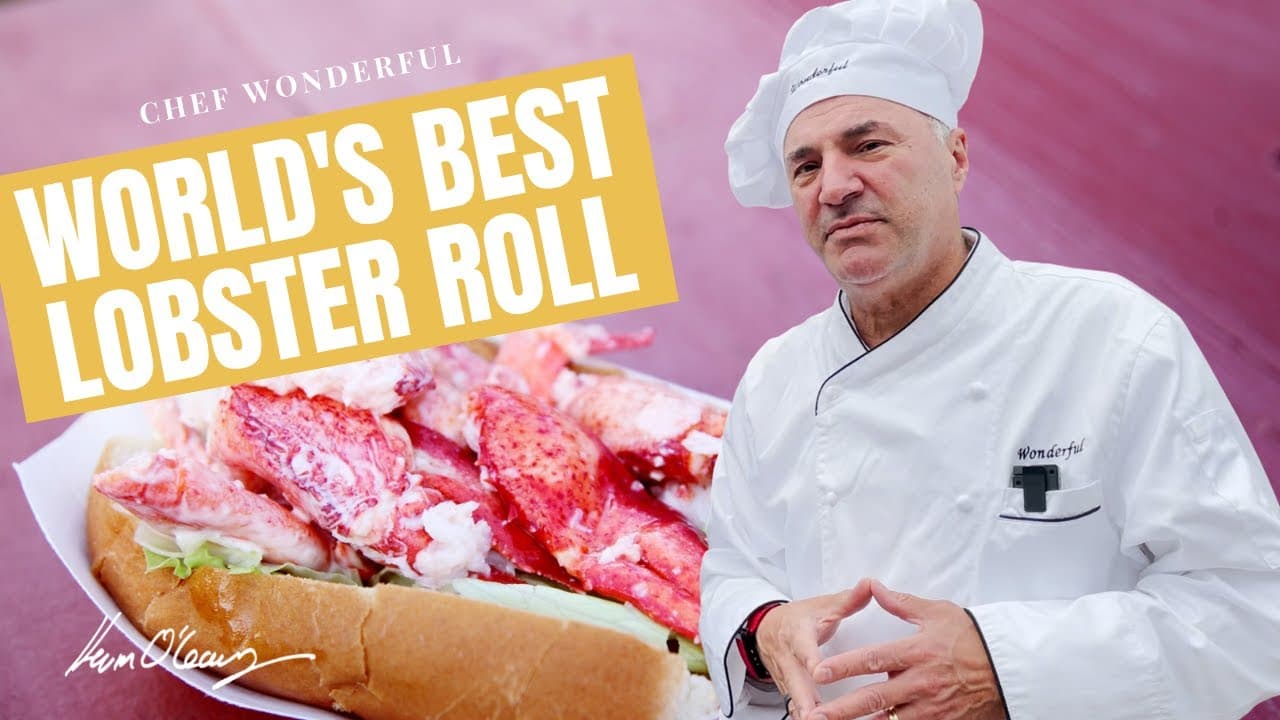
The key to a flavorful lobster roll is chilled, dehydrated lobster meat, restrained mayonnaise, and a stale hot dog bun brushed with melted butter and grilled inside and out. At 167 Raw in Nantucket, the filling also receives finely minced shallot, flat-leaf parsley, fresh lemon juice, and careful seasoning so the lobster remains the dominant flavor.
Transcript
where can you get the best slops on earth right here in nantucket and there's one place you come how long you've been open here 45 years 45 years this is my new gig from now on you're gonna find me here hey chef wonderful here where am i you know i track the world trying to find the very best of everything for you then with ... Read More
Key Insights
- Dehydrating the lobster meat is a critical preparation step because retained water can combine poorly with mayonnaise and weaken the lobster flavor. The cooked meat is cleaned, chilled, and placed in the freezer as part of the effort to remove moisture before the filling is assembled.
- The amount of mayonnaise is deliberately restrained because excessive mayonnaise can dominate the lobster and create an unpleasant result when the meat is still wet. The preparation treats mayonnaise as a supporting ingredient, with the seafood remaining the central flavor of the roll.
- A stale hot dog bun is preferred because it absorbs butter effectively and steams in the middle. The cooks specifically describe using a lower-quality roll near the end of its shelf life, then brushing melted butter across it for even distribution before grilling both surfaces.
- The lobster meat comes from several parts of the shellfish, including the tail, claw, and knuckle. A small section identified as especially flavorful requires considerable work to clean, illustrating why careful extraction matters when preparing a large batch of lobster-roll filling.
- The cooking time shown for the lobsters is 13 minutes, although the cook states that timing depends on weight. The demonstrated batch includes nine two-pound lobsters plus two pounds of claws from Maine, which are processed for lobster rolls after cooking.
- The filling receives fresh flat-leaf parsley, finely minced shallot, and fresh lemon juice. Flat-leaf parsley is selected because the cooks describe it as having more flavor than curly parsley, while the lemon is added sparingly as a light sprinkling rather than an overpowering quantity.
- The seafood menu extends beyond lobster rolls to oysters, halibut ceviche, swordfish, and tuna burgers. The ceviche includes orange, lemon, lime juice, tomato, and cilantro, while the tuna burger is lightly seared on both sides and served with guacamole and pickled red onions.
- The market is presented as a 45-year Nantucket business with a strong local following. Its staff identify swordfish as the best seller and describe it as locally caught 60 miles offshore, although the market obtains it through contracts instead of directly from its back door as it once did.
Install to Summarize YouTube Videos and Get Transcripts
Explore YouTube Video Summarizer or Get YouTube Transcript Extractor
Questions & Answers
Q: How do you keep a lobster roll from becoming watery?
Cooked lobster meat should be cleaned, chilled, and dehydrated before it is mixed with mayonnaise. The preparation at 167 Raw focuses on removing all remaining water, including a freezer step described during the process. Wet lobster combined with too much mayonnaise can taste strange, while drier meat allows the lobster flavor to remain clearer and gives the filling a better-balanced consistency.
Q: How much mayonnaise should go into a lobster roll?
The preparation calls for a restrained amount of mayonnaise rather than a heavy coating. The cooks identify excessive mayonnaise as one of the most common lobster-roll mistakes, particularly when the lobster meat has not been dehydrated. Mayonnaise should support the filling without masking the seafood, so moisture removal and moderation are treated as connected parts of achieving the desired result.
Q: Why is a stale bun used for a lobster roll?
A stale hot dog bun is used because it can absorb the melted butter and steam in the middle. The cooks specifically prefer a lower-quality bun near the end of its shelf life for this purpose. They butter the bun inside and outside, using melted butter to obtain even distribution, and then grill both surfaces as part of the final preparation.
Q: What ingredients are added to the lobster-roll filling?
The demonstrated filling combines dehydrated lobster meat with a restrained amount of mayonnaise, finely minced shallot, fresh flat-leaf parsley, fresh lemon juice, and seasoning. The lemon is added as a light sprinkling rather than in a large quantity. The exact emphasis is on protecting the lobster flavor, so the supporting ingredients are incorporated carefully instead of overwhelming the meat.
Q: Which parts of a lobster are used in a lobster roll?
The cooks remove meat from the lobster tail, claw, and knuckle. They also highlight a small section that they consider especially good but labor-intensive to clean, noting that many people skip it because extracting the meat requires extra effort. Thoroughly working through these sections helps recover more usable lobster before the meat is cleaned, dehydrated, and prepared for the rolls.
Q: How long are the lobsters cooked for the demonstrated rolls?
The lobsters shown at 167 Raw are steamed for 13 minutes. The cook also states that cooking time depends on the lobster's weight, so the stated time belongs to the demonstrated preparation rather than being presented as a rule for every lobster. The batch later used for rolls includes nine two-pound lobsters and two pounds of claws from Maine.
Q: What other seafood dishes are served at 167 Raw?
The visit features freshly shucked oysters, halibut ceviche, a tuna burger, swordfish, and lobster rolls. The ceviche contains orange, lemon, lime juice, tomato, and cilantro, and it is served with house-made tortilla chips. The tuna burger is lightly seared on both sides and paired with guacamole and pickled red onions. Staff identify swordfish as the market's best seller.
Q: What makes the Nantucket lobster-roll method distinctive?
The method combines careful meat extraction, chilling and dehydration, restrained mayonnaise, and a stale buttered bun. The cooks remove meat from the tail, claw, knuckle, and harder-to-clean sections, then eliminate moisture before mixing the filling. Finely minced shallot, flat-leaf parsley, lemon juice, and seasoning add flavor, while the buttered bun is grilled inside and outside for texture.
Summary & Key Takeaways
-
Chef Wonderful visits 167 Raw Fish Market in Nantucket, presented as a seafood business that has operated for 45 years. The visit covers the market, its lobster preparation, and several dishes served on-site, including fresh oysters, halibut ceviche with house-made tortilla chips, and a lightly seared tuna burger with guacamole and pickled red onions.
-
The lobster-roll preparation begins with nine two-pound lobsters and two pounds of claws from Maine. After cooking, the team removes meat from the tails, claws, knuckles, and small sections that require extra effort. The extracted meat is then cleaned, chilled, and dehydrated to prevent unwanted water from diluting the flavor and mayonnaise.
-
The finished approach emphasizes balance and texture. The cooks use a restrained amount of mayonnaise, finely minced shallot, flat-leaf parsley, fresh lemon juice, and seasoning. Stale, lower-quality hot dog rolls are selected for their absorbency, brushed evenly with melted butter, and grilled inside and outside. Plain and salt-and-vinegar potato chips accompany the rolls.
Read in Other Languages (beta)
Share This Summary 📚
Summarize YouTube Videos and Get Video Transcripts with 1-Click
Try YouTube Summary with ChatGPT & Claude or YouTube Transcript Generator
Explore More Summaries from Kevin O'Leary 📚




Summarize YouTube Videos and Get Video Transcripts with 1-Click
Try YouTube Summary with ChatGPT & Claude or YouTube Transcript Generator