Street Homelessness, Mental Illness, and Drug Addiction
TL;DR
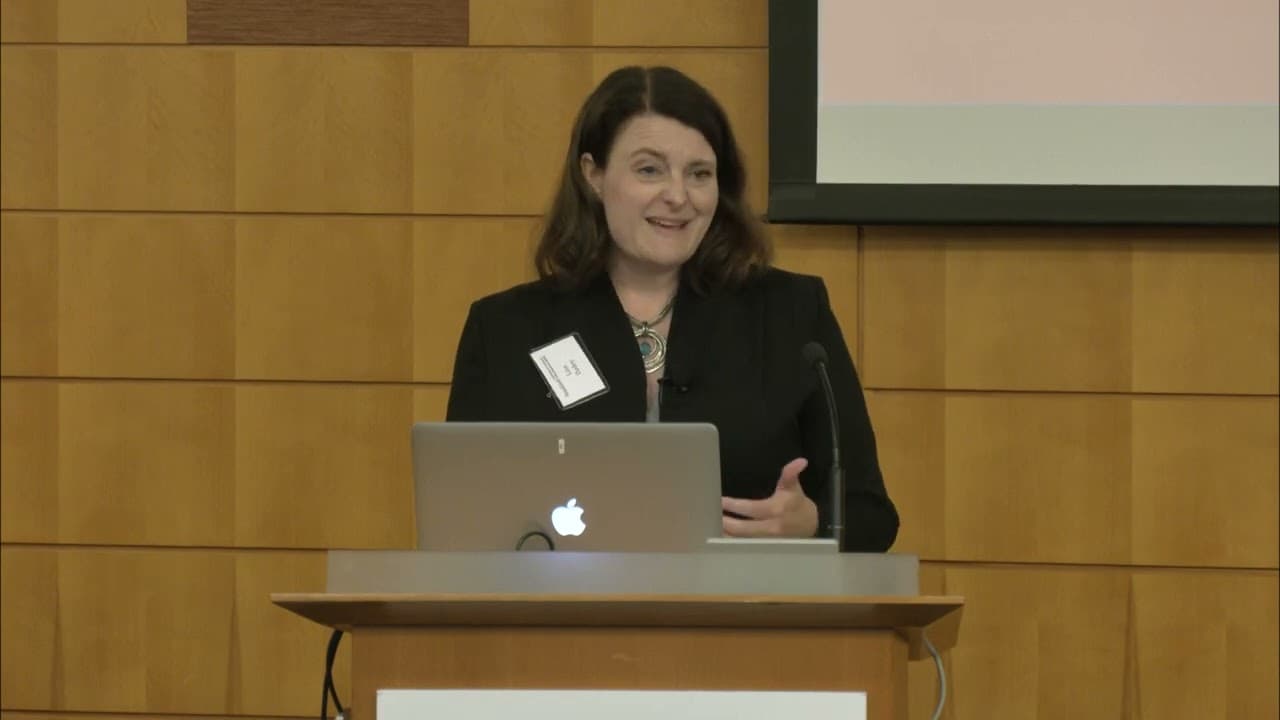
Addressing street homelessness linked with mental illness and drug addiction requires collaboration and fewer barriers to timely, effective care. Moderated by Jalu Streeter, the panel brings together psychiatry, treatment advocacy, and policy perspectives, including a focus on unsheltered people experiencing psychosis and severe mental illness. Read on for the panel’s discussion of Care Courts, self-reporting limits, systemic bias, and potential partnerships.
Transcript
this next session the title of this next session is uh street homelessness mental illness and drug addiction and it is going to be moderated by the person who sort of start to finish organized brainstormed and is the locomotive behind today and for that i would like if we could all just join me giving a little shout out to my colleague jalu who the... Read More
Key Insights
- ❓ Collaborative efforts are crucial to address multifaceted issues of homelessness, mental illness, and addiction.
- 😨 Prioritizing access to care, penalties for non-compliance, and systemic changes are essential for effective interventions.
- 🖐️ Cultural context and historical legacies, including racism, play a significant role in shaping healthcare outcomes.
Install to Summarize YouTube Videos and Get Transcripts
Explore YouTube Video Summarizer or Get YouTube Transcript Extractor
Questions & Answers
Q: How can street homelessness, mental illness, and drug addiction be addressed together?
The discussion calls for collaboration among nonprofit, government, practitioner, academic, journalism, and research communities. It also emphasizes timely access to psychiatric and addiction care, enforcement of laws, and broader systemic changes.
Q: What is the panel’s main focus?
The panel focuses specifically on mental illness and drug addiction among unsheltered homeless people. Its participants examine the problem through psychiatry, treatment advocacy, and public-policy perspectives.
Q: Who moderates the panel on street homelessness, mental illness, and drug addiction?
Jalu Streeter moderates the panel. She is CPR’s director of partnerships and a research scholar whose work includes the mental well-being of older adults.
Q: Who are the panelists and what expertise do they bring?
The panel includes Dr. Anna Lembke, a Stanford psychiatry professor and clinician; Lisa Dailey, executive director of the Treatment Advocacy Center; and Michael Shellenberger, founder and president of Environmental Progress. Their backgrounds span addiction, severe mental illness, nonprofit advocacy, and policy.
Q: What barriers does the Treatment Advocacy Center seek to eliminate?
The organization seeks to eliminate barriers to timely and effective treatment for people with severe mental illness. Its focus includes schizophrenia, schizoaffective disorder, severe bipolar disorder, and other illnesses involving psychosis.
Q: How does self-reporting affect estimates of mental illness and addiction among unsheltered people?
Self-reporting can be affected by stigma, legal implications, and a lack of insight. These factors make it difficult to determine accurate rates of mental illness and addiction among the unsheltered homeless population.
Q: What are the key components of Care Courts discussed on the page?
Care Courts prioritize people with psychosis and permit direct access to courts to begin the care process. They also include penalties for counties that fail to provide necessary services.
Q: How does the history of racism intersect with proposed mental-health and addiction interventions?
The discussion identifies racism and systemic bias as factors that can shape healthcare outcomes and the effectiveness of interventions. It therefore calls for attention to cultural context and equitable access to care for vulnerable populations.
Summary & Key Takeaways
-
Panel discussion led by Jalu Streeter on street homelessness, mental illness, and drug addiction, highlighting the need for collaborative efforts.
-
Introductions of panel participants focusing on expertise in psychiatry, addiction treatment, and policy advocacy.
-
Calls for a statewide psychiatric and addiction care system, enforcement of laws, and systemic changes to address evolving challenges.
Read in Other Languages (beta)
Share This Summary 📚
Summarize YouTube Videos and Get Video Transcripts with 1-Click
Try YouTube Summary with ChatGPT & Claude or YouTube Transcript Generator
Explore More Summaries from Stanford Institute for Economic Policy Research (SIEPR) 📚






Summarize YouTube Videos and Get Video Transcripts with 1-Click
Try YouTube Summary with ChatGPT & Claude or YouTube Transcript Generator