3 Gadgets That Were Ahead of Their Time: Google Glass, Samsung Galaxy Camera & Vine
TL;DR
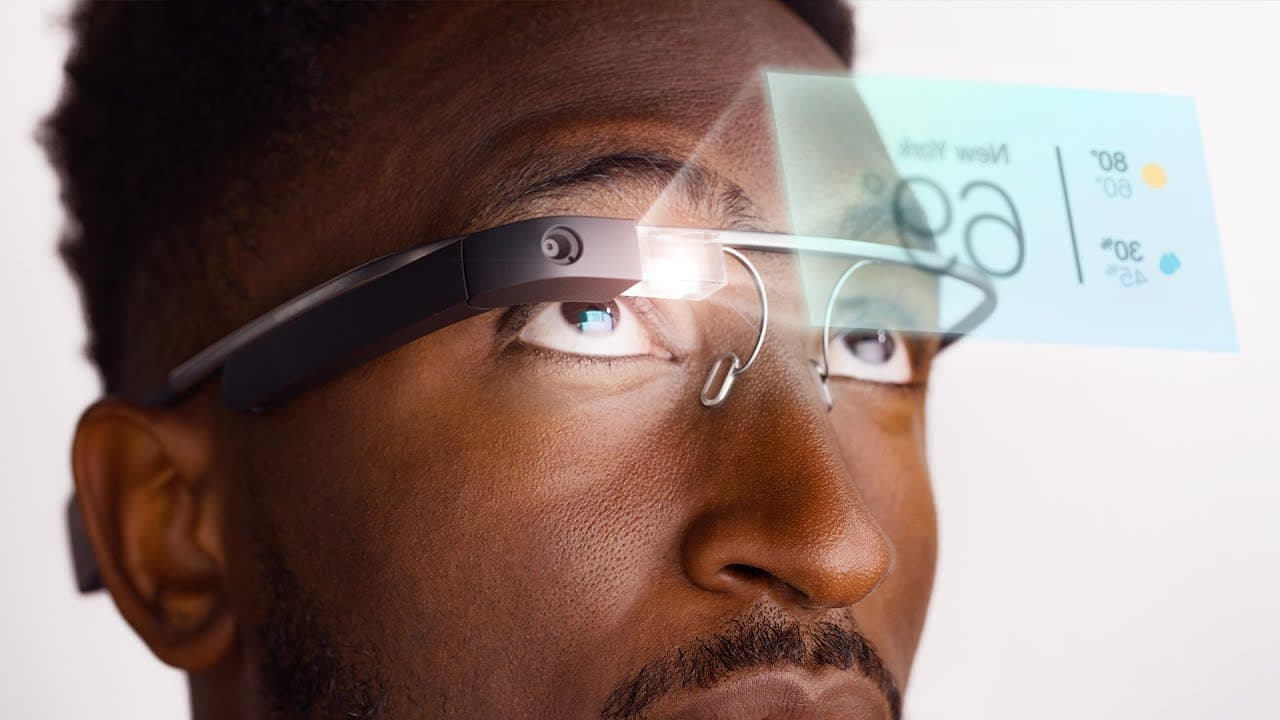
Google Glass, the Samsung Galaxy Camera, and Vine were genuinely innovative but failed because the world wasn't ready for them. Google Glass launched in 2013 at $1,500 with turn-by-turn AR navigation, yet was rejected over privacy fears, while Vine pioneered short-form vertical video before dying in 2016, years ahead of TikTok. Read on to see how timing and public perception, not the technology itself, decided each gadget's fate.
Transcript
i tweeted this recently just thinking about how vine was the home of short form vertical videos before it died in 2016. and now in 2022 tiktok has been the most downloaded app on the planet for like the last 12 straight months in a row and short form vertical videos are blowing up and i could reach no other conclusion than vine was ahead of its tim... Read More
Key Insights
- 😮 Vine pioneered short-form vertical videos before the rise of TikTok.
- 😀 Google Glass introduced AR capabilities but faced privacy concerns and public rejection.
- 📱 The Samsung Galaxy Camera integrated a camera with a smartphone but failed due to image quality issues.
- 💻 The Motorola Atrix aimed to revolutionize computing with smartphone-powered laptop experiences.
- 😀 Innovation does not always guarantee success, as seen in the challenges faced by these ahead-of-their-time gadgets.
- 🇨🇫 Public perception, market readiness, and technological limitations can significantly impact the success of innovative products.
- 🛟 The legacy of these gadgets serves as a reminder of how timing and ecosystem support are crucial for technological advancements.
Install to Summarize YouTube Videos and Get Transcripts
Explore YouTube Video Summarizer or Get YouTube Transcript Extractor
Questions & Answers
Q: Why is Vine considered a product that was ahead of its time?
Vine was the home of short-form vertical videos before it died in 2016. In 2022, TikTok became the most downloaded app on the planet for roughly 12 straight months using that same short-form vertical format, which is why the creator concludes Vine simply arrived too early.
Q: Why did Google Glass fail to gain public acceptance?
People in 2013 were not ready for someone wearing a camera and computer on their face, and Glass had no visual indicator that it was recording. Wearers got kicked out of movie theaters over recording fears and one driver was ticketed, and using it looked unnatural, so the public rejected it and Google killed the consumer version.
Q: How much did Google Glass cost and when was it released?
Google Glass was revealed in 2013 and cost $1,500. Google sold a limited Explorer Edition to test the head-mounted projection display in real life, which offered turn-by-turn Google Maps navigation, voice questions to Google Assistant, and phone notifications.
Q: Does Google Glass still exist today?
Yes. While the consumer version was discontinued, Glass lives on as Google Glass Enterprise Edition 2, which you can buy for your company. It's used for tasks like live video and giving step-by-step assembly instructions, where it doesn't need to look like everyday glasses.
Q: What was the Samsung Galaxy Camera and what could it do?
Released in 2012, the Samsung Galaxy Camera was essentially a mirrorless camera with a Galaxy S3 on the back. It had a 16-megapixel sensor, a 21x optical zoom lens, a quad-core chip, 1GB of RAM, onboard storage, and ran Android 4.1. The main thing it lacked was a cellular radio to make phone calls.
Q: What electric car was ahead of its time before Tesla?
The GM EV1, from the 1990s, was a little two-door electric coupe with a 55-mile range. It sold fewer than 2,000 units before being discontinued, removed from the road, and crushed. It's largely forgotten today even though EVs are now on the rise.
Q: Are camera glasses making a comeback after Google Glass?
Yes. By 2022, head-mounted AR and VR are back on the horizon: Snapchat made multiple versions of its Spectacles, Facebook partnered with Ray-Ban on sunglasses that record video and photos, Apple has a long-rumored headset, and Google showed AR glasses focused on live translation. The video argues Google Glass walked so these could run.
Q: What do these gadgets teach about innovation and timing?
They show that being innovative doesn't guarantee success. Vine, Google Glass, and the Samsung Galaxy Camera all failed largely because of public readiness, market limitations, and privacy perception rather than a lack of ideas, proving that timing and ecosystem support are crucial for technology to take off.
Summary & Key Takeaways
-
Vine pioneered short-form vertical videos before TikTok's success.
-
Google Glass offered AR capabilities but faced public rejection due to privacy concerns.
-
Samsung Galaxy Camera combined a camera with a smartphone UI, but poor image quality led to its failure.
Read in Other Languages (beta)
Share This Summary 📚
Summarize YouTube Videos and Get Video Transcripts with 1-Click
Try YouTube Summary with ChatGPT & Claude or YouTube Transcript Generator
Explore More Summaries from Marques Brownlee 📚
Summarize YouTube Videos and Get Video Transcripts with 1-Click
Try YouTube Summary with ChatGPT & Claude or YouTube Transcript Generator