Why Move from Canada to Live Part-Time in Asia?
TL;DR
Moving from Canada to Asia gave Ray a practical way to reconnect with family, escape a repetitive lifestyle, and use his time and money while health still allowed. He plans to spend about half of each year in Asia, return to Canada during summer, strengthen family ties, improve his health, work from Kuala Lumpur, and pursue experiences he previously postponed.
Transcript
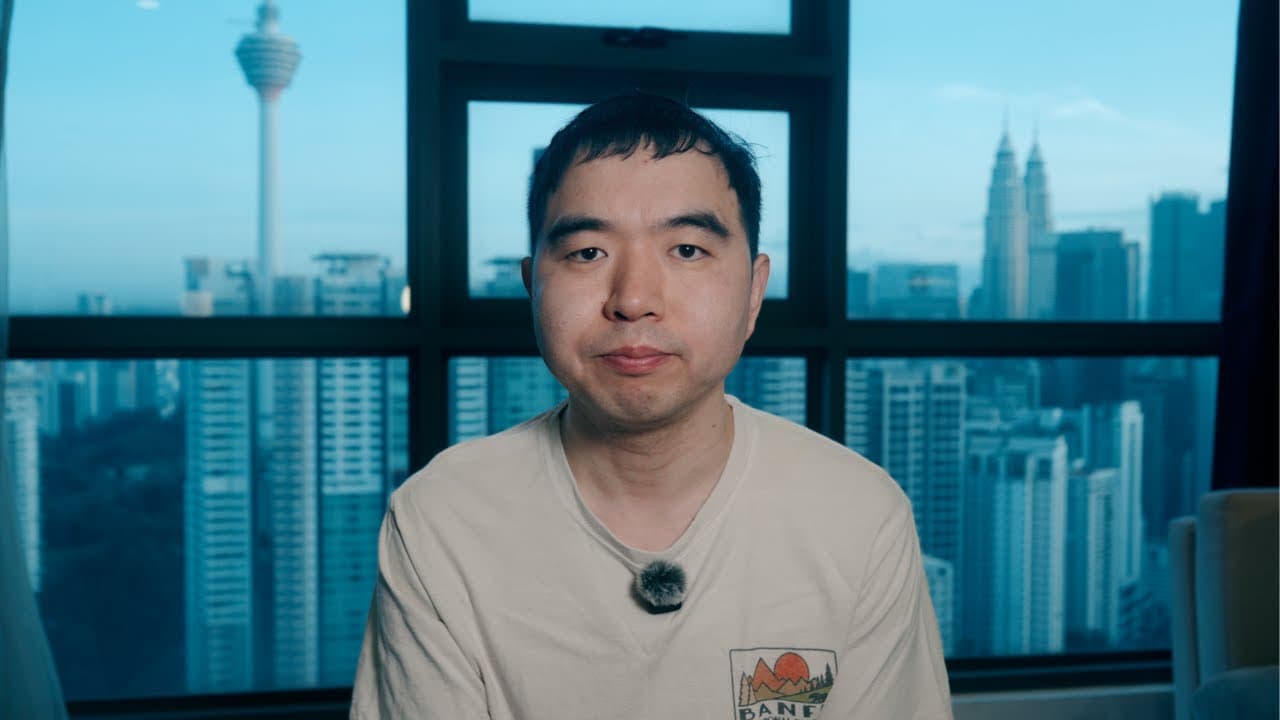
Hello everyone, I’m Ray. Old viewers might notice that this background differs from my previous home in Canada. Yes, as I record this video, my family and I have been away from Canada for almost three months. We’ve relocated to Asia. (It's...) (Quite a complicated feeling) I’m currently in Kuala Lumpur, Malaysia. Outside my window are its two iconi... Read More
Key Insights
- Relocation is Ray’s most direct method for changing a life that feels trapped. After nine years in Calgary, limited social contact, online work, and repetitive routines left him severely disconnected from everyday reality, while pandemic restrictions delayed a lifestyle change he had already considered.
- Moving has shaped Ray’s life since he was nine years old. His family left the countryside after a family dispute and settled at the state-owned coal mine where his father worked, a decision his mother still describes as the family’s best choice.
- The coal mine compound functioned like a small city with schools, a hospital, buses, a television station, and its own communication system. Growing up there helped Ray and his siblings reach city high schools, universities in larger cities, and, in Ray’s case, Canada.
- Lily’s age and medical needs complicated the family’s departure from Canada. The 15-year-old dog has dementia and cannot eat or drink independently, while a previous foster-care experience ended with neglect and the loss of sight in one eye.
- Transporting Lily required an indirect and expensive journey. Airline rules prevented departure from Calgary, so the family traveled with a moving company for more than ten hours to Vancouver, then took a direct 12-hour flight to Beijing with Lily in a locked transport box.
- The “Die with Zero” idea encouraged Ray to use resources when they can create the most value. After a heart attack the previous June, he concluded that delaying spending, helping others, travel, or meaningful experiences could cause people to miss the best time for them.
- Reconnecting with family is Ray’s first priority for reclaiming his life. After more than ten years abroad and 14 years without celebrating Chinese New Year in China, he wanted to become an active presence again instead of remaining an image on video calls.
- Ray’s future plan is to spend about half of every year in Asia and return to Canada mainly during summer. He is renovating a place in Tianjin, working temporarily from Kuala Lumpur, meeting community members, and planning visits to Singapore, Taipei, Tokyo, and Shanghai.
Install to Summarize YouTube Videos and Get Transcripts
Explore YouTube Video Summarizer or Get YouTube Transcript Extractor
Questions & Answers
Q: Why did Ray leave Canada and relocate to Asia?
Ray left because nine years in Calgary had made his life feel repetitive and confined. He worked largely online, rarely went out for work, had few friends, and seldom socialized, which left him disconnected from reality. He also wanted to reconnect with family, avoid Canada’s long winters, use his time and money more meaningfully, improve his health, and pursue postponed experiences while he still could.
Q: How did Ray’s childhood influence his decision to move?
Ray first moved at age nine after a family dispute forced his family to leave the countryside. They relocated to the state-owned coal mine where his father worked, and that move changed the prospects of all three children. His mother’s saying, “A tree dies when moved, but a person thrives,” remained deeply embedded in his thinking and made relocation feel like a natural response to stagnation.
Q: Why did Ray feel trapped during his years in Calgary?
Ray spent nine years in Calgary, the longest he had ever remained in one city. He mostly lived within his own world, rarely left home for work, maintained few friendships, and socialized infrequently. Because much of his career also existed online, he felt severely detached from everyday reality and caught in a repetitive cycle. Three years of pandemic restrictions further delayed the lifestyle change he wanted.
Q: How did Ray transport his elderly dog from Canada to China?
Airline pet-transport rules prevented Ray’s family from flying with Lily directly from Calgary. They paid to travel with a moving company for more than ten hours to a friend’s home in Vancouver, then boarded a direct 12-hour flight to Beijing. After landing, Lily initially did not respond inside her required locked box, but she moved when Ray gently poked her with a pen.
Q: Why did Ray refuse to leave Lily with a pet sitter?
Lily was 15 years old, had dementia, and could no longer eat or drink independently, so she required dependable long-term care. Ray’s family also had a serious reason to distrust temporary foster arrangements. During a previous stay in foster care, neglect caused Lily to lose sight in one eye. After months of hesitation and planning, they decided to take her permanently to Ray’s parents in China.
Q: How did “Die with Zero” change Ray’s priorities?
The book helped Ray conclude that money and other resources should be used when they can provide the greatest benefit, rather than being postponed until retirement, left only as an inheritance, or reduced to a final number. Following a heart attack the previous June, he wanted to turn long-held intentions into reality by spending time with family, supporting his health, meeting people, traveling, and creating memories.
Q: What does Ray mean by redeeming his life?
For Ray, redeeming life means acting on meaningful goals before time, health, or opportunity disappear. His priorities include reentering his parents’ and relatives’ daily lives, creating new family memories, becoming healthier through activities such as the community running program, meeting people he cares about, and experiencing different ways of living. He tests choices by asking whether they restore the life he wants or force him into unwanted obligations.
Q: What are Ray’s plans for living between Asia and Canada?
Ray plans to spend about half of each year in Asia, participate more frequently in family life, and avoid Canada’s long winters. He expects to return to Canada mainly during summer. He is also renovating an old place in Tianjin as a base near relatives. From Kuala Lumpur, where he planned to stay for more than 40 days, he intended to work, meet community members, and then visit Singapore, Taipei, Tokyo, and Shanghai.
Summary & Key Takeaways
-
Ray left Calgary after nine years because his isolated, internet-centered routine made him feel trapped and disconnected from reality. Moving had repeatedly transformed his life since childhood, so relocation felt like the most direct way to break the cycle that had intensified during three years of pandemic restrictions.
-
Transporting Lily, his 15-year-old dog with dementia, made the departure difficult. Airline rules required the family to travel more than ten hours from Calgary to Vancouver before flying directly to Beijing. After landing, they anxiously checked Lily’s locked transport box and felt immense relief when she moved.
-
A heart attack and the book “Die with Zero” encouraged Ray to stop postponing meaningful uses of time and money. His plans include spending about half the year in Asia, reconnecting with relatives, building a family base in Tianjin, improving his health, visiting important people, and experiencing different ways of life.
Read in Other Languages (beta)
Share This Summary 📚
Summarize YouTube Videos and Get Video Transcripts with 1-Click
Try YouTube Summary with ChatGPT & Claude or YouTube Transcript Generator
Explore More Summaries from 一口新飯 📚


Summarize YouTube Videos and Get Video Transcripts with 1-Click
Try YouTube Summary with ChatGPT & Claude or YouTube Transcript Generator