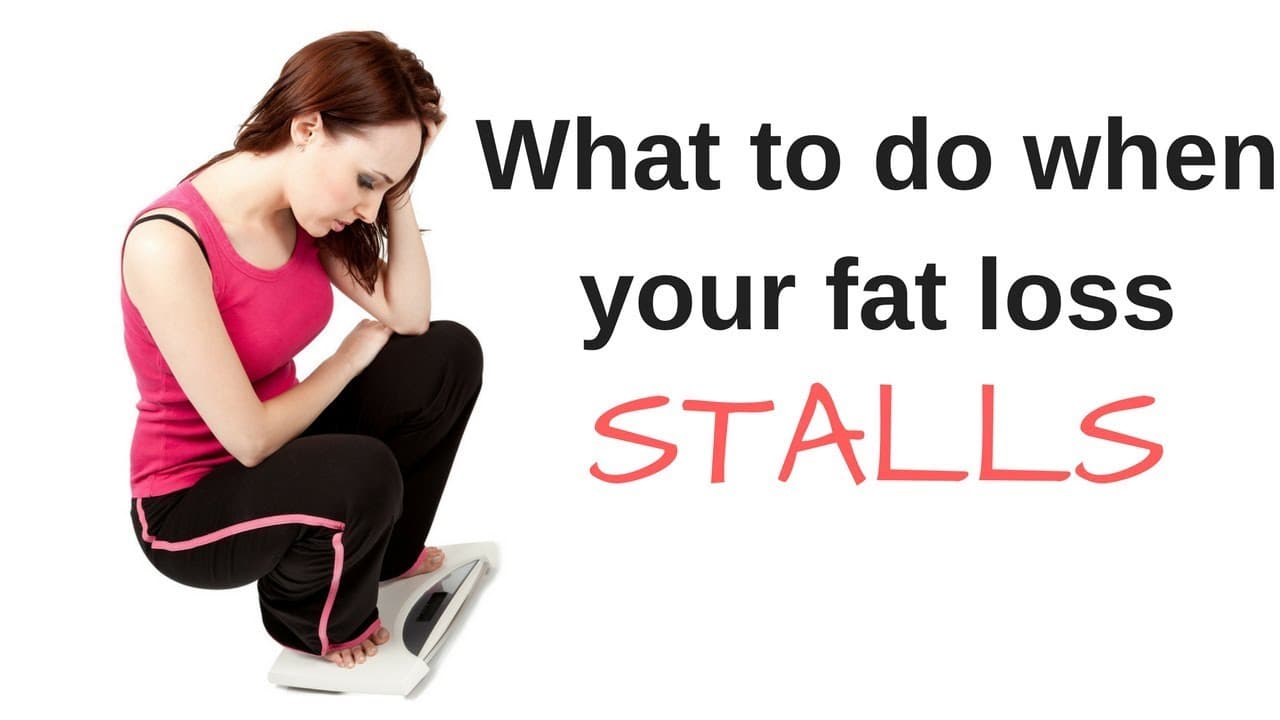
What Should You Do When Your Fat Loss Stalls?
TL;DR
When fat loss stalls, first assess if you're accurately tracking your calorie intake, as miscounts can obscure progress. Understand that fluctuations are normal due to factors like water retention, meal timing, and muscle gain. Evaluate whether stress, represented by elevated cortisol levels, is affecting your weight, and consider implementing refeed days if needed for better results.
Transcript
what's up guys around here at roadway training sometimes we're on a fat loss diet we might think that we've had a fat loss style when we really have it and in today's video we're gonna talk about the difference between these false fat loss stalls and actual fat loss stalls and how to fix them so that we can get back to watching the weight fall righ... Read More
Key Insights
- 👨 Fat loss is a non-linear process with fluctuations on the scale.
- 😋 Factors like fluid intake, sodium intake, meal timing, and food volume can impact daily scale readings.
- 💪 False fat loss plateaus can be caused by elevated cortisol levels, muscle gain, and calorie miscounts.
- 👨 Addressing calorie miscounts, such as weekend binging and bad measuring, is crucial for successful fat loss.
- 👨 Monitoring progress through waist measurements and progress pictures can provide a more accurate assessment of fat loss.
- 👨 Understanding the difference between false plateaus and actual plateaus is essential for adjusting one's fat loss approach.
- 👨 Daily fluctuations in scale weight are normal and not necessarily indicative of a fat loss stall.
Install to Summarize YouTube Videos and Get Transcripts
Explore YouTube Video Summarizer or Get YouTube Transcript Extractor
Questions & Answers
Q: What are some common factors that can lead to fluctuations in daily scale readings?
Factors such as inconsistent fluid intake, sodium intake, meal timing, and food volume can all contribute to daily scale fluctuations.
Q: How can elevated cortisol levels affect fat loss progress?
Elevated cortisol levels from stress can lead to false fat loss plateaus, which can be addressed by incorporating refeed days with higher carbs.
Q: Why might muscle gain lead to a perceived fat loss stall?
Resistance training can result in muscle gain, which can mask fat loss progress on the scale due to the weight of muscle.
Q: How can calorie miscounts hinder fat loss efforts?
Guessing, weekend binging, eating out frequently, bite stealing, forgetting to log, and bad measuring can all lead to consuming more calories than intended, hindering fat loss progress.
Summary & Key Takeaways
-
Fat loss is not a linear process with consistent scale decreases, fluctuations are common.
-
Factors like fluid intake, sodium intake, meal timing, and food volume can affect daily scale readings.
-
False fat loss plateaus can be attributed to elevated cortisol levels, muscle gain, and calorie miscounts.
Read in Other Languages (beta)
Share This Summary 📚
Summarize YouTube Videos and Get Video Transcripts with 1-Click
Try YouTube Summary with ChatGPT & Claude or YouTube Transcript Generator
Explore More Summaries from Ryan Treadaway 📚


Summarize YouTube Videos and Get Video Transcripts with 1-Click
Try YouTube Summary with ChatGPT & Claude or YouTube Transcript Generator